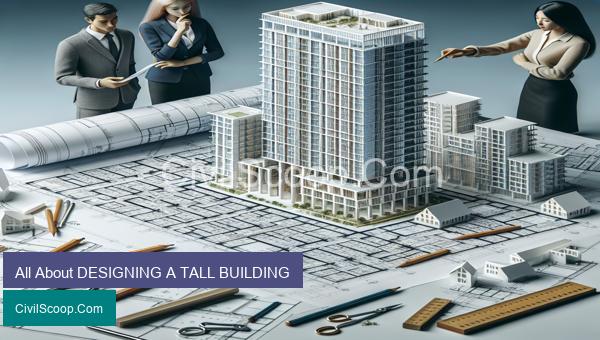
Designing a tall building requires a combination of creative vision, careful planning, and technical expertise. From towering skyscrapers in urban landscapes to iconic structures in iconic locations, the process of designing a tall building is a complex and multifaceted one. In this article, we will explore the key elements involved in designing a tall building, from conceptualization to construction. We will delve into the challenges, considerations, and innovations that go into creating these architectural giants, and gain an understanding of the unique considerations that must be taken into account in order to successfully bring such structures to life. Whether you are a curious architecture enthusiast or a budding designer yourself, this article will provide valuable insights into the fascinating world of designing a tall building.
Table of Contents
PROBLEMS IN DESIGNING A TALL BUILDING
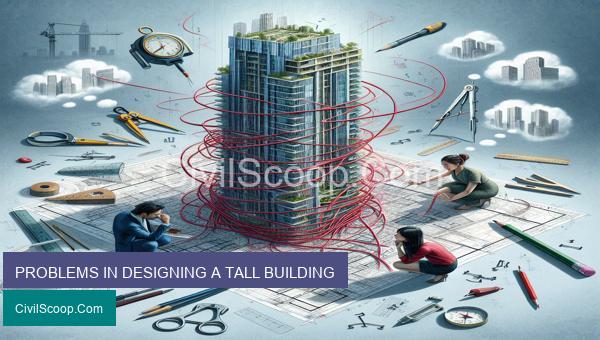
Designing a tall building is a complex and challenging task that involves many factors and considerations. While these iconic structures are symbols of human ingenuity and progress, they also pose significant challenges and difficulties in the design process. Some of the major problems in designing a tall building are structural stability, wind and seismic forces, vertical transportation, and sustainability concerns.
Structural Stability:
One of the primary concerns in designing a tall building is ensuring its structural stability. The taller a building is, the more it is subjected to various stresses and forces, such as wind, seismic activity, and its self-weight. These forces can cause excessive vibration, sway, and even collapse if not adequately addressed in the design. Factors such as building materials, foundation design, and construction methods must be carefully chosen and implemented to ensure the building’s stability.
Wind and Seismic Forces:
Tall buildings are particularly vulnerable to wind forces due to their height and slender profile. These forces can cause significant lateral movement, which can lead to structural instability and discomfort for occupants. Additionally, buildings that are located in seismic zones need to be designed to withstand earthquakes and ground movements. Engineers must consider these external forces and design the structure to resist them effectively.
Vertical Transportation:
The increasing height of a building directly impacts its vertical transportation systems. The taller a building is, the longer it takes for occupants to reach their destinations, causing delays and inconvenience. Efficient elevator systems are necessary for tall buildings to facilitate smooth and timely transportation of people and goods. The complexity and cost of these systems increase significantly for taller buildings, and engineers must carefully design them to meet the building’s requirements.
Sustainability Concerns:
The environmental impact of tall buildings is a significant concern in the design process. As these structures require a considerable amount of energy and resources to construct and operate, designers must consider sustainable design options to minimize their environmental impact. This includes incorporating green technologies, such as solar panels, efficient ventilation systems, and rainwater harvesting, into the building’s design.
Cost and Constructability:
Building a tall structure is an expensive endeavor, and its complexity increases with its height. The cost of materials, labor, and construction methods must be carefully considered in the design process to ensure that the building can be constructed within the budget constraints. Engineers must also consider the constructability of the design, as building tall structures often require specialized and advanced construction techniques, which can add to the project’s complexity and cost.
In conclusion, designing a tall building involves many challenges, including structural stability, wind and seismic forces, vertical transportation, sustainability concerns, cost, and constructability. Engineers must carefully consider these factors to ensure the safety, functionality, and sustainability of these iconic structures. Advances in technology and materials have allowed us to build taller and more innovative buildings, but designers must continue to address the challenges that come with these architectural achievements.
Conclusion
In conclusion, designing a tall building requires extensive planning, creativity, and innovation. It involves considering various factors such as structural integrity, functionality, and aesthetic appeal. Through the use of advanced technology and sustainable practices, architects and designers are able to push the limits of what is possible in constructing skyscrapers. However, as cities continue to grow and populations increase, the demand for tall buildings will also continue to rise. Thus, it is crucial for architects and designers to prioritize the safety and sustainability of these structures to ensure their longevity. By combining practicality with artistic vision, the future of skyscrapers is undoubtedly promising. With each new tall building, we are presented with a beautifully designed symbol of human progress and ingenuity.