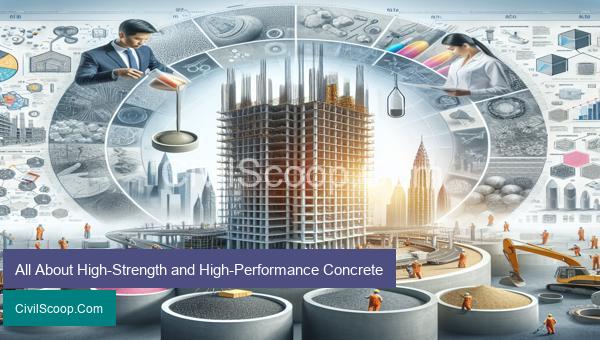
High-strength and high-performance concrete are advanced materials that have revolutionized the world of construction. These innovative materials offer superior strength, durability, and versatility, making them ideal for a wide range of applications. From skyscrapers to bridges, from nuclear power plants to dams, high-strength and high-performance concrete have become the go-to choice for engineers and architects alike. In this article, we will explore the key characteristics, benefits, and applications of these remarkable materials, shedding light on what makes them so special and why they have become an indispensable part of modern construction.
Table of Contents
What are the Differences Between High-Strength and High-Performance Concrete?
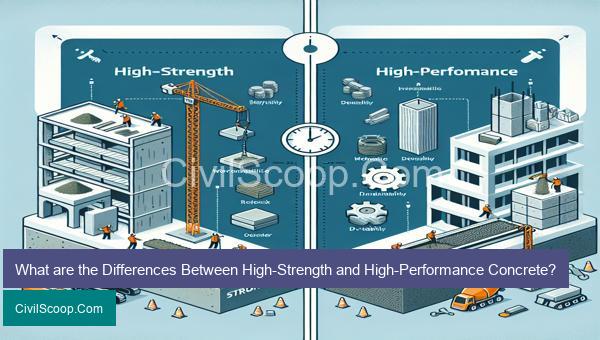
High-strength and high-performance concrete are two distinct types of concrete that are used in the construction industry for specific purposes. While they may seem similar, there are significant differences between these two types of concrete, including their composition, properties, and uses.
1. Composition
High-strength concrete is typically composed of cement, water, fine and coarse aggregates, and chemical admixtures. The amount of cement used in high-strength concrete is higher than standard concrete, which results in a higher strength and lower water-cement ratio. The aggregates used are also finer and more uniform in size, which helps in achieving higher strengths.
On the other hand, high-performance concrete is a combination of high-strength concrete and other special ingredients, such as silica fume, fly ash, and fibers. These additional ingredients enhance the properties of the concrete, such as strength, durability, and workability.
2. Strength
The primary difference between high-strength and high-performance concrete is the strength. High-strength concrete has a compressive strength of 7,000 to 14,000 pounds per square inch (psi), while high-performance concrete has compressive strengths of 14,000 to 20,000 psi or higher. This increase in strength is achieved by reducing the water-cement ratio and using specialized ingredients in high-performance concrete.
3. Durability
High-performance concrete is designed to have better durability than high-strength concrete. The addition of silica fume and other ingredients in high-performance concrete significantly improves its resistance to chemical attacks, corrosion, and abrasion. This makes it suitable for use in harsh environments, such as marine structures, bridges, and tunnels.
4. Workability
High-strength concrete can be challenging to work with due to its low water-cement ratio, which results in a stiff and less workable mix. On the other hand, high-performance concrete has excellent workability due to the addition of chemical admixtures. This makes it easier to pump, place, and finish, making it suitable for complex and slender structures.
5. Cost
High-strength concrete is more expensive than standard concrete due to the higher cement content and specialized aggregates used. High-performance concrete, however, can be more cost-effective in the long run due to its increased durability and reduced maintenance costs.
6. Applications
High-strength concrete is typically used in high-rise buildings, bridges, and other structures that require high load-bearing capacity. It is also used in structures that require thinner and longer spans, as it allows for the reduction of the structural elements.
High-performance concrete, on the other hand, is used in structures that require high durability and resistance to harsh environments, such as bridges, tunnels, and parking structures. It is also used in architectural concrete elements, such as facades and decorative elements.
In conclusion, high-strength and high-performance concrete have distinctive differences in terms of composition, strength, durability, workability, cost, and applications. Both types of concrete have their unique properties and are used for different purposes, based on the specific needs of a project. It is essential to understand these differences and choose the appropriate type of concrete for a particular construction project to ensure its structural integrity and longevity.
Conclusion
In conclusion, high-strength and high-performance concrete can greatly enhance the durability, strength, and aesthetic appeal of various structures. This specialized type of concrete has a wide range of potential applications, from high-rise buildings and bridges to dams and nuclear power plants. Its superior qualities make it a popular choice for construction projects, as it offers numerous benefits such as extended lifespan, reduced maintenance costs, and environmental sustainability. As technology and research continue to advance, the possibilities for utilizing high-strength and high-performance concrete continue to grow, making it an integral part of modern construction practices. With proper design, mix proportions, and placement techniques, this type of concrete can greatly contribute to the development of resilient and long-lasting structures.