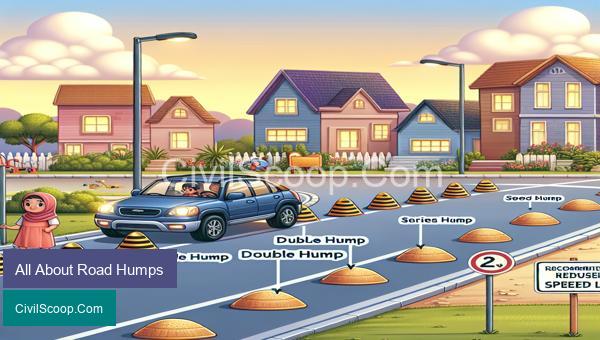
Road humps, also known as speed bumps or speed humps, have become a ubiquitous feature on many roads and streets around the world. These raised sections of pavement are designed to slow down vehicles and improve safety for pedestrians. While often controversial and seen as a nuisance to drivers, road humps have a significant impact on traffic flow and can make a significant difference in reducing accidents and fatalities. In this article, we’ll delve into the various types of road humps, how they work, their effectiveness in reducing speeds and increasing safety, and the ongoing debate surrounding their use. Whether you love them or hate them, road humps are an important aspect of road design and play a crucial role in our daily commute. Let’s take a deeper look
Table of Contents
What are Road Humps? Features and Classes
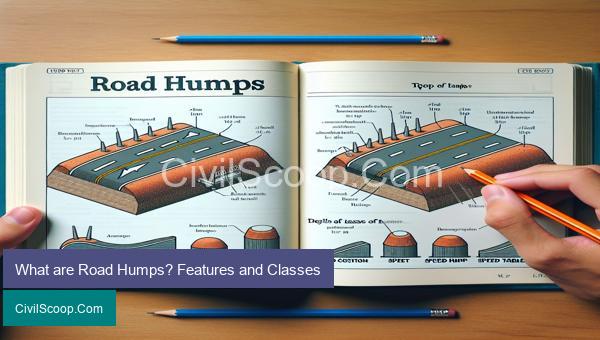
Road humps, also known as speed bumps, are traffic calming measures used to reduce the speed of vehicles on roads. They are structures that cause a vertical deflection in the roadway, forcing drivers to reduce their speed in order to safely pass over them. Road humps are typically made of asphalt, concrete, or rubber and can be found on various types of roads such as residential streets, parking lots, and school zones.
Features of Road Humps:
1. Height: Road humps are typically 3-4 inches high, with a gradual sloping on both sides to ensure a smooth transition for vehicles passing over.
2. Length: The length of a road hump can vary from 10-20 feet, depending on the speed limit of the road and the desired effect of slowing down traffic.
3. Width: Road humps are usually between 12-14 feet wide, wide enough to accommodate the width of a normal vehicle.
4. Color: Road humps are often painted in a bright color, such as yellow or white, to make them more visible to drivers, especially at night.
5. Reflectors: To further increase visibility, road humps may also have reflective strips or dots embedded in them.
Classes of Road Humps:
1. Speed Hump: This is the most common type of road hump and is used to reduce the speed of vehicles to around 15-20 mph. These are usually found in residential areas and parking lots.
2. Raised Crosswalk: Similar to a speed hump, a raised crosswalk is designed to slow down vehicles at pedestrian crossings. They are generally longer in length and are painted with zebra stripes to indicate a pedestrian crossing.
3. Speed Tables: These are longer and flatter compared to speed humps, with a maximum height of 3 inches. They cover the entire width of the road and are suitable for higher speed limits of around 25-30 mph.
4. Mid-Block Crossing: These are used to facilitate pedestrian crossings on busy streets. They are generally larger in size and have a higher elevation compared to other types of humps.
Benefits of Road Humps:
1. Speed Reduction: The main purpose of road humps is to slow down vehicles and reduce the risk of accidents, especially in areas with high pedestrian traffic.
2. Traffic Calming: Road humps can help calm traffic on busy streets by discouraging drivers from speeding, thus creating a safer environment for both pedestrians and motorists.
3. Cost-effective: Compared to other traffic calming measures, road humps are relatively inexpensive to install. They also require minimal maintenance, making them a cost-effective solution in the long run.
4. Noise Reduction: Road humps can reduce the noise levels from traffic, making the area more peaceful and liveable for residents.
In conclusion, road humps are a simple and effective way to slow down vehicles and improve safety on the roads. They come in different classes and have various features, making them suitable for different types of roads and speed limits. As a civil engineer, it is important to consider the placement and design of road humps to ensure their effectiveness and minimize any negative impact on traffic flow.
Features of Road or Speed Hump

Roads and speed humps are essential elements of our transportation infrastructure and play a crucial role in ensuring the safe and smooth movement of vehicles and pedestrians. As a civil engineer, it is important to design roads and speed humps that are efficient, durable, and meet the needs of the community they serve. Here are some key features of roads and speed humps that a civil engineer must consider.
1. Width and alignment: The width and alignment of a road or speed hump are crucial factors that determine its capacity and safety. A road’s width depends on the expected volume and type of traffic it will cater to, while the alignment should be designed to accommodate the natural terrain and avoid sharp curves and steep grades.
2. Slope and elevation: Roads and speed humps should be built with a gentle slope and proper elevation to allow for efficient drainage of water. Improper slope or elevation can lead to water pooling, which can cause damage to the road over time and create safety hazards.
3. Materials: The choice of materials for roads and speed humps is essential for their durability and performance. Asphalt and concrete are commonly used for roads, while speed humps are usually made of rubber, plastic, or concrete. The civil engineer must consider factors such as weather conditions, traffic volume, and budget when selecting materials.
4. Curbs and gutters: Curbs and gutters are essential features of roads that help to control the flow of water and guide traffic. A well-designed curb and gutter system prevent water from pooling on the road and protect the road’s edges from erosion.
5. Lane marking and signage: Clear lane markings and proper signage are crucial for the safe and efficient movement of vehicles on roads. A civil engineer must ensure that these features are strategically placed and comply with traffic regulations to enhance visibility and reduce accidents.
6. Speed hump dimensions: Speed humps are an important traffic calming measure to reduce vehicle speeds and enhance pedestrian safety. The dimensions of a speed hump, such as height, width, and length, must be carefully designed to ensure effectiveness without causing discomfort or damage to vehicles.
7. Placement and spacing: Placement and spacing of speed humps are critical for their effectiveness and safety. Speed humps should be placed in strategic locations, such as near schools, residential areas, and shopping centers, where there is a high volume of pedestrians and vehicles. The spacing between speed humps should be carefully determined to avoid creating traffic congestion.
8. Accessibility: A civil engineer must consider the accessibility needs of all users when designing roads and speed humps. Sidewalks, curb ramps, and crosswalks should be included to enable safe and convenient movement for pedestrians, including those with disabilities.
In conclusion, roads and speed humps are essential features of our transportation system, and their design and construction require careful consideration of various factors. As a civil engineer, it is essential to ensure that these features are built to high standards to ensure safety, functionality, and durability for the community it serves.
Design Criteria of Speed Humps
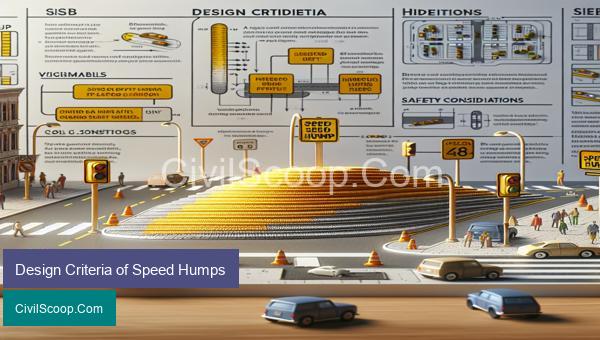
Design criteria of speed humps play a critical role in ensuring the safety of road users and controlling the speed of vehicles on roads. A speed hump, also known as a speed bump, is a raised section of pavement used to slow down traffic in residential areas, school zones, and other areas where there is a need for traffic calming.
The design criteria of speed humps are based on various factors, including the type of road, traffic volume, speed limit, and purpose of installation. A civil engineer must consider these factors while designing speed humps to ensure their effectiveness and adherence to safety standards.
Here are some of the essential design criteria for speed humps:
1. Speed Limit: The primary purpose of speed humps is to reduce the speed of vehicles. Therefore, the speed limit of the road where the speed hump is to be installed must be taken into consideration. In general, speed humps are most effective on roads with a speed limit of 25 mph or lower.
2. Length and Height: The length and height of speed humps are critical in controlling the speed of vehicles. Speed humps are typically 12-14 feet long and 3-4 inches high. A longer hump helps to ensure a smoother ride for vehicles, while a higher hump slows down vehicles more effectively.
3. Slope: The slope of a speed hump should not exceed 10%. This slope ensures that vehicles can safely pass over the hump without causing damage to the vehicle or discomfort to the driver.
4. Width: The width of the road where the speed hump is to be installed is also crucial in determining the size of the hump. The hump should be wide enough to accommodate the width of the road, and the surrounding curbs and sidewalks should be graded to provide a smooth transition.
5. Spacing: The spacing between two speed humps is an essential factor to consider. The ideal spacing is between 100-250 feet, depending on the traffic volume and speed limit of the road. Too much spacing can reduce the effectiveness of speed humps, while too little spacing can be uncomfortable for drivers.
6. Pavement Marking: Proper pavement marking is essential to ensure visibility and warning for drivers approaching the speed hump. The hump should have a yellow or white color with reflective strips. Pavement markings also indicate speed hump locations to drivers who may be unfamiliar with the area.
7. Drainage: One crucial factor that is often overlooked in the design of speed humps is drainage. Speed humps should be designed to allow proper drainage to prevent water accumulation and potential damage to the hump.
In addition to these design criteria, the location and purpose of the speed hump must also be considered. For instance, in school zones, speed humps should be located far enough from school entrances to avoid congestion and ensure the safety of children. Speed humps should also not impede emergency vehicles’ access, and their installation should be well-communicated to drivers through appropriate signage.
In conclusion, the design criteria of speed humps are crucial in ensuring their effectiveness and safety for road users. Civil engineers must carefully consider these criteria to design speed humps that meet the required standards and contribute to traffic calming and safer road conditions.
Classes of Road Humps
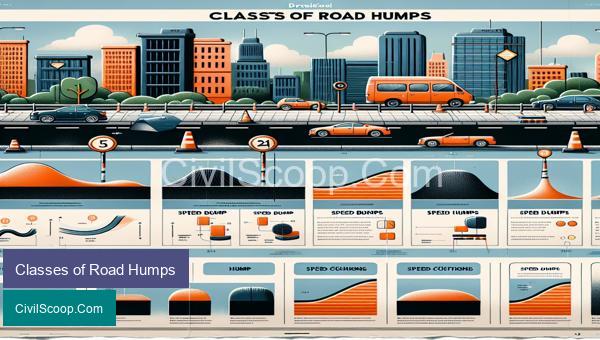
Road humps, also known as speed bumps, are traffic calming measures designed to slow down vehicle speeds and improve road safety. They are typically placed on local streets and in residential areas to prevent speeding and reduce the risk of accidents. Road humps are made of different materials such as asphalt, concrete, or rubber and come in various sizes and shapes. They are classified into three main categories based on their height and profile: flat-topped, round-topped, and sinusoidal humps. Each class of road humps has its own characteristics and applications.
1. Flat-Topped Humps:
Flat-topped humps are the most common type of road humps. They have a straight and flat surface with a height of 75-100mm (3-4 inches) and a width of 3-4 meters (10-13 feet). These humps provide a smooth ride for vehicles while still being effective in slowing down speeds. They are suitable for use on low-speed roads with heavy traffic, such as residential areas, school zones, and parking lots. Flat-topped humps are also commonly used on bus routes and emergency vehicle access roads as they do not cause much inconvenience for larger vehicles.
2. Round-Topped Humps:
Round-topped humps have a smooth curved surface and a height of 75-100mm (3-4 inches) with a width of 3-4 meters (10-13 feet). These humps are more gradual in slope compared to flat-topped humps and are, therefore, more suitable for higher speed roads. They are often used on roads with speed limits of 30-40 km/h (18-25 mph) to reduce vehicle speeds to a safe level. Round-topped humps are also used in areas with heavy truck traffic as they have a gentler grading, making it easier for trucks and other heavy vehicles to pass over.
3. Sinusoidal Humps:
Sinusoidal humps have a wave-like shape and a height of 75-100mm (3-4 inches) with a width of 3-4 meters (10-13 feet). They are designed to be more aesthetically appealing and less obtrusive compared to other hump types. These humps are commonly used in residential areas and school zones where there is high pedestrian traffic. They are also suitable for use in recreational areas and parks where a smooth ride is necessary for cyclists and pedestrians.
In addition to the three main classes of road humps, there are also variations such as speed cushions and table-top humps. Speed cushions are similar to flat-topped humps but have cut-out sections to allow larger vehicles, such as buses, to pass through without needing to slow down. Table-top humps have a wider surface area, providing a more gradual transition between the hump and the road surface. This type of hump is often used in areas with high pedestrian activity to create a level crossing for the safety of pedestrians.
In conclusion, road humps play an essential role in traffic calming and road safety. The different classes of road humps offer a variety of options to suit various road conditions and traffic requirements. Selection of the appropriate type of hump must consider factors such as traffic volume, speed limits, and the presence of cyclists and pedestrians. Properly designed and installed road humps can effectively reduce vehicle speeds and contribute to creating safer roads for all road users.
Conclusion
In conclusion, road humps play a crucial role in promoting safety and efficiency on our roads. They help to control speed, reduce the likelihood of accidents, and create a better traffic flow. However, proper planning and consideration must be given when implementing road humps to avoid any negative impact on drivers and nearby residents. With continuous improvement and maintenance, road humps can contribute to creating a safer and more enjoyable driving experience for everyone. Remember, it is essential to follow the designated speed limits and drive with caution, whether there are road humps present or not. Let’s work together to make our roads safer for everyone.