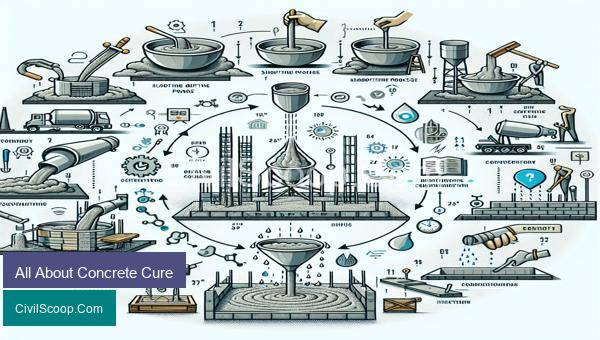
Concrete is one of the most commonly used building materials in the construction industry, known for its strength and durability. However, the process of curing, or allowing the concrete to harden and gain its maximum strength, is often overlooked but crucial to the overall quality and longevity of a structure. In this article, we will delve into the topic of concrete cure, exploring its importance, methods, and best practices to ensure a successful and long-lasting construction project. Whether you are a construction professional or a homeowner looking to understand more about the curing process, this article will provide valuable insights into all things concrete cure.
Table of Contents
How Long Does Concrete Take to Cure
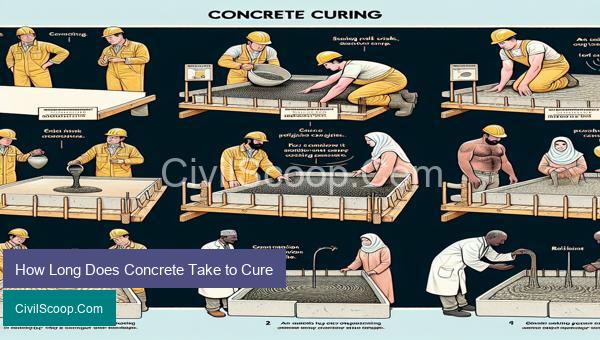
Concrete is a widely used construction material due to its strength, durability, and versatility. It is commonly used in the construction of buildings, roads, bridges, and other infrastructure projects. However, one crucial aspect of using concrete is the curing process.
Curing is the process of maintaining adequate moisture and temperature conditions in concrete for a sufficient period to promote hydration and achieve desired strength and durability. As a civil engineer, it is important to understand how long concrete takes to cure to ensure that the structure is safe and stable.
The curing time for concrete can vary depending on various factors such as the type of cement used, ambient conditions, and the size and shape of the concrete element. Generally, concrete takes about 28 days to achieve its full strength, but it is important to note that the curing process lasts much longer.
The initial setting time for concrete is approximately 30 minutes, which is the time it takes for the mixture to start to harden. This is followed by the final setting time, which usually takes around 8-10 hours. During this time, the concrete cannot be disturbed or subjected to any loads.
After the initial and final setting time, the curing process begins. The curing time for concrete is crucial as it allows the water in the mixture to react with the cement, resulting in the formation of a strong and dense material. This process can take anywhere from 7 days to 28 days, depending on the type of cement used and the environmental conditions.
In hot and dry weather, concrete can cure faster due to the increased evaporation rate, while in cold and wet conditions, it may take longer to cure. High-strength concrete, which contains a higher proportion of cement, can also take longer to cure compared to low-strength concrete.
The shape and size of the concrete element can also affect the curing time. Thicker concrete elements take longer to cure as the hydration process needs to reach the center of the structure. It is important to follow proper curing methods, such as keeping the concrete moist and at a suitable temperature, to ensure the strength and durability of the structure.
In conclusion, the curing time for concrete varies depending on several factors and can take anywhere from 7 days to 28 days. As a civil engineer, it is vital to understand the importance of curing and ensure that the proper measures are taken to achieve strong and durable concrete structures. Failure to follow proper curing methods can result in weaker and more vulnerable structures, leading to costly repairs and potential safety hazards.
Conclusion
In conclusion, understanding the process of concrete cure is crucial for ensuring the durability and strength of any construction project. Through proper hydration and curing methods, the concrete is able to reach its maximum strength and adhere to the desired design. By following the guidelines and recommendations outlined in this article, builders, contractors, and homeowners can ensure a successful and long-lasting concrete cure process. With continuous advancements in technology and techniques, it is essential to stay updated on the latest practices for the best results. By investing time and effort into a proper concrete cure, we can achieve resilient and sustainable structures that will stand the test of time.