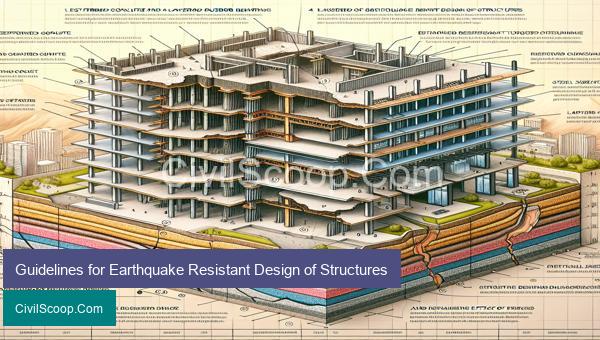
Earthquakes have been a recurring nightmare for many countries, causing destruction and devastation in their wake. The disastrous consequences of earthquakes are often attributed to the inadequate design of structures, which fail to withstand the intense shaking caused by these natural disasters. It is therefore crucial for engineers and architects to incorporate earthquake-resistant design principles in their projects to mitigate the impact of these powerful forces of nature. In this article, we will elaborate on the guidelines for earthquake-resistant design of structures that are essential in constructing safe and resilient buildings in earthquake-prone regions. These guidelines serve as a useful reference for professionals to ensure the structural integrity and safety of buildings, ultimately protecting lives and minimizing damage during an earthquake.
Table of Contents
Reasons for High Casualty During Earthquakes:
Earthquakes are natural disasters that can cause catastrophic damage to both human and man-made structures. They occur when the Earth’s tectonic plates shift and release energy, resulting in sudden and violent shaking of the ground. Unfortunately, earthquakes also have the potential to cause high casualties. In this article, we will explore some of the main reasons for high casualty during earthquakes.
1. Poorly Constructed Buildings:
One of the primary reasons for high casualty during earthquakes is the collapse of poorly constructed buildings. Many developing countries have inadequate building codes and regulations, leading to buildings that are not designed to withstand earthquake forces. These structures are more likely to collapse or suffer severe damage during an earthquake, putting the lives of the occupants at risk.
2. Population Density:
The number of casualties during an earthquake is directly related to the population density in the affected area. Urban areas with a high population density are more susceptible to earthquake damage and can result in a larger number of casualties. In densely populated cities, building structures are often close to each other, making it difficult for people to evacuate during a disaster.
3. Lack of Awareness and Preparedness:
In some cases, high casualty during earthquakes is also due to the lack of awareness and preparedness among the affected population. People living in earthquake-prone regions may not understand the potential danger posed by such disasters and are not adequately prepared to respond to an earthquake. This lack of awareness and preparedness can result in panic and chaos, leading to more deaths and injuries.
4. Inadequate Infrastructure:
During an earthquake, there is a high likelihood of damage to infrastructure such as roads, bridges, and transportation systems. This can hinder rescue and relief efforts, resulting in delays and ultimately leading to higher casualties. In some cases, damaged infrastructure can also impede access to medical facilities or evacuation routes, causing further harm to the affected population.
5. Secondary Hazards:
Earthquakes can trigger secondary hazards such as landslides, tsunamis, and fires, causing additional damage and casualties. The instability of the ground after an earthquake can also lead to liquefaction, where the soil loses its strength and behaves as a liquid. This can cause buildings and other structures to sink or topple, resulting in even more casualties.
6. Insufficient Emergency Response:
The effectiveness of emergency response plays a crucial role in minimizing casualties during an earthquake. However, in many cases, the response time of emergency services is slow due to inadequate resources, lack of training, or damaged infrastructure. This delay can result in the loss of precious time and ultimately lead to more fatalities.
In conclusion, there are various reasons for high casualty during earthquakes, such as poorly constructed buildings, high population density, lack of awareness and preparedness, inadequate infrastructure, secondary hazards, and insufficient emergency response. To mitigate the impact of earthquakes, it is essential to prioritize measures such as proper building design and construction, awareness and preparedness programs, and efficient emergency response strategies. It is also crucial for governments and authorities to invest in strengthening vulnerable infrastructure and developing effective disaster management plans.
General Guidelines for Earthquake Resistant Design
Earthquakes are one of the most destructive and unpredictable natural disasters. As a civil engineer, it is crucial to incorporate earthquake resistant design principles in the buildings and structures we design to minimize the risk of damage and loss of life. Here are some general guidelines for earthquake resistant design:
1. Follow Building Codes and Standards: Every country has its own set of building codes and standards that specify the minimum requirements for earthquake resistant design. These codes are constantly updated to incorporate the latest research and technology. As a civil engineer, it is important to be familiar with these codes and ensure that all designs meet or exceed their requirements.
2. Knowledge of Seismic Hazard: Before beginning any design, it is important to have a thorough understanding of the seismic hazard in the region. This includes the frequency, magnitude, and type of earthquake that can occur. This information will play a crucial role in determining the design parameters for the structure.
3. Site Selection and Soil Conditions: The location and soil conditions of a site have a significant impact on the seismic performance of a structure. It is important to avoid building on soft soils or near fault lines. If this is not possible, proper foundation design and strengthening measures must be incorporated to mitigate the effects of the earthquakes.
4. Structural System Selection: There are various types of structural systems such as shear walls, braced frames, and moment-resisting frames. Each system has its own advantages and disadvantages in terms of resisting earthquake forces. The selection of the structural system should be based on the site conditions, building height, and expected seismic loads.
5. Ductility and Redundancy: Ductility is the ability of a structure to deform without losing its strength and stability. Redundancy is the presence of multiple load paths in a structure. Both these factors are vital in ensuring the safety of a structure during an earthquake. Designs should incorporate adequate ductility and redundancy measures to improve the seismic performance of the structure.
6. Seismic-Resistant Building Materials: The selection of building materials also plays a crucial role in earthquake-resistant design. Reinforced concrete and steel are commonly used materials due to their high strength and ductility. Proper detailing and construction techniques must also be followed to ensure the stability of these materials during an earthquake.
7. Seismic Isolation and Damping: These techniques involve using specialized devices to isolate the structure from ground motion or absorb the energy generated by an earthquake. These techniques can greatly improve the seismic performance of a structure and are recommended for critical infrastructure such as hospitals and emergency facilities.
8. Quality Control and Inspection: It is important to have strict quality control and inspection procedures in place during construction to ensure that the design is being implemented correctly. Any deviations or errors must be addressed immediately to maintain the integrity of the structure.
9. Regular Maintenance and Retrofitting: Buildings and structures must be regularly inspected and maintained to ensure their seismic performance. In addition, retrofitting older buildings with new seismic-resistant features can greatly improve their ability to withstand earthquakes.
In conclusion, earthquake resistant design is a complex and multidisciplinary process that requires careful consideration of various factors. Following these general guidelines will help ensure the safety and stability of structures during an earthquake, minimizing the risk of damage and loss of life. As a civil engineer, it is our responsibility to design structures that can withstand the destructive forces of earthquakes and contribute to creating resilient and safer communities.
Conclusion
In conclusion, the devastating impact of earthquakes on structures and human lives has emphasized the importance of earthquake-resistant design. Based on extensive research and experience from past earthquakes, numerous guidelines have been developed to ensure the safety and resilience of structures against seismic events. These guidelines cover various aspects such as site selection, structural analysis and design, and construction techniques. Implementing these guidelines in all stages of the design and construction process is crucial in mitigating the damage and loss caused by earthquakes. As architects, engineers, and builders, it is our responsibility to prioritize earthquake-resistant design in all future structural projects to create a more resilient and safer built environment.