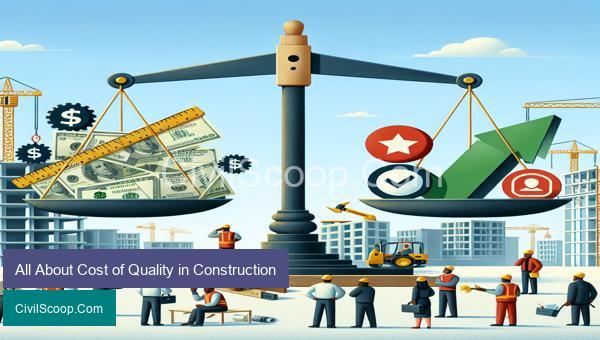
Cost of quality is a critical aspect in the construction industry, as it directly impacts the overall success of a project. Construction projects involve numerous activities and stakeholders, which can result in various quality-related costs. These costs can include prevention, appraisal, and failure costs, all of which contribute to the total cost of quality. In this article, we will explore in detail the concept of cost of quality in the construction industry, its importance, and how it can be managed effectively to ensure successful project outcomes. Additionally, we will also discuss the strategies that can be implemented to minimize quality-related costs and improve overall project performance.
Table of Contents
What is Cost of Quality in Construction?
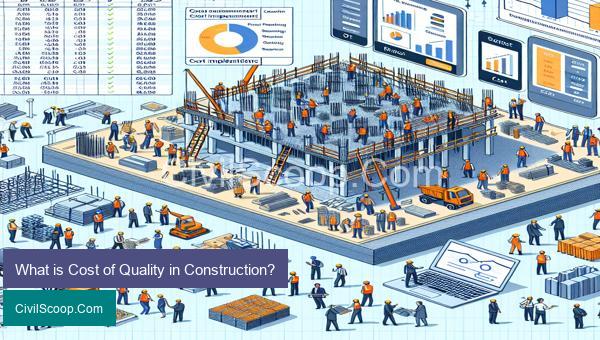
Cost of quality in construction refers to the amount of money spent on ensuring that a project meets the required quality standards. It includes the costs incurred to prevent defects, detect and correct them during various stages of construction. In other words, it is the total cost of all activities and efforts aimed at achieving and maintaining quality during the construction process.
There are four main aspects of cost of quality in construction: prevention costs, appraisal costs, internal failure costs, and external failure costs.
1. Prevention Costs:
Prevention costs refer to the expenses incurred in preventing defects or errors before they occur. These costs include activities such as training of personnel, quality planning and control, design reviews, and implementing quality management systems. By investing in prevention costs, construction companies can avoid costly rework and repairs later in the project.
2. Appraisal Costs:
Appraisal costs are incurred in evaluating the quality of materials, products or services to meet specified requirements. These costs include inspection, testing, and quality audits throughout the construction process. By conducting regular quality checks, companies can identify and correct any defects early on, reducing the likelihood of costly errors in the later stages of the project.
3. Internal Failure Costs:
Internal failure costs are the costs incurred due to defects found and corrected before the project is completed. These costs include the material and labor costs involved in rework, repair, and scrap due to non-conformance to quality standards. These costs can add up quickly if quality issues are not addressed promptly and effectively.
4. External Failure Costs:
External failure costs are the most expensive type of cost of quality in construction. These costs are incurred when the project fails to meet the quality standards and reaches the client. It includes the cost of warranty claims, litigation costs, delays, and loss of reputation. These costs not only affect the current project but can also impact future projects and damage the company’s reputation.
It is essential for construction companies to balance the four aspects of cost of quality to achieve the best value for their investment. Investing too little in quality can result in shoddy work, rework, delays, and increased costs. On the other hand, investing too much in quality may significantly increase project costs and make the project unviable.
In conclusion, the cost of quality in construction is crucial to the success of any project. By investing in prevention and appraisal costs, companies can avoid costly failures and defects, reducing the overall cost of construction. Proper management of quality control processes is vital to ensure that the project meets the required quality standards while staying within budget.
1. Expert Views on Cost of Quality
The concept of cost of quality has been a subject of interest and debate among experts in the field of engineering and project management. It refers to the total cost incurred by an organization to ensure that the products or services provided meet or exceed customer expectations. The cost of quality can be divided into two main categories: cost of conformance and cost of non-conformance. The former refers to the expenses incurred in preventing and detecting defects, while the latter includes the costs incurred due to defects and their consequences.
Experts have varying views on the importance and impact of cost of quality in different industries and projects. Some consider it as an essential tool for effective project management and quality control, while others argue that it may not always be a valid measure of quality. However, most experts agree on the fact that the cost of quality is significant, and its management has a direct impact on the success of a project.
One view held by experts is that the cost of quality is a valuable metric that can help organizations identify and mitigate potential risks and costs. By assessing the processes and practices involved in the production of a product or service, organizations can identify areas where improvements can be made to reduce the cost of conformance and non-conformance. This approach helps in identifying and addressing quality issues before they escalate and incur larger costs.
Another opinion shared by experts is that the cost of quality should not be seen as a separate cost, but rather as an integral part of the total cost of producing a product or service. This perspective emphasizes the need to embed quality control measures throughout the project lifecycle, rather than treating them as an add-on expense. It also highlights the importance of quality assurance and management in preventing the occurrence of defects and reducing the overall cost of the project.
Some experts also believe that the cost of quality should not be used as the only measure of a project’s success or the quality of a product. While it is an essential aspect to consider, other factors such as customer satisfaction and long-term benefits should also be taken into account. This view suggests that organizations should balance the cost of quality with other key performance indicators to achieve overall project success.
Despite the differing opinions on its relevance and effectiveness, experts unanimously agree that the cost of quality is a crucial aspect of project management. It enables organizations to ensure that the desired level of quality is achieved while minimizing costs and time. Moreover, by addressing and managing the cost of quality, organizations can increase their competitiveness and customer satisfaction, ultimately leading to project success.
2. What is Cost of Quality?
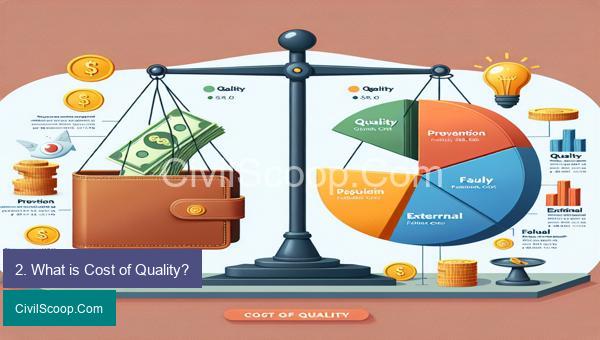
Cost of quality (COQ) is a concept used to measure the total cost incurred by an organization to produce quality products or services. This includes both the cost of ensuring quality and the cost of poor quality. As a civil engineer, it is important to understand the concept of cost of quality and how it affects the construction industry.
The cost of quality can be divided into two main categories: prevention costs and failure costs.
Prevention costs are the expenses incurred by an organization to prevent defects and errors from occurring in the first place. This includes quality planning, training, preventive maintenance, and process improvement efforts. By investing in prevention activities, organizations can reduce the likelihood of errors and defects, which can save significant costs in the long run.
On the other hand, failure costs are the expenses incurred due to defects and errors in the production process. These costs can be further divided into internal failure costs and external failure costs.
Internal failure costs are incurred before the product or service is delivered to the customer. This includes the cost of reworking, scrap and rework materials, and downtime due to quality issues. These costs can significantly impact the project budget and schedule, leading to delays and additional expenses.
External failure costs occur after the product or service has been delivered to the customer. This includes customer complaints, warranty claims, product recalls, and legal fees. These costs not only affect the organization financially, but they also damage the organization’s reputation and customer loyalty.
In the construction industry, the cost of quality is a critical aspect as it directly affects the safety, functionality, and durability of structures. Poor quality construction can lead to accidents, legal issues, and costly repairs in the future. Therefore, it is crucial for civil engineers to focus on prevention costs and invest in quality control and assurance measures to avoid costly failures.
Moreover, the cost of quality can also vary depending on the project phase. During the planning and design phase, investing in quality measures such as proper material selection, accurate drawings, and specifications can help prevent future quality issues and reduce overall project costs. During the construction phase, regular inspections, testing, and quality control measures can help identify and address potential issues before they escalate into failures.
In conclusion, the cost of quality is an essential aspect of project management for civil engineers. By understanding the different types of quality costs and investing in prevention measures, civil engineers can produce high-quality, safe, and durable structures while reducing the overall project cost.
3. Types of Quality Costs
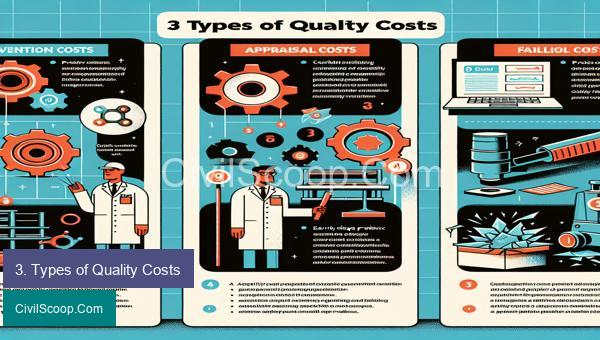
Quality costs are the costs incurred by a company in order to ensure that its products or services meet the required quality standards. These costs can be categorized into three main types: prevention costs, appraisal costs, and failure costs.
1. Prevention Costs:
Prevention costs are the expenses incurred to prevent defects or errors from occurring in the production process. These costs are incurred in order to maintain the quality of the product and prevent any potential problems that may arise in the future. Examples of prevention costs include:
- Training and education: Companies invest in training programs to ensure that their employees have the necessary skills and knowledge to produce high-quality products.
- Quality planning: This involves the development and implementation of quality control procedures, which include product design, process design, and quality management systems.
- Equipment maintenance: Regular maintenance of equipment ensures that they function properly and help in reducing production errors.
- Supplier evaluation: Companies may conduct audits and evaluations of their suppliers to ensure that they also maintain high-quality standards.
2. Appraisal Costs:
Appraisal costs are incurred to evaluate and monitor the quality of the products or services during the production process. These costs are necessary to ensure that the products meet the required quality standards. Some examples of appraisal costs include:
- Inspection and testing: This involves checking products at various stages of production to identify any defects and ensure that they meet the required specifications.
- Quality audits: Companies may conduct regular audits to evaluate the effectiveness of their quality management systems and identify areas for improvement.
- Cost of quality control equipment: Companies may need to invest in specialized equipment, such as testing instruments, to ensure that the products meet the required quality standards.
3. Failure Costs:
Failure costs are the expenses incurred due to defects or errors that are not detected during the production process or are discovered by the customer after the product has been delivered. These costs can be further divided into internal and external failure costs.
- Internal failure costs: These costs occur when defects or errors are identified and corrected before the product reaches the customer. Examples of internal failure costs include rework, repair, and scrap.
- External failure costs: These costs occur when defects or errors are discovered by the customer after the product has been delivered. This can result in product recalls, warranty claims, and loss of reputation, which can be very costly for a company.
It is important for companies to manage these quality costs effectively in order to maintain high-quality standards and reduce the overall cost of production. By investing in prevention and appraisal costs, companies can minimize the chances of failure costs and ensure that their products meet the required quality standards.
4. Optimum Cost of Quality

Cost of quality (COQ) refers to the total cost incurred by an organization in achieving and maintaining the desired level of quality in its products or services. It includes the costs associated with detecting and preventing defects as well as the cost of resolving issues caused by poor quality.
The concept of optimum cost of quality (OCQ) was introduced by Armand V. Feigenbaum, a renowned quality management expert. It refers to the balance between the cost of achieving good quality and the cost of poor quality. The goal of OCQ is to identify and minimize the overall cost of quality while maintaining a level of quality that is acceptable to consumers.
There are four main categories of costs in OCQ:
1. Prevention Costs: These are the costs incurred to prevent defects from occurring in the first place. Examples include quality planning, training, process control, and supplier evaluation. By investing in prevention, companies can reduce the number of defects and thus, reduce the overall cost of quality.
2. Appraisal Costs: These are the costs incurred to detect defects through inspections, testing, or audits. This category also includes the cost of equipment used for quality control purposes. Although appraisal costs cannot eliminate defects, they are necessary to identify and address them before they reach the customer.
3. Internal Failure Costs: These are the costs associated with poor quality that is detected before the product or service is delivered to the customer. This includes rework, scrap, and downtime due to equipment failure. Internal failure costs can be reduced by investing in prevention and appraisal activities.
4. External Failure Costs: These are the costs associated with poor quality that is detected by the customer. Examples include warranty claims, product recalls, and loss of business due to a damaged reputation. External failure costs can be significantly high and can have a significant impact on a company’s finances and reputation.
The goal of OCQ is to identify the optimal levels of prevention and appraisal activities that will minimize internal and external failure costs. However, there is no single formula that can be applied to all organizations. The optimum cost of quality will vary depending on the nature of the business, the products or services offered, and the expectations of the customers.
Some key principles that can help in achieving optimum cost of quality include:
1. Involvement of all employees in quality improvement efforts.
2. Continuous training and development of employees to improve their skills and knowledge.
3. Building a culture of quality and accountability throughout the organization.
4. Measuring and tracking quality performance to identify areas for improvement.
5. Continuous improvement of processes and systems to prevent and reduce defects.
In conclusion, optimum cost of quality is achieved by striking a balance between the cost of achieving good quality and the cost of poor quality. By investing in prevention and appraisal activities, organizations can minimize internal and external failure costs and enhance their reputation and competitiveness in the market. It is a continuous process that requires the commitment and involvement of all employees to achieve sustained success.
Conclusion
In conclusion, understanding and managing the cost of quality in construction is essential for a successful and profitable project. From prevention and appraisal costs to internal and external failure costs, each aspect of the cost of quality should be carefully considered and addressed in order to minimize expenses and ensure high-quality outcomes. By implementing quality management strategies and continuously monitoring and improving processes, construction companies can achieve better results and ultimately save time and money in the long run. It is crucial for all stakeholders to prioritize and invest in quality to achieve successful construction projects while also meeting customer expectations. With a proactive approach towards managing the cost of quality, the construction industry can strive towards excellence and sustainable growth.