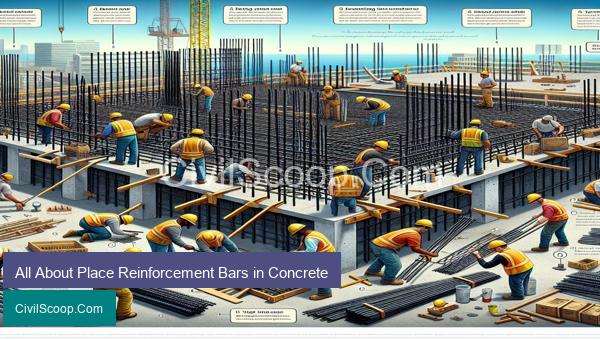
Concrete is one of the most commonly used building materials in the world, renowned for its strength, durability, and versatility in construction projects. However, to ensure the structural integrity of concrete, reinforcement bars, also known as rebar, are essential components. These steel bars play a crucial role in strengthening concrete by providing added strength to withstand tension and compression forces. In this article, we will delve into everything you need to know about place reinforcement bars in concrete, from their types and functions to their placement and best practices for usage. Let us explore the world of rebar and its significance in concrete structures.
Table of Contents
How to Place Reinforcement Bars in Concrete?

Placing reinforcement bars, also known as rebar, in concrete is a vital step in any construction project. It provides strength and stability to the concrete structure and ensures that it can withstand the required loads. Here are the steps involved in placing reinforcement bars in concrete:
1. Plan and Design:
The first step is to have a well-thought-out plan and design for the structure. This includes determining the location, size, and spacing of the reinforcement bars based on the structural requirements and calculations by a structural engineer.
2. Prepare the Site:
Once the design is finalized, the construction site needs to be prepared by clearing any debris or obstacles that may hinder the placement of the rebar. The concrete forms also need to be set up to the required dimensions and levels.
3. Cut and Bend the Rebar:
The reinforcement bars are usually supplied in 12-meter lengths and need to be cut and bent to the required shape and size as per the design. This is usually done using specialized tools such as rebar cutters and benders.
4. Place the Rebar:
The rebar needs to be placed in the forms before the concrete is poured. It is crucial to follow the design and layout precisely as any deviation can affect the structural integrity of the concrete. The bars should be supported by chairs or spacers to maintain the specified spacing and ensure they are at the required height from the bottom of the form.
5. Connect the Rebar:
In areas where two or more rebar intersect, they need to be connected using tie wires or mechanical connectors. This creates a strong, continuous bond between the bars and prevents them from shifting during the concrete placement.
6. Secure the Rebar:
Before the concrete is poured, the rebar needs to be secured by tying the top and bottom layers together using tie wires. This helps in keeping the bars in place during the concrete placement and ensures they are not displaced.
7. Pour the Concrete:
Once the rebar is in place, and all necessary checks have been made, the concrete can be poured. The concrete should be placed evenly to ensure that it surrounds and covers the rebar entirely.
8. Consolidate the Concrete:
As the concrete is being poured, it is essential to consolidate it by using vibrating pokers or by hand tamping. This helps in removing any air pockets and ensures that the concrete properly surrounds the reinforcement bars for maximum strength.
9. Cure the Concrete:
After the concrete has been placed, it needs to be cured properly to achieve its maximum strength. This involves keeping the concrete moist for a specified period to prevent it from drying out too quickly, which can result in cracking.
In conclusion, the placement of reinforcement bars in concrete is a crucial step in the construction process. Careful planning, preparation, and execution are necessary for a strong and durable concrete structure. It is always recommended to consult and follow the guidance of a professional structural engineer to ensure that the rebar is placed correctly and the concrete structure can withstand the required loads.
Conclusion
In conclusion, reinforcement bars play a crucial role in the strength and durability of concrete structures. Understanding the different types, sizes, and placement methods of reinforcing bars is essential for achieving optimal performance and safety in construction projects. Properly installed reinforcement bars can improve the load-bearing capacity, resistance to cracks, and longevity of concrete structures. With advancements in technology and ongoing research, the use of place reinforcement bars in concrete continues to evolve and improve. By staying informed and implementing the best practices, we can ensure that our concrete structures are built to last.