
The use of masonry structures dates back centuries and has been a common method of construction for buildings, bridges, and other types of infrastructure. While these structures are durable and can withstand a high level of stress, they are still susceptible to damage from accidents such as earthquakes, hurricanes, or human error. As such, it is crucial to consider the design of masonry structures with accidental damage in mind, to ensure the safety and longevity of these important structures. In this article, we will delve into the key aspects of masonry structure design for accidental damage, discussing the various types of damage that can occur and the measures that can be taken to prevent or mitigate them.
Table of Contents
Design of Masonry Structures for Accidental Damage
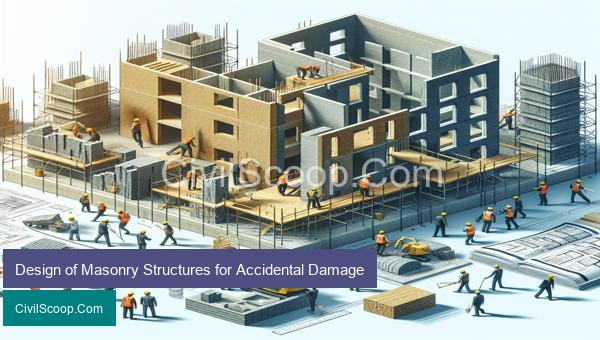
Masonry structures are commonly used in construction due to their strength, durability and cost-effectiveness. However, they are susceptible to accidental damage caused by natural disasters, human error or extreme loads. Therefore, careful design considerations must be taken into account to ensure the safety and stability of masonry structures during such events.
One of the key factors to consider in the design of masonry structures for accidental damage is the choice of materials. The use of high-strength mortar and reinforcement bars can significantly improve the impact resistance and ductility of masonry structures. Additionally, the selection of high-quality bricks or blocks with uniform size, shape and compressive strength can also enhance the structural performance.
Another important aspect to consider is the structural layout and geometry. Rectangular or square-shaped buildings with symmetrical and evenly distributed loads tend to have better resistance to accidental damage compared to irregularly shaped structures. It is also crucial to provide sufficient lateral and torsional stiffness to resist lateral forces caused by earthquakes or high winds.
In addition to the overall geometry, the design of individual structural elements is equally crucial. Reinforced masonry walls should be designed with adequate reinforcement spacing and anchorage details to prevent shear and tensile failures. The size and orientation of openings such as windows and doors should also be carefully evaluated to avoid weak spots in the structure.
The design should also account for the possible impact of accidental loads such as vehicular collisions. Protective measures, such as bollards or crash barriers, may need to be incorporated into the design to mitigate the effects of such events. In high-traffic areas, the risk of impact from vehicles should be considered and addressed accordingly.
Furthermore, the use of earthquake-resistant technologies, such as base isolation and energy dissipation devices, can significantly improve the performance of masonry structures during seismic events. These technologies can be integrated into the design to reduce the impact of seismic forces on the structure and improve its overall seismic performance.
Lastly, regular maintenance and inspection of masonry structures is crucial to ensure their long-term safety and stability. Any signs of deterioration or damage should be promptly addressed to prevent potential failures.
In conclusion, the design of masonry structures for accidental damage requires a holistic approach, considering factors such as material selection, structural layout, individual element design, and the possible impact of accidental loads. A thorough understanding of the structural behavior and appropriate design measures can help ensure the safety and durability of masonry structures in the face of unforeseen events.
Types of Accidental Loads on Masonry Structures

Masonry structures are widely used in construction due to their strength, durability, and aesthetic appeal. However, like any other type of structure, they are susceptible to various types of accidental loads that can cause damage or failure. These loads can be caused by natural disasters, human errors, or unforeseen circumstances. In this article, we will discuss the different types of accidental loads on masonry structures.
1. Wind Loads
Strong winds can exert significant forces on masonry structures, causing them to sway or even collapse. The wind load on a structure depends on its height, shape, and orientation. It is usually higher on tall and slender buildings with a large surface area perpendicular to the wind direction. The force of the wind can cause cracks, bulges, or even detachment of masonry elements, especially if the mortar is weak or deteriorated.
2. Seismic Loads
Earthquakes can subject masonry structures to shaking and vibration, which can cause them to crack or collapse. The intensity of seismic loads depends on the magnitude, duration, and frequency of the earthquake, as well as the properties of the soil underneath the structure. Masonry structures in seismically active regions should be designed and constructed to withstand these loads.
3. Impact Loads
Accidental impacts from vehicles, falling debris, or explosions can cause severe damage to masonry structures. The force of the impact and the location of the impact on the structure determine the extent of the damage. In some cases, the load can be localized, resulting in cracking or spalling of masonry elements. In other cases, the impact can cause a global failure of the structure.
4. Thermal Loads
Extreme fluctuations in temperature can cause expansion and contraction of masonry elements, leading to cracks and other forms of distress. This type of load is more prevalent in regions with extreme weather conditions, where the temperature can vary significantly between day and night. The use of expansion joints and proper insulation can help mitigate the effects of thermal loads on masonry structures.
5. Snow and Ice Loads
In colder climates, snow and ice can accumulate on the roof and upper parts of masonry structures, putting added weight and stress on them. If the structure is not designed to withstand these loads, it can lead to roof collapse or damage to other elements. Regular maintenance and proper snow and ice removal can help prevent this type of accidental load.
6. Soil Settlement
Over time, the soil underneath a masonry structure can settle, causing differential movement and putting the structure under stress. This can result in cracks, tilting, or even partial collapse of the structure. Proper soil investigation and foundation design are essential to prevent this type of accidental load.
In conclusion, accidental loads can pose a significant threat to the integrity and safety of masonry structures. Therefore, it is essential to consider these loads during the design, construction, and maintenance of these structures. A thorough understanding of the potential accidental loads and their effects can help engineers implement appropriate measures to ensure the safety and longevity of masonry structures.
Risk of Occurrence of Accidental Loads on Masonry Structures

Masonry structures, which are made up of materials such as bricks, stones, or concrete blocks, can be at risk of experiencing accidental loads. These loads can come from external factors, natural disasters, or human errors, and can result in damage to the structure or even collapse. As a civil engineer, it is crucial to understand and evaluate the risk of accidental loads on masonry structures in order to design safe and resilient structures.
Some of the most common accidental loads that can affect masonry structures include:
1. Wind Loads: High winds can put a significant amount of pressure on masonry structures, especially tall and slender ones. In areas prone to hurricanes, tornadoes, or strong winds, the risk of wind loads increases. If the structure is not designed to withstand these loads, it can lead to cracking or even collapse.
2. Seismic Loads: Earthquakes can generate powerful and unpredictable loads on masonry structures. The risk of seismic loads on masonry structures is higher if they are not properly reinforced or designed to withstand lateral forces and ground motion.
3. Blast Loads: Masonry structures located near explosion-prone areas, such as industrial plants or military bases, are at risk of blast loads. The sudden and intense pressure from a blast can cause severe damage to the structure, including collapse.
4. Impact Loads: Accidental impact loads can also occur due to vehicle collisions, falling objects, or even human error. The risk of impact loads on masonry structures increases if they are located near high-traffic areas or construction sites.
5. Soil Movement: Masonry structures built on unstable or poorly compacted soil are susceptible to ground movement, which can cause cracks and structural damage. This risk is further heightened in areas with high water tables, where soil can expand and contract, putting pressure on the foundation of the structure.
To evaluate the risk of accidental loads on masonry structures, civil engineers use various methods, including structural analysis and risk assessment tools. They also consider the location, climate, and surrounding environment to determine the level of risk for each type of accidental load.
To mitigate the risks, engineers incorporate safety factors and design the structure to withstand a certain level of accidental loads. For example, wind loads can be reduced by designing the structure with aerodynamic features or using reinforcement techniques such as bracing. Seismic loads can be mitigated by designing the structure with flexible joints and incorporating specialized foundation systems.
Proper maintenance and regular inspections are also essential in identifying and addressing potential risks before any accidents occur. Civil engineers play a crucial role in ensuring that masonry structures are designed, constructed, and maintained to withstand various accidental loads and protect the safety of the occupants.
In conclusion, the risk of accidental loads on masonry structures cannot be overlooked, and civil engineers must consider them during the design, construction, and maintenance phases. By understanding the potential risks and implementing proper preventive measures, engineers can help reduce the likelihood of accidents and ensure the safety and longevity of masonry structures.
Likelihood of Progressive Collapse of Masonry Structures

Progressive collapse is a phenomenon where failure of a single component of a structure leads to the failure of other interconnected components, resulting in a major collapse of the entire structure. This catastrophic failure can be triggered by events such as explosions, earthquakes, or structural deficiencies. Masonry structures are particularly vulnerable to progressive collapse due to their inherent properties and design considerations.
The likelihood of progressive collapse in masonry structures depends on several factors such as the size and type of structure, quality of construction, and the integrity of its components. In the case of masonry structures, the following factors greatly influence the likelihood of progressive collapse:
1. Types of Masonry: The type of masonry used in the construction greatly impacts the likelihood of progressive collapse. Masonry structures can be constructed using brick, concrete blocks, stone, or a combination of these materials. Brick and concrete block masonry are more susceptible to progressive collapse compared to stone masonry due to their lower compressive strength and stiffness.
2. Structural Configuration: The structural configuration of the masonry building plays a critical role in its resistance to progressive collapse. Buildings with irregular shapes, openings, or large spans are more prone to progressive collapse as they lack the lateral stability and redundancy required to withstand unforeseen loading conditions.
3. Adequacy of Lateral Load Resisting System: Masonry structures rely on their lateral load resisting system, such as shear walls or braces, to prevent progressive collapse. If these elements are not adequately designed or constructed, the structure may become more susceptible to sudden collapse.
4. Age and Quality of Construction: The age and quality of construction of a masonry structure can greatly influence its susceptibility to progressive collapse. Older structures may have deteriorated over time, making them more vulnerable to collapse, while a well-constructed new masonry structure may have sufficient resistance against progressive collapse.
5. Durability of Materials: The durability of materials used in masonry structures, such as mortar and bricks, also affects their resistance to progressive collapse. If these materials are not adequately protected against environmental factors such as moisture and temperature changes, they may weaken over time, making the structure more vulnerable to collapse.
To ensure the safety of masonry structures against progressive collapse, engineers must carefully evaluate all these factors during the design and construction stages. They should also consider implementing additional measures such as strengthening the building through the use of reinforced concrete frames or tying the walls to the foundation to improve its resistance to failure.
In conclusion, the likelihood of progressive collapse in masonry structures depends on various factors that must be carefully considered during the design and construction stages. Proper design, construction, and maintenance practices can greatly reduce the risk of progressive collapse and ensure the safety and longevity of masonry structures.
Methods of Masonry Structures Design for Accidental Damage

Masonry structures are widely used in the construction industry due to their durability, strength, and fire resistance. However, these structures may be subjected to accidental damage, such as earthquakes, hurricanes, or explosions, which can compromise their structural integrity. Therefore, proper design methods must be implemented to ensure the safety and stability of masonry structures under such scenarios. In this article, we will discuss the methods of masonry structure design for accidental damage.
1. Design for Seismic Loads:
Earthquakes are the most common cause of accidental damage to masonry structures. Hence, it is essential to consider seismic loads during the design process. The first step is to determine the seismic zone and seismic design category of the project site according to the building codes and regulations. This information is then used to calculate the maximum lateral force that the structure can withstand. The design must also consider the different components of a masonry structure, such as walls, columns, and foundations, as each may have different responses to seismic loads. The use of reinforced concrete or steel ties, as well as the incorporation of shear walls and diagonal bracing, can significantly improve the seismic resistance of masonry structures.
2. Design for Wind Loads:
Hurricanes and strong winds can also cause significant damage to masonry structures, especially in areas exposed to high winds. The design for wind loads involves determining the wind speed, direction, and duration, as well as the effects of gusts and turbulence. Based on this information, the structural members are designed to resist the wind forces, and lateral bracing or shear walls may be added to improve the stability of the structure.
3. Blast Resistant Design:
In areas prone to explosions, such as industrial zones, the design of masonry structures must also consider blast resistance. This involves determining the potential blast loads and designing the structure to withstand them. Generally, the use of reinforced masonry construction, increasing the thickness of walls, and using blast-resistant windows and doors can improve the resistance of masonry structures to explosions.
4. Impact Loads:
Masonry structures can also be subjected to impact loads from vehicular collisions, falling debris, or other accidents. During the design process, the potential impact loads and their locations on the structure must be identified. For example, exterior walls may be designed to resist vehicular impacts, or overhead protection may be added to protect the structure from falling objects.
5. Material Selection:
Another method for designing masonry structures for accidental damage is the selection of appropriate materials. The type and quality of masonry units, mortar, and reinforcing materials used can greatly affect the overall strength and resistance of the structure. For example, using high-grade concrete and steel reinforcement can significantly improve the seismic and blast resistance of masonry structures.
In conclusion, proper design methods for accidental damage must be implemented to ensure the safety and stability of masonry structures. This involves considering various external loads, selecting appropriate materials, and incorporating structural elements such as shear walls and bracing. By following these methods, masonry structures can be designed to withstand accidental damage and provide a safe and durable construction for the long term.
Design Recommendations for Masonry Structures Provided by BS 5628

Masonry structures have been used for centuries in building construction due to their durability and strength. As technology and building codes have evolved, the British Standards Institution (BSI) has developed BS 5628: Code of practice for the use of masonry- Part 1: Structural use of unreinforced masonry. This code provides design recommendations for masonry structures to ensure safety and to promote uniformity in construction practices. In this article, we will discuss some of the key design recommendations provided by BS 5628 for masonry structures.
1. Load Capacity:
BS 5628 provides guidance on the design of masonry structures to resist both vertical and lateral loads. It recommends that the load-carrying capacity of masonry should be determined by using a characteristic strength based on the compressive strength of the material. In addition, the code also provides methods for calculating the vertical load capacity of walls and columns, considering factors such as the thickness of the masonry, the type of mortar used, and the presence of openings or doorways.
2. Materials:
The code recommends the use of high-quality masonry materials such as clay and concrete bricks or blocks, and natural stone. These materials should meet the relevant British or European standards and should be classified according to their strength and durability. In addition, the code also provides guidance on the use of reinforcement in masonry structures, such as the placement and spacing of horizontal and vertical reinforcement, to enhance their load-carrying capacity.
3. Structural Detailing:
BS 5628 provides detailed recommendations on the appropriate design and construction of various masonry structural elements such as walls, columns, beams, and arches. It outlines the required length of restraints to support walls and the design of bond beams, which are horizontal structural elements that link the masonry walls together. Furthermore, the code also provides guidance on the design of lintels, which are structural components used to support the load above an opening in a masonry wall.
4. Construction and Workmanship:
To ensure the structural integrity of masonry structures, BS 5628 recommends that they should be constructed according to good workmanship practices. This includes proper preparation and mixing of mortar, laying of blocks or bricks, and proper curing of masonry. The code also provides guidance on the minimum mortar thickness and the required vertical and horizontal joints for different types of masonry, to ensure structural stability and prevent cracking.
5. Consideration for Differential Settlement:
BS 5628 highlights the importance of considering differential settlement in the design of masonry structures. Differential settlement occurs when different parts of a building settle at different rates, causing uneven stress and potential damage to the structure. The code recommends the use of techniques such as stepped foundations, flexible wall supports, and proper structural detailing to minimize the effects of differential settlement on masonry structures.
In conclusion, BS 5628 provides comprehensive design recommendations for masonry structures, covering important aspects such as load capacity, materials, structural detailing, construction, and consideration for differential settlement. Adhering to these recommendations can ensure the safety and structural integrity of masonry buildings, making them a viable and durable option for construction projects. It is important for civil engineers working with masonry structures to familiarize themselves with the recommendations provided by BS 5628, and to apply them in their designs to produce safe and resilient structures.
Conclusion
In conclusion, designing masonry structures for accidental damage requires a thorough understanding of the potential hazards and the structural response to them. By considering the material properties, building codes, and specific hazards, engineers can create robust and resilient structures that can withstand unforeseen events. The use of advanced analysis methods, such as computer simulations, can also aid in the design process, providing more accurate predictions of structural behavior. Additionally, regular maintenance and inspections are essential in identifying potential issues and ensuring the safety and durability of these structures. With a thoughtful and comprehensive design approach, we can better protect our built environment against accidental damages and ensure the safety of the people who inhabit them.