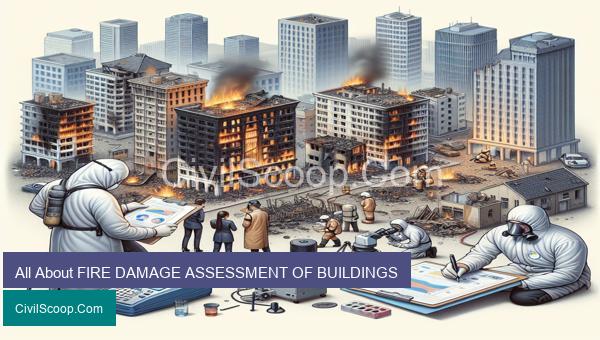
Fires can have devastating effects on buildings, leading to extensive damage and loss. As such, it is crucial to have a proper assessment of the damage caused by a fire in order to determine the next steps for rebuilding and restoration. In this article, we will delve into the topic of fire damage assessment of buildings and explore the crucial steps involved in this process. We will also discuss the importance of a thorough assessment and its impact on the restoration process. Whether you are a homeowner, business owner, or a professional in the field, understanding the intricacies of fire damage assessment is essential in ensuring the safety and restoration of a building after a fire incident.
Table of Contents
FIRE DAMAGE ASSESSMENT OF BUILDINGS

Fire damage assessment of buildings is a critical task undertaken by civil engineers to determine the extent of damage caused by fire and the structural integrity of the building. It involves inspecting the building to identify any potential hazards, assessing the damage to the structure, and recommending repairs or structural reinforcements to make the building safe for occupation.
The first step in fire damage assessment is to conduct a thorough inspection of the building. This includes inspecting the exterior and interior of the building, examining the structural elements such as walls, floors, and roofs, and identifying any potential weaknesses or damage. The engineer also looks for signs of smoke or fire damage, such as discoloration, charring, and cracks in the walls or ceilings.
Once the initial inspection is completed, the engineer uses various tools and techniques to assess the structural damage caused by the fire. These may include non-destructive testing methods such as ultrasonic testing, radiography, and thermal imaging to determine the extent of damage to the building’s structural elements. These methods help in identifying any hidden structural damage that may not be visible to the naked eye.
The fire damage assessment also involves evaluating any potential hazards that may pose a threat to the safety of the building and its occupants. These hazards may include weakened structural elements, electrical or gas supply systems, or any hazardous materials that may have been exposed to heat during the fire.
Based on the findings from the inspection and damage assessment, the civil engineer then prepares a detailed report outlining the extent of damage, potential hazards, and recommended repairs or reinforcements needed to make the building safe for occupation. This report is crucial for insurance purposes and is often used by building owners to make informed decisions about repairing or rebuilding the structure.
In cases where the building has sustained severe damage, the engineer may also assess the stability and load-bearing capacity of the structure. This information is crucial for determining whether the building can be salvaged or needs to be demolished and rebuilt.
In addition to assessing the structural damage, civil engineers also play a crucial role in addressing any fire protection and safety issues that may have contributed to the fire or hindered its containment. They may make recommendations for installing or upgrading fire detection and suppression systems, as well as improving the building’s fire evacuation plan to prevent future incidents.
In conclusion, fire damage assessment of buildings is a crucial task that requires the expertise of civil engineers. It helps determine the extent of damage to the building and ensures that the necessary repairs or reinforcements are carried out to make the building safe for occupation. Proper assessment and documentation of fire damage are crucial for the safety of both the building and its occupants.
Conclusion
In conclusion, understanding the process of fire damage assessment is crucial for property owners, insurance companies, and restoration professionals. It involves a thorough evaluation of the affected building to determine the extent of the damage and develop an effective restoration plan. The assessment should be carried out by experienced and licensed professionals to ensure accuracy and compliance with safety standards. It is also important to note that timely assessment and restoration can minimize the impact of fire damage and prevent further structural deterioration. By following proper assessment procedures, property owners can ensure a safe and successful restoration process, ultimately leading to a full recovery of their building.