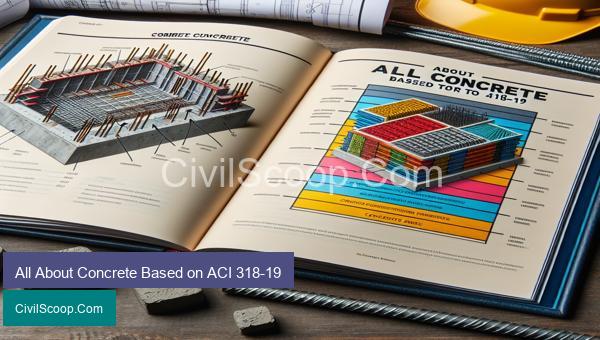
Concrete is one of the most widely used building materials in the world, with a rich history dating back to ancient civilizations. In recent years, there have been significant advancements in concrete technology and design, making it an even more versatile and durable material for various construction projects. One of the key resources for understanding and implementing state-of-the-art concrete design and construction is the American Concrete Institute’s Code, ACI 318-19. This comprehensive guide provides the latest standards, requirements, and recommendations for concrete materials, design, and construction. In this article, we will delve into the key elements of ACI 318-19 and explore how it contributes to the advancement and standardization of concrete practices.
Table of Contents
Design Requirements of Concrete Based on ACI 318-19
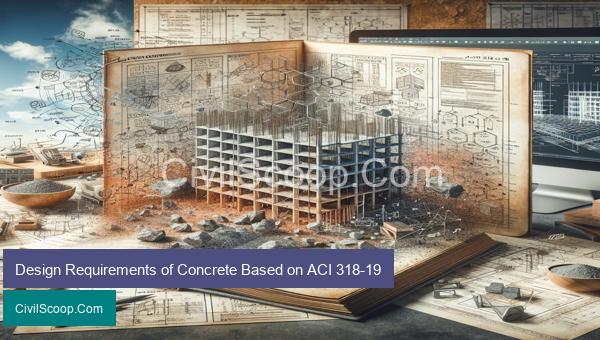
The American Concrete Institute (ACI) 318-19 is a widely used code for the design of concrete structures. It provides guidelines for the design, construction, and installation of concrete elements and systems. As a civil engineer, it is important to understand the design requirements of concrete based on ACI 318-19 in order to ensure safe and efficient structures.
1. Strength Requirements: One of the main design requirements of concrete based on ACI 318-19 is to ensure that the structure has adequate strength to resist the applied loads. This is achieved by considering the design compressive strength of concrete (fc’) and the design tensile strength of reinforcement (fy). The minimum required strength of concrete and reinforcement is determined based on the type of structure and its intended use.
2. Durability Requirements: The durability of concrete is crucial for the longevity and performance of a structure. ACI 318-19 specifies minimum requirements for concrete cover, detailing of reinforcement, and exposure conditions based on the environmental and service conditions of the structure. These requirements ensure that the concrete is protected from potential damage due to exposure to harsh environments.
3. Material Requirements: ACI 318-19 provides guidelines for the selection and use of materials in concrete construction. This includes requirements for cement, aggregates, admixtures, and reinforcement. The properties of these materials should be in accordance with the guidelines to ensure the strength, durability, and workability of concrete.
4. Flexural and Shear Requirements: In addition to compressive and tensile strength, ACI 318-19 also specifies requirements for flexural and shear strength of concrete. These requirements are based on the structural design and the loading conditions. Adequate reinforcement and proper detailing is essential to meet the flexural and shear requirements of concrete.
5. Deflection Requirements: Excessive deflection in concrete structures can lead to cracks and other structural issues. ACI 318-19 provides limits on the maximum allowable deflection of concrete members, which are dependent on the type of structure, loading conditions, and the span of the member. The reinforcement and dimensions of the member should be designed to meet these deflection requirements.
6. Minimum Reinforcement Requirements: Adequate reinforcement is essential to achieve the required strength and serviceability of a concrete structure. ACI 318-19 specifies minimum reinforcement requirements, which are based on the type and size of the member, as well as the loading conditions. The reinforcement should be properly placed and detailed to ensure these requirements are met.
7. Crack Control Requirements: ACI 318-19 also provides guidelines for controlling cracking in concrete structures. This includes limiting the maximum allowable crack width to prevent water and chemical penetration, as well as providing reinforcement to control shrinkage and temperature-induced cracking.
In conclusion, as a civil engineer, it is important to pay close attention to the design requirements of concrete based on ACI 318-19. These requirements ensure the strength, durability, and serviceability of concrete structures and should be followed to ensure safe and efficient construction.
Conclusion
In conclusion, understanding the principles and regulations outlined in ACI 318-19 is crucial for any construction project involving concrete. It is important to both ensure the safety and durability of the structure, as well as adhere to building codes and standards set by regulatory bodies. With the comprehensive information and guidelines provided in ACI 318-19, engineers, contractors, and construction professionals can make informed decisions and successfully design, place, and maintain concrete structures. As the construction industry continues to evolve, staying updated on the latest changes and advancements in concrete technology, as reflected in ACI 318-19, will be key in achieving the highest standards of quality and safety in concrete construction.