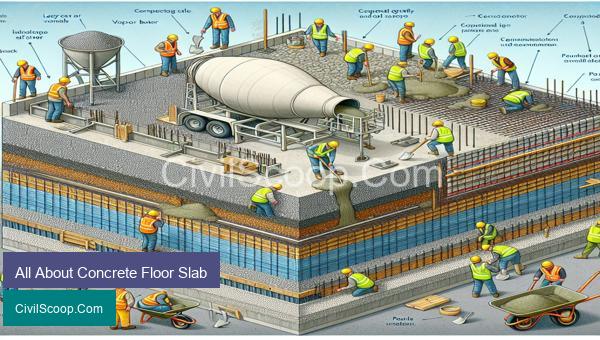
Concrete floor slabs are a popular and versatile flooring option for a wide range of residential, commercial, and industrial spaces. They offer durability, strength, and a sleek, modern look, making them a popular choice among architects, builders, and homeowners alike. However, there is a lot more to concrete floor slabs than just being a basic flooring material. In this article, we will dive deep into all aspects of concrete floor slabs, from their composition and installation process to maintenance and benefits. Whether you are considering installing a concrete floor slab in your home or looking to learn more about this commonly used flooring solution, this article will provide you with all the information you need to know about concrete floor slabs.
Table of Contents
Concrete Floor Slab Construction Process
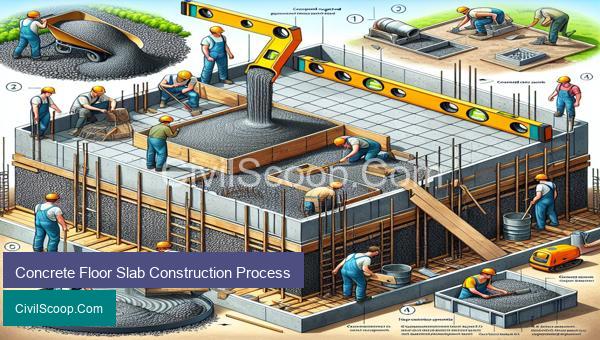
Concrete floor slab construction is a common method used in building construction. It involves pouring a layer of concrete on a prepared surface to create a flat, smooth, and durable floor. The process of constructing a concrete floor slab involves several important stages, which are detailed below.
1. Preparation of the Site: The first step in concrete floor slab construction is to prepare the site. This includes clearing the area of any debris, leveling the ground, and compacting the soil to create a stable and solid base for the slab.
2. Installing the Formwork: Once the site is prepared, the next step is to install the formwork. Formwork is a temporary structure made of wood, plastic, or metal that serves as a mold for the poured concrete. It is essential to ensure that the formwork is level, properly aligned, and securely anchored to the ground to prevent it from shifting during the concrete pour.
3. Setting up Reinforcement: After the formwork is in place, the next step is to install reinforcement. This typically involves laying a grid of steel bars or mesh within the formwork to provide support and increase the strength of the concrete floor slab. The reinforcement should be positioned accurately and secured to the formwork to prevent it from shifting during the pour.
4. Pouring the Concrete: Once the reinforcement is in place, the next step is to pour the concrete. The concrete is usually delivered in a ready-mix truck and poured into the formwork using a pump or by hand. The concrete is spread evenly using shovels or rakes and leveled using screed boards. It is essential to work quickly and efficiently to ensure that the concrete is poured consistently and without interruption.
5. Finishing: After the concrete has been poured, it is time for finishing. This involves using a bull float to smooth the surface and remove any excess water. Then, trowels are used to create a smooth and level finish. The surface can also be stamped or textured to add decorative elements or prevent slipperiness.
6. Curing: Curing is a critical stage in concrete floor slab construction as it allows the concrete to gain its strength and durability. The slab should be kept moist and protected from extreme temperatures for at least seven days to ensure proper curing.
7. Removing Formwork: Once the concrete has cured, the formwork can be removed. Any gaps or voids can be filled with a cement mortar to create a smooth and seamless surface.
8. Sealing: To protect the concrete floor slab from moisture, stains, and damage, it is essential to apply a sealant. This can be in the form of a clear sealant or a decorative coating that also adds aesthetic appeal to the floor.
In conclusion, concrete floor slab construction is a detailed process that requires careful planning, proper materials, and skilled labor. Proper execution of each stage is crucial to ensure a strong, durable, and aesthetically appealing floor that meets the desired specifications and requirements.
Concrete Floor Slab Construction Process
Concrete floor slab construction is a common method used in building construction. It involves pouring a layer of concrete on a prepared surface to create a flat, smooth, and durable floor. The process of constructing a concrete floor slab involves several important stages, which are detailed below.
1. Preparation of the Site: The first step in concrete floor slab construction is to prepare the site. This includes clearing the area of any debris, leveling the ground, and compacting the soil to create a stable and solid base for the slab.
2. Installing the Formwork: Once the site is prepared, the next step is to install the formwork. Formwork is a temporary structure made of wood, plastic, or metal that serves as a mold for the poured concrete. It is essential to ensure that the formwork is level, properly aligned, and securely anchored to the ground to prevent it from shifting during the concrete pour.
3. Setting up Reinforcement: After the formwork is in place, the next step is to install reinforcement. This typically involves laying a grid of steel bars or mesh within the formwork to provide support and increase the strength of the concrete floor slab. The reinforcement should be positioned accurately and secured to the formwork to prevent it from shifting during the pour.
4. Pouring the Concrete: Once the reinforcement is in place, the next step is to pour the concrete. The concrete is usually delivered in a ready-mix truck and poured into the formwork using a pump or by hand. The concrete is spread evenly using shovels or rakes and leveled using screed boards. It is essential to work quickly and efficiently to ensure that the concrete is poured consistently and without interruption.
5. Finishing: After the concrete has been poured, it is time for finishing. This involves using a bull float to smooth the surface and remove any excess water. Then, trowels are used to create a smooth and level finish. The surface can also be stamped or textured to add decorative elements or prevent slipperiness.
6. Curing: Curing is a critical stage in concrete floor slab construction as it allows the concrete to gain its strength and durability. The slab should be kept moist and protected from extreme temperatures for at least seven days to ensure proper curing.
7. Removing Formwork: Once the concrete has cured, the formwork can be removed. Any gaps or voids can be filled with a cement mortar to create a smooth and seamless surface.
8. Sealing: To protect the concrete floor slab from moisture, stains, and damage, it is essential to apply a sealant. This can be in the form of a clear sealant or a decorative coating that also adds aesthetic appeal to the floor.
In conclusion, concrete floor slab construction is a detailed process that requires careful planning, proper materials, and skilled labor. Proper execution of each stage is crucial to ensure a strong, durable, and aesthetically appealing floor that meets the desired specifications and requirements.
Conclusion
In conclusion, concrete floor slabs are a versatile and durable option for a wide range of applications. From residential homes to commercial buildings, these slabs provide a solid foundation that can withstand heavy loads and harsh weather conditions. With proper preparation and installation, concrete floor slabs can also offer a smooth and stable surface for various flooring options. However, it is crucial to understand the different types of concrete slabs and their specific advantages to ensure the best results for your project. With proper maintenance and care, a concrete floor slab can last for decades, making it a cost-effective and practical choice for any construction project. So next time you consider the flooring options for your project, don’t overlook the many benefits of a concrete floor slab.