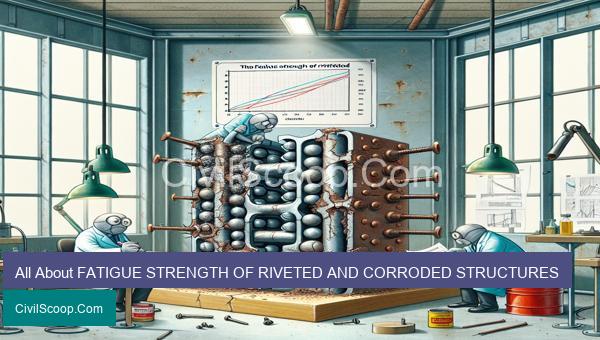
Fatigue strength is a critical factor in determining the structural integrity and safety of riveted and corroded structures. As the effects of fatigue can lead to sudden and catastrophic failure, understanding and accurately predicting the fatigue strength of these types of structures is of utmost importance in the field of engineering. In this article, we will delve into the key considerations and factors that affect the fatigue strength of riveted and corroded structures, providing a comprehensive overview of the subject. By the end, readers will have a deeper understanding of the significance of fatigue strength in their structural designs and how to effectively mitigate against potential failure.
Table of Contents
FATIGUE STRENGTH OF RIVETED AND CORRODED STRUCTURES
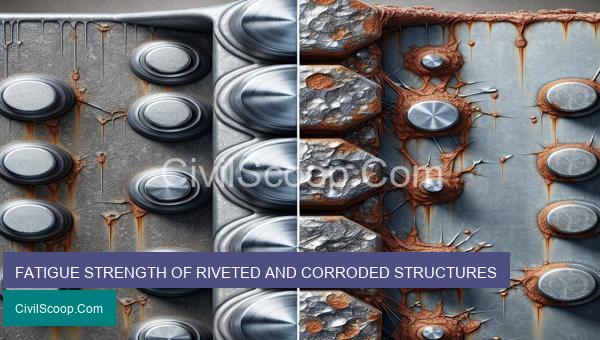
Fatigue strength is an important factor in the design and construction of all structural elements, including riveted structures. A riveted structure is made up of individual components joined together by rivets, which are essentially permanent fasteners. However, just like any other material, the riveted structure is prone to fatigue failure when subjected to repetitive or cyclic loads.
The fatigue strength of a structure refers to its ability to resist cracking or failure when subjected to repeated loading and unloading cycles. Unlike traditional static loading, fatigue loading is much more unpredictable and can result in sudden and catastrophic failure. Hence, it is crucial to consider the effects of fatigue in the design and maintenance of riveted structures.
One of the main factors that affect the fatigue strength of riveted structures is corrosion. Corrosion is the process of deterioration of materials, especially metals, through chemical or electrochemical reactions with the surrounding environment. In riveted structures, corrosion can occur due to exposure to moisture, chemicals, and other environmental factors.
Corrosion can have a significant impact on the structural integrity of riveted structures, leading to reduced fatigue strength. As corrosion progresses, it can weaken the rivet and its surrounding material, making it more susceptible to fatigue failure. This is because the corrosion process creates pits and cracks on the surface, which act as stress concentrators and accelerate fatigue crack growth.
In addition to corrosion, the type and quality of the rivet used in the structure can also affect its fatigue strength. Rivets made of lower quality materials or with defects in their manufacturing process can have lower fatigue strength and may fail under repetitive loading.
To ensure the fatigue strength of riveted structures, proper inspection and maintenance procedures must be followed. Regular inspections and repairs of any cracks or corrosion should be carried out to prevent them from progressing and compromising the structure’s integrity. In some cases, old and heavily corroded rivets may need to be replaced entirely to maintain the structure’s fatigue strength.
Moreover, proper design consideration should be given to the stress concentration areas in the riveted structure, such as the rivet holes and joints. These areas should be designed to distribute the stress evenly and avoid potential stress concentration points that may lead to premature fatigue failure.
In conclusion, fatigue strength is a crucial consideration in the design and maintenance of riveted structures. Proper material selection, maintenance, and inspection procedures must be followed to ensure the structure’s longevity and safety. Frequent inspections and repairs of any corrosion or cracks can significantly extend the fatigue life of riveted structures.
Conclusion
In conclusion, understanding the fatigue strength of riveted and corroded structures is essential for ensuring the safety and longevity of these structures. While riveted joints have been used for centuries, advancements in technology and research have allowed for a better understanding of their fatigue behavior and the factors that can lead to failure. The focus on corrosion in recent years has also shed light on the effects it can have on the fatigue strength of structures, particularly in harsh environments. By considering factors such as material properties, design, fabrication, and maintenance, engineers can effectively mitigate the risks of fatigue failure in riveted and corroded structures. As technology and research continue to advance, it is important to stay up-to-date on the latest findings and recommendations to ensure the safe and efficient