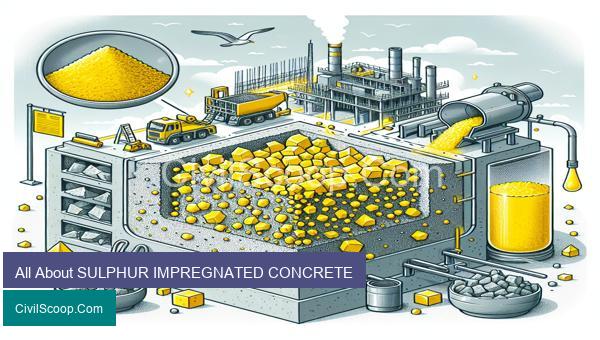
Sulphur impregnated concrete, also known as sulphur concrete, is a durable and environmentally friendly construction material that is gaining popularity in the construction industry. It is made by mixing sulphur with aggregate and a small amount of additives, creating a strong and resilient compound. Over the years, sulphur impregnated concrete has been used in various infrastructure projects, ranging from bridges and pavements to industrial flooring and pipelines. In this article, we will delve into the world of sulphur impregnated concrete, exploring its composition, properties, and applications, and why it has become a go-to choice for sustainable construction.
Table of Contents
SULPHUR IMPREGNATED CONCRETE
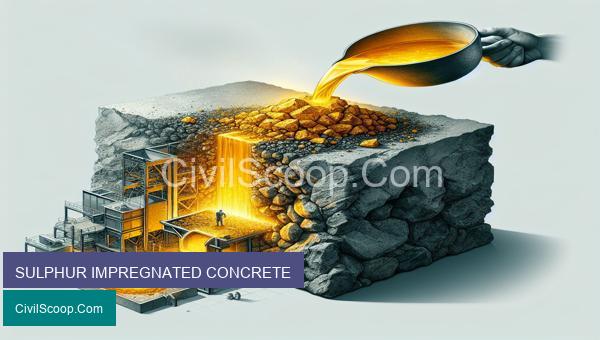
Sulphur impregnated concrete (SIC) is a type of concrete that is reinforced with sulphur impregnated fibers. Unlike traditional concrete, which is reinforced with steel or other materials, SIC utilizes the strength and durability of sulphur to improve the strength, durability, and fire resistance of the concrete.
Sulphur is a naturally occurring element that is often found in underground rock formations. It has a high melting point, making it a suitable material for use in construction and engineering projects. Since sulphur is abundant and inexpensive, it has been used in various forms in construction for many years. However, it was not until the late 1970s that researchers began to explore its use in concrete.
SIC is produced by mixing sulphur impregnated fibers with conventional concrete ingredients, such as cement, water, and aggregate. These fibers are usually composed of carbon, fiberglass, or aramid and are coated with molten sulphur. This process creates a strong bond between the fibers and the sulphur, resulting in a reinforcement material that is compatible with the other concrete components.
One of the main advantages of SIC is its high strength and durability. The sulphur impregnated fibers act as a reinforcement material, similar to steel, but without the risk of corrosion. This makes SIC a more suitable choice for structures that are exposed to harsh environments, such as bridges, marine structures, or chemical plants.
SIC also has high fire resistance due to the high melting point of sulphur. In the event of a fire, the sulphur fibers melt, creating a barrier that prevents the heat from penetrating the concrete. This increases the fire resistance of the structure and can help to contain the fire, protecting the surrounding areas.
Moreover, SIC has been found to have better resistance to chemical degradation compared to traditional concrete. The sulphur impregnated fibers act as a barrier, preventing corrosive substances from penetrating and damaging the concrete. This makes it an ideal choice for structures that are exposed to chemical spills or corrosive environments.
In terms of construction, SIC can be produced using traditional concrete processes and equipment. It can also be easily molded and shaped to fit different forms and structures, making it a versatile material for various construction projects.
Despite its numerous benefits, SIC also has some limitations. The sulphur impregnated fibers can be sensitive to high temperatures, which can cause them to weaken or even melt. Therefore, SIC is not recommended for use in structures that are exposed to high temperatures, such as fire escapes or other emergency exits.
In conclusion, sulphur impregnated concrete is a versatile and innovative material that offers many advantages over traditional concrete. Its high strength, durability, fire resistance, and chemical resistance make it a suitable choice for a wide range of structures, providing long-lasting and cost-effective solutions for the construction industry.
Conclusion
In conclusion, Sulphur Impregnated Concrete (SIC) is a promising and innovative material that offers numerous benefits for construction projects. Its unique properties, such as high strength, durability, and resistance to various chemical attacks, make it suitable for a wide range of applications. Its environmentally friendly nature and cost-effectiveness also add to its appeal. While there are still some challenges to be addressed, the potential of SIC cannot be ignored. As research and development in this area continue, we can expect to see SIC being utilized more extensively in the construction industry in the future, providing a sustainable and efficient solution for our infrastructure needs. So, it is safe to say that SIC is truly revolutionizing the world of concrete construction.