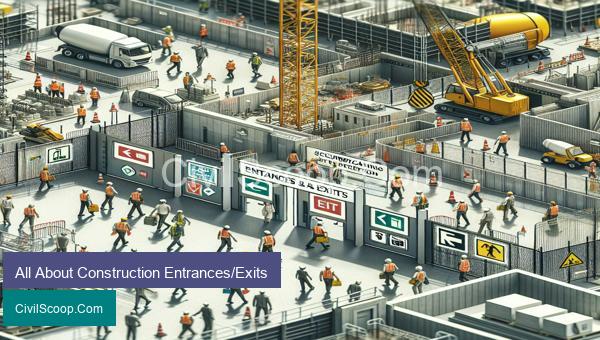
Construction entrances and exits play a crucial role in the safety and efficiency of any construction project. These areas are the primary access points for vehicles, workers, and materials entering and exiting a construction site. However, they also pose potential hazards if not properly managed and maintained. In this article, we will explore the importance of construction entrances and exits, their components, and best practices for creating a safe and functional construction traffic flow. Whether you are a project manager, contractor, or worker, understanding all about construction entrances and exits is essential for a successful and incident-free construction site.
Table of Contents
How to Make Construction Entrances/Exits?
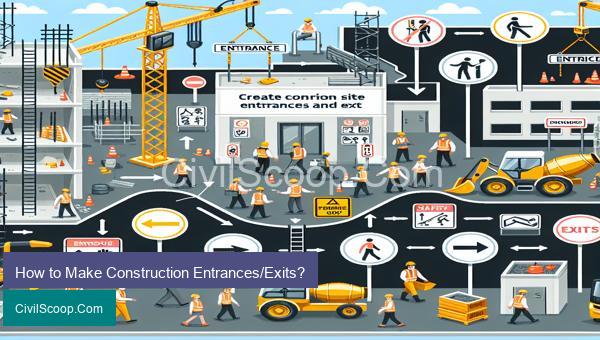
Construction entrances and exits are an essential element in any construction site. They are the access points for vehicles and equipment to enter and exit the site. A well-designed entrance and exit can increase efficiency and safety on the construction site. In this article, we will discuss the steps to make an effective and functional construction entrance/exit.
1. Plan and Design: The first step in making a construction entrance/exit is to plan and design it carefully. Consider the size, location, and type of vehicles and equipment that will be using the entrance/exit. The design should also take into account the expected traffic flow and any environmental factors such as slopes, drainage, and neighboring properties.
2. Obtain necessary Permits: Before starting the construction of the entrance/exit, it is essential to obtain the necessary permits from the relevant authorities. These permits may include temporary road permits, street occupancy permits, and any other permits required by the local authorities.
3. Clear the area: The next step is to clear the area where the entrance/exit will be constructed. This involves removing any obstructions such as trees, rocks, or debris. It is crucial to ensure that the area is level and compacted to support the weight of heavy vehicles and equipment.
4. Construct the Base: The base of the entrance/exit should be strong and capable of withstanding heavy traffic. The base can be made using materials such as gravel, crushed stone, or concrete. The depth of the base will depend on the type and weight of vehicles using the entrance/exit.
5. Add Reinforcements: To increase the strength and stability of the entrance/exit, reinforcements can be added to the base. This can include steel bars, geogrids, or soil stabilization fabrics. These reinforcements help to distribute the weight of vehicles and prevent the base from sinking or deteriorating over time.
6. Install Drainage: Adequate drainage is necessary to prevent water from accumulating on the entrance/exit, which can cause erosion and damage to the base. Drainage systems such as culverts, pipes, or ditches should be installed to channel water away from the entrance/exit.
7. Add Surfacing Material: Once the base is in place, a durable surfacing material should be added to the entrance/exit. This can include asphalt, concrete, or gravel. The material used should be able to withstand heavy traffic and adverse weather conditions.
8. Mark and Sign: It is crucial to clearly mark the entrance/exit to guide traffic flow and prevent accidents. This can be done by painting lines on the surface, adding signs, or installing traffic cones or barriers.
9. Regular Maintenance: To ensure the efficiency and safety of the construction entrance/exit, regular maintenance is necessary. This can include filling any potholes, clearing debris, reapplying surfacing material, and inspecting the drainage systems.
In conclusion, a well-designed and maintained construction entrance/exit is vital for the smooth operation of any construction site. By following these steps, you can create a functional and safe entrance/exit that will facilitate the movement of vehicles and equipment in and out of the construction site.
Planning of Construction Entrance/Exit

Entrance and exit planning is a crucial aspect of construction project management as it determines the flow of traffic and equipment, minimizes disruptions to neighboring properties, and maintains a safe and organized site. A well-planned entrance and exit also contribute to the overall efficiency and productivity of the project.
Here are some key factors to consider when planning the construction entrance and exit:
1. Project Scope and Site Conditions
The first step in planning the entrance and exit is to analyze the project scope and site conditions. This includes the size of the site, the location of the project, and the type of construction activities involved. For example, a high-rise building in a dense urban area will require a different entrance and exit plan compared to a road construction project in a remote area.
2. Traffic Flow and Control Measures
Traffic flow is a critical consideration in entrance and exit planning as it affects the safety of workers, the public, and the movement of construction vehicles. Traffic control measures such as signage, barricades, and flaggers should be strategically placed to guide traffic and minimize congestion. Additionally, a separate entrance and exit for construction vehicles and site personnel should be designated to avoid conflicts.
3. Site Layout and Accessibility
The site layout should be carefully planned to accommodate the designated entrance and exit points. This includes the positioning of access roads, parking areas, and loading zones to ensure they do not interfere with the flow of traffic. The entrance and exit should also be easily accessible to construction vehicles of various sizes, such as trucks and cranes.
4. Erosion Control and Environmental Considerations
Construction activities can cause soil erosion and negatively impact the environment. Therefore, measures must be taken to prevent soil erosion and protect nearby water bodies. This can include the installation of silt fencing, sediment barriers, and other erosion control measures along the entrance and exit points.
5. Safety and Emergency Planning
Safety is of utmost importance in any construction project, and the entrance and exit plan should address potential safety hazards. This includes the placement of fire hydrants, fire exits, and emergency access points. A designated emergency evacuation route should also be planned in case of any unforeseen events.
6. Neighboring Properties and Community Concerns
Construction activities can be disruptive to neighboring properties, particularly in residential areas. It is important to consider community concerns such as noise, dust, and traffic impacts and take appropriate measures to minimize their effects. This can include scheduling noisy activities during non-peak hours, controlling dust emissions, and coordinating with local authorities to manage traffic.
In conclusion, the planning of construction entrance and exit requires careful consideration of various factors such as project scope, traffic flow, site layout, safety, and environmental concerns. A well-designed entrance and exit plan will not only ensure the smooth flow of traffic and equipment but also promote a safe and harmonious working environment. Regular reviews and adjustments to the plan are necessary throughout the construction project to ensure its effectiveness.
Design Recommendation for Construction Entrance/Exit
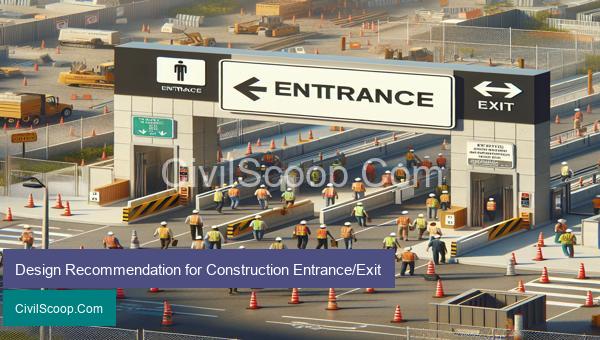
The construction entrance/exit is a critical element in the overall design of any construction project. It serves as a temporary access point for construction vehicles, materials, and personnel while also providing a safe and efficient means of entry and exit to the site. In order to ensure the successful and timely completion of the project, it is important to carefully consider and design the construction entrance/exit. Here are some design recommendations for a construction entrance/exit:
1. Location: The location of the construction entrance/exit should be determined early in the project planning phase. It should be accessible from the public road network and not interfere with the normal traffic flow. Consideration should also be given to the location of adjacent properties and their impacts during construction. The entrance/exit should be located at a point that minimizes the length of haul roads and maximizes the utilization of available space on the construction site.
2. Size and Layout: The size of the entrance/exit should be designed to accommodate the largest construction vehicles that will be using it. It should also allow for the safe movement of these vehicles in and out of the site. The layout of the entrance/exit should be designed in a way that minimizes the intersection of construction traffic with public or adjacent traffic. It should also be wide enough to allow two-way traffic, if necessary, and have enough space for turning and maneuvering.
3. Traffic Control: The construction entrance/exit should be clearly marked and signed to provide clear direction and guidance to construction vehicles. This includes the use of traffic signs, pavement markings, and any other necessary traffic control devices. The entrance/exit should also have a designated flagger or traffic controller to manage the flow of traffic and ensure safety.
4. Surface: The surface of the construction entrance/exit should be designed to withstand heavy loads and repeated use by construction vehicles, while also providing good traction. Gravel or crushed stone is a common surface material used, but it should be well-compacted and maintained to prevent erosion and excessive dust.
5. Drainage: Proper drainage is essential to prevent water from ponding on the entrance/exit surface. It should be designed to divert water away from the construction area to prevent damage and minimize the risk of accidents.
6. Lighting: If construction activities will occur at night or during low-light conditions, adequate lighting should be provided along the construction entrance/exit to ensure safe and efficient movement of vehicles and personnel.
7. Maintenance: Regular maintenance and upkeep of the construction entrance/exit is crucial to keep it functioning properly. This includes repairing any potholes, grading the surface as needed, and removing any accumulated debris.
In conclusion, a well-designed construction entrance/exit plays a critical role in the success of a construction project. It ensures the safe and efficient movement of construction vehicles and personnel, minimizes the impact on public and adjacent traffic, and helps to prevent delays and accidents. By following these design recommendations, the construction entrance/exit can be optimized to support the smooth execution of the project.
Maintenance of Construction Entrance/Exit

Maintenance of construction entrance/exit is an essential aspect of any construction project. It involves the regular upkeep and proper management of the designated entry and exit points on a construction site. These entrances and exits are crucial for the movement of construction materials, equipment, and personnel in and out of the site.
The following are some of the key elements involved in the maintenance of construction entrance/exit:
1. Regular Inspection: The first step in maintaining a construction entrance/exit is to conduct regular inspections. This involves evaluating the condition of the driveway, road, and walkways leading to the site. It is essential to identify and address any potential maintenance issues before they become significant problems.
2.Map out Traffic Control Plan: Before construction begins, it is vital to have a well-defined traffic control plan in place. This plan should consider the flow of vehicles and pedestrians in and out of the worksite. It should also indicate the location of designated parking areas, loading/unloading zones, and any restricted areas. This plan serves as a guide for the smooth movement of traffic and reducing potential risks.
3. Routine Cleaning: Construction sites are known to be busy and messy places. Regular cleaning of the entrance/exit areas is essential to maintain accessibility and safety. This includes sweeping or washing the roadways and walkways, picking up debris, and clearing any obstructions.
4. Repair and Maintenance of Roads: It is crucial to maintain the roads leading to the site, as they are the primary route for construction vehicles and heavy equipment. This involves filling potholes, repairing cracks, and fixing any damaged pavement to ensure smooth and safe movement.
5. Drainage Maintenance: It is necessary to ensure that the construction entrance/exit is built to proper elevation and is correctly graded to promote proper drainage. Standing water can be a hazard and can cause damage to the roadway. Regular maintenance of drainage structures such as gutters, pipes, and catch basins is necessary to prevent clogging and ensure proper flow of water.
6. Erosion Control: Construction sites are at risk of soil erosion and sediment runoff, which can cause damage to the entrance/exit. Regular monitoring and maintenance of erosion control measures, such as silt fences, sediment traps, and erosion blankets, are necessary to prevent these issues.
7. Signage: Proper signage is crucial for controlling traffic flow and ensuring the safety of pedestrians and vehicles on the construction site. Regularly check and replace damaged or faded signs and markings to ensure they are visible and effective.
In conclusion, maintaining a construction entrance/exit is crucial for the safety and smooth operation of a construction site. An organized maintenance plan should be implemented and followed to ensure that the designated entrance/exit areas stay in good condition throughout the project’s duration. Regular maintenance helps prevent potential safety hazards and delays in construction progress caused by damaged or inaccessible entry and exit points.
Conclusion
In conclusion, construction entrances and exits play a vital role in ensuring the safety and efficiency of any construction site. From controlling access and egress, to preventing unauthorized entry and providing emergency exit points, these elements must be carefully planned and executed to meet the specific needs of each project. By understanding the various types of entrances and exits available and implementing appropriate strategies, construction companies can effectively manage their sites and protect the well-being of workers and the general public. It is important to always prioritize safety and adhere to regulations when it comes to construction entrances and exits, as they are crucial components in any successful construction project.