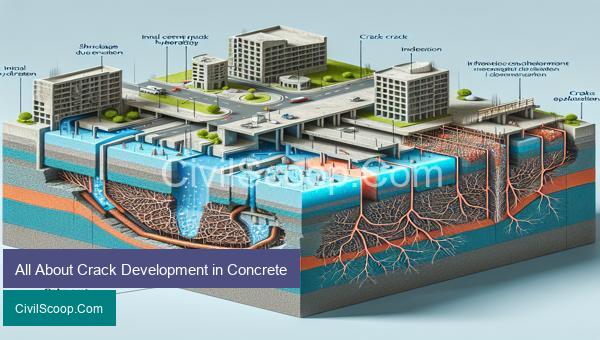
Concrete is one of the most widely used construction materials in the world, known for its strength and durability. However, even the strongest concrete is not immune to flaws and cracks. Crack development in concrete is a widespread problem that can lead to structural damage and compromise the overall quality of a building. In this article, we will explore the different types of cracks in concrete, their causes, and the methods used for crack prevention and repair. Understanding the complexities of crack development in concrete is essential for ensuring the longevity and integrity of any concrete structure.
Table of Contents
How to Reduce the Possibility of Crack Development in Concrete?
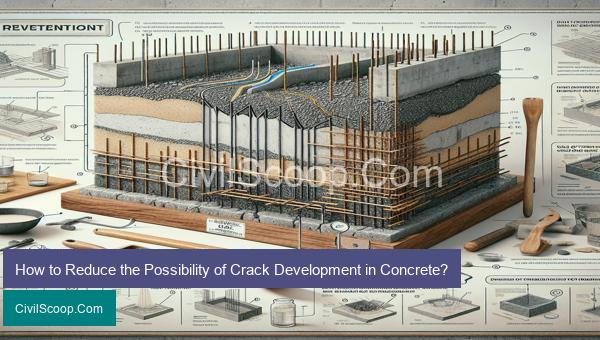
Concrete is a widely used construction material, known for its strength, durability, and versatility. However, one of the common issues with concrete is the development of cracks. Cracks in concrete can affect the structural integrity of a building and also decrease its aesthetic appeal. Therefore, it is essential for civil engineers to take necessary precautions to reduce the possibility of crack development in concrete. Here are some ways to achieve this goal:
1. Proper Mix Design:
The mix design of concrete plays a crucial role in its strength and durability. A well-designed mix should have the right proportion of cement, water, and aggregates to achieve the desired strength. If the mix is too dry, it can result in shrinkage cracks, and if it is too wet, it can lead to plastic shrinkage cracks. Civil engineers should carefully analyze the materials and design a proper mix to prevent these types of cracks.
2. Control the Water-Cement Ratio:
The water-cement ratio is a critical factor that affects the strength and durability of concrete. Higher water-cement ratio results in increased porosity and weakens the concrete, making it prone to cracks. Civil engineers must control this ratio by using less water or using admixtures to reduce the water content without compromising the workability of concrete.
3. Proper Curing:
Curing is a vital process in concrete construction, which involves keeping the concrete moist and at the right temperature to allow it to gain strength and minimize shrinkage. If concrete is not properly cured, it can lead to plastic shrinkage cracks. Civil engineers must ensure that concrete is adequately cured for at least seven days to prevent the development of cracks.
4. Avoid Rapid Drying:
Rapid drying of concrete leads to plastic shrinkage cracks. This happens when the surface of the concrete dries out faster than the inside, causing the concrete to shrink and crack. To avoid this, civil engineers can use curing compounds or cover the concrete with plastic sheeting to keep the moisture in and slow down the drying process.
5. Proper Reinforcement:
Reinforcements such as steel bars and fibers are used to enhance the strength and ductility of concrete. Proper placement and distribution of reinforcements are crucial to prevent cracking in concrete structures. Civil engineers must ensure that the reinforcements are placed at the right locations and spaced evenly to resist cracking due to temperature and moisture changes.
6. Jointing:
Construction joints, contraction joints, and expansion joints are used to control the cracking in concrete. Construction joints are used to separate the concrete into manageable sections, while contraction and expansion joints are used to allow for the movement of concrete due to temperature and moisture changes. Civil engineers should carefully design and place joints to avoid random cracking.
7. Quality Control:
Proper quality control measures should be in place to ensure that all the materials used in concrete construction meet the required standards. This includes testing the materials before use, monitoring the quality of concrete on-site, and inspecting the construction process to identify any potential causes of cracks and address them promptly.
In conclusion, preventing cracks in concrete requires a combination of proper design, construction techniques, and quality control. Civil engineers must pay attention to all the factors mentioned above to reduce the possibility of crack development in concrete and ensure the durability and safety of structures.
Conclusion
In conclusion, crack development in concrete is a complex and important issue that requires proper understanding and management. Whether it’s due to shrinkage, thermal changes, or external factors, cracks can significantly affect the strength and durability of concrete structures. By following proper construction practices, using appropriate reinforcement, and implementing scheduled maintenance, crack development can be minimized and structural integrity can be preserved. It is crucial for engineers, contractors, and owners to have a comprehensive understanding of the causes and effects of crack development in concrete in order to ensure the long-term reliability of these vital structures.