
Plaster is a vital component in the construction process, used to provide a smooth and even finish to walls and ceilings. However, despite its importance, plaster can also be prone to a range of defects that can be costly and time-consuming to repair. In this article, we will delve into the world of plaster defects and provide insights and tips on how to prevent them during the construction stage for a flawless finish. From identification to prevention, we will explore the common causes of plaster defects and how to mitigate them to ensure a successful and efficient construction process. Whether you are a contractor, builder, or homeowner, this article will equip you with the knowledge and tools to prevent plaster defects and achieve a flawless finish in your next construction project.
Table of Contents
How to Prevent Plaster Defects in Construction Phase?
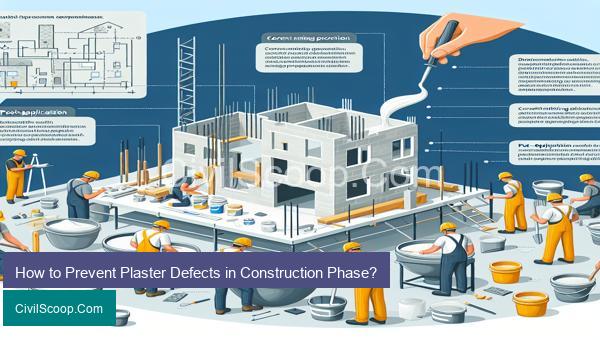
Plaster is an important aspect of the construction process, as it provides a smooth and attractive finish to walls and ceilings. However, plaster defects can occur during the construction phase, leading to potential problems such as cracking, peeling, and discoloration. These defects not only affect the aesthetic appearance of the building but also compromise its structural integrity. Therefore, it is crucial to take measures to prevent plaster defects during the construction phase. Here are some steps that can be taken to prevent plaster defects:
1. Proper Mixing and Application: The first step to prevent plaster defects is to ensure that the plaster mix is of good quality and is applied correctly. Properly mix the plaster with the recommended proportion of water to achieve a smooth and consistent texture. Use clean sand and water-free from impurities to prevent any chemical reactions that may affect the plaster’s durability. Additionally, avoid applying the plaster in extreme weather conditions like high humidity or direct sunlight, as it can lead to cracks and discoloration.
2. Use of Appropriate Materials: It is important to use high-quality materials for plastering, such as cement, sand, lime, and water. Inferior quality materials can result in weak and porous plaster, making it susceptible to cracks and other defects. It is also essential to ensure that the materials used are compatible with each other to prevent any chemical or physical reactions that may cause defects.
3. Adequate Ventilation: Proper ventilation is crucial during the plastering process to allow the plaster to dry evenly. Insufficient or excessive ventilation can lead to uneven drying, resulting in cracks, peeling, or discoloration. If possible, use dehumidifiers or fans to maintain a controlled environment suitable for plastering.
4. Maintain Consistent Thickness: Uneven thicknesses of plaster can cause problems such as bulging, cracking, and flaking. It is important to maintain a consistent thickness while applying the plaster to avoid such defects. Use the recommended thickness of plaster for different surfaces, such as walls, ceilings, or corners.
5. Check for Structural Defects: Before starting the plastering process, it is essential to check for any structural defects that may compromise the plaster’s integrity. These defects should be fixed before applying the plaster to prevent future problems.
6. Allow Sufficient Drying Time: After the application of plaster, it is crucial to allow sufficient drying time before applying subsequent coats or finishing layers. Rushing the process can lead to cracks and defects in the finished plaster. Generally, plaster needs around 24 hours to dry, but the actual time may vary depending on the temperature and humidity levels.
7. Proper Curing: Curing is the process of keeping the plaster moist to prevent it from drying too quickly. It is essential to maintain the moisture level in the plaster, especially in hot and dry weather conditions. Sprinkle water or use a curing compound to keep the plaster moist for at least 48 hours after the application.
In conclusion, preventing plaster defects during the construction phase requires properly mixing and applying the plaster, using high-quality materials, adequate ventilation, maintaining consistent thickness, checking for structural defects, allowing sufficient drying time, and proper curing. These measures can help ensure a smooth and durable plaster finish, enhancing the overall quality of the building. Additionally, regular inspections and maintenance of the plaster can also help identify and fix any potential defects before they become more significant problems.
Conclusion
In conclusion, understanding common plaster defects and how to prevent them during the construction stage is crucial for any building project. By adhering to proper techniques and taking precautions, such as using good quality materials, maintaining proper humidity levels, and allowing sufficient curing time, these issues can be avoided or minimized. Regular inspection and maintenance should also be carried out to ensure long-lasting and durable plaster work. By taking these measures, not only will the final result be aesthetically pleasing, but also ensure the structural integrity of the building. With the knowledge and precautions outlined in this article, contractors, builders, and homeowners can achieve a high-quality and defect-free plaster finish.