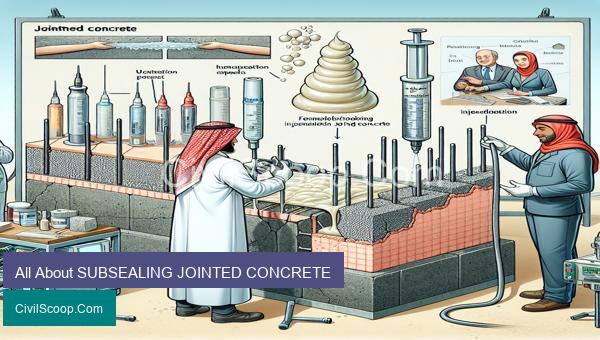
When it comes to keeping building structures strong, durable, and long-lasting, proper sealing is essential. One commonly used method is subsealing jointed concrete. This process involves sealing the joints of concrete slabs to prevent moisture from seeping in, which can lead to cracks, deterioration, and a weakened foundation. In this article, we will delve into all the important aspects of subsealing jointed concrete, including its benefits, methods, and materials used. By understanding the importance and techniques of subsealing, you can ensure the stability and longevity of your concrete structures.
Table of Contents
SUBSEALING JOINTED CONCRETE PAVEMENTS
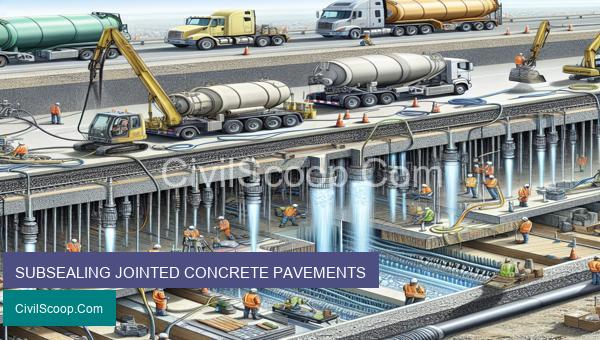
Subsealing is an important aspect of constructing jointed concrete pavements that ensures their durability, longevity, and overall performance. It refers to the process of sealing the joints and cracks between adjacent concrete slabs in a pavement system to prevent water infiltration, reduce the potential for faulting and other distresses, and maintain a smooth riding surface.
Jointed concrete pavements are commonly used in highways, airports, and other heavy traffic areas due to their superior load-carrying capacity and flexibility. However, their joints and cracks can be vulnerable to damage from environmental factors such as freeze-thaw cycles, heavy traffic loads, and water intrusion. Subsealing the joints is therefore essential to protect the pavement structure and ensure its long-term performance.
The first step in subsealing jointed concrete pavements is to install dowel bars, tie bars, or other load transfer devices at the joints to prevent uneven settlement and faulting. After that, the joints and cracks are cleaned and prepared by removing any debris or loose materials. This is crucial to ensure proper adhesion between the sealing material and the concrete surface.
The sealing material used for subsealing can be either hot-pour asphalt rubber sealant or silicone sealant. The selected material should be able to withstand the anticipated traffic loads and environmental conditions. The sealant is applied into the joint or crack using specialized equipment such as hot-pour sealant melter and pressure applicator. It is important to ensure that the sealant fills the entire joint or crack, leaving no air pockets or gaps.
After the sealant is applied, it is leveled and compacted to ensure a smooth and uniform surface. Excess material is scraped off the surface using a joint spud or trowel. The sealant is then allowed to cure and bond with the concrete, creating a watertight seal.
Subsealing can also be combined with joint resealing, which involves the removal of the old sealant and replacing it with a new one. This is typically done when the existing sealant is deteriorating or has lost its adhesion with the concrete.
In addition to protecting the pavement structure, subsealing also improves the riding quality of the pavement by reducing vibrations and noise caused by uneven joints. It also helps to minimize maintenance costs and prolong the service life of the pavement, resulting in cost savings for the owner.
In conclusion, subsealing jointed concrete pavements is a critical process in pavement construction and maintenance. It helps to mitigate the effects of environmental factors and heavy traffic, ensuring the durability and performance of the pavement over its lifespan. Properly sealed joints and cracks not only improve the safety and functionality of the pavement but also provide a smooth and comfortable driving experience for roadway users.
Conclusion
In conclusion, understanding the importance of subsealing jointed concrete is crucial for a successful and long-lasting construction project. By following the proper techniques and using high-quality materials, subsealing can effectively prevent water infiltration, maintain structural integrity, and extend the lifespan of concrete structures. It is also essential to regularly inspect and maintain subsealed joints to identify any potential issues and address them promptly. By incorporating subsealing into construction plans and maintenance protocols, we can ensure the durability and sustainability of our built environment for years to come.