Table of Contents
All About Construct a Concrete Building
Constructing a building is a complex and challenging process that involves various stages and techniques to create a strong and durable structure. One of the most popular methods of construction is using concrete, a versatile and reliable building material that has been used for centuries. In this article, we will delve into the fascinating world of constructing a concrete building, exploring its benefits, process, and different considerations to keep in mind when embarking on a concrete construction project. Whether you are a construction professional or simply looking to gain knowledge about building materials, this article will provide a comprehensive overview of all you need to know about constructing a concrete building.
How to Construct a Concrete Building: A Step-by-Step Guide
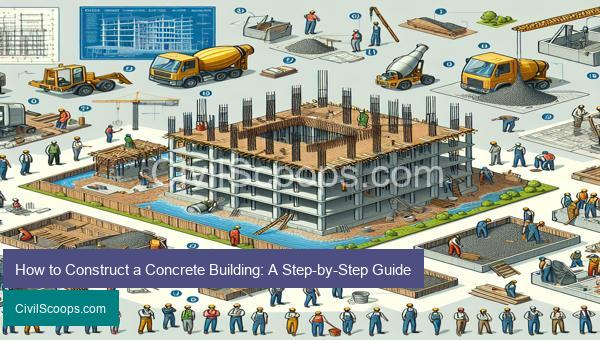
Constructing a concrete building is a complex and multi-phased process that involves careful planning, design, and construction. Concrete is one of the most widely used construction materials due to its strength, durability, and versatility. In this guide, we will outline the step-by-step process of constructing a concrete building.
Step 1: Pre-Construction Phase
The first step in constructing a concrete building is the pre-construction phase. This phase involves conducting a site survey to determine the condition of the soil and the site’s suitability for building. Design plans and blueprints are also created during this phase, which includes the layout of the building, foundation plans, and structural details.
Step 2: Excavation
After the site has been surveyed and the design plans have been finalized, the next step is excavation. This involves clearing and leveling the land to create a level foundation for the building. The specific dimensions and depths of the excavation will depend on the design plans and the type of foundation required.
Step 3: Foundation
The foundation is a crucial element in any building, and it must be strong and stable to support the weight of the structure. The most common types of foundations for concrete buildings are shallow and deep foundations. Shallow foundations are used for low-rise structures, while deep foundations are used for high-rise buildings. The foundation is built using concrete, steel rebar, and formwork.
Step 4: Formwork
Formwork is the temporary structure that is used to hold the concrete in place while it sets and hardens. It is typically made of wood, steel, or aluminum and is customized according to the building’s design. The formwork is carefully assembled and placed over the foundation before concrete is poured.
Step 5: Reinforcement
Before pouring the concrete, steel reinforcing bars, or rebar, are placed inside the formwork. Rebar is used to reinforce and strengthen the concrete as it provides support to withstand the building’s weight and external forces such as wind and seismic activity.
Step 6: Pouring Concrete
Once the formwork and reinforcement are in place, it is time to pour the concrete. The concrete is typically delivered by truck and pumped into the formwork using a pipe. The concrete is then spread and leveled using hand tools and vibrators to remove any air pockets and ensure a smooth finish.
Step 7: Curing
After the concrete is poured and leveled, it is left to cure. Curing is a critical process as it allows the concrete to gain strength and hardness. The curing process can take several days or weeks, depending on the type of concrete used, weather conditions, and the size of the building.
Step 8: Vertical Structure
Once the foundation has cured, the building’s vertical structure can begin. This involves repeating the same process of forming, reinforcing, and pouring concrete to create walls, columns, and beams. The vertical structure will also include windows, doors, and other openings as per the design plans.
Step 9: Roof Construction
Once the walls and columns are in place, the roof construction can begin. This involves installing trusses, beams, and joists to support the roof, which can be made of various materials such as concrete, steel, or wood.
Step 10: Finishes
The final step in constructing a concrete building is adding finishes. This includes adding insulation, drywall, flooring, paint, and other finishes to the interior and exterior of the building, according to the
Preconstruction Activities For Construct a Concrete Building
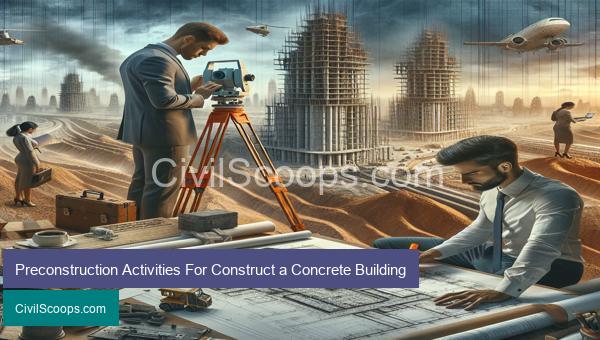
Preconstruction activities play a crucial role in the successful construction of any building, especially when it comes to constructing a concrete building. These activities are essential as they lay the foundation for the entire project and ensure that the construction process goes smoothly and efficiently. In this article, we will discuss the various preconstruction activities that need to be undertaken before constructing a concrete building.
Site Investigation and Analysis
The first step in the preconstruction process is to conduct a site investigation and analysis. This involves identifying and evaluating the condition of the site where the building will be constructed. Factors such as soil type, topography, water table level, and existing structures on the site need to be assessed to determine the suitability of the site for constructing a concrete building. The results of the site investigation will also help in designing the foundation and structural elements of the building.
Design and Planning
After the site investigation, the design and planning phase begins. This phase includes the preparation of detailed architectural and structural drawings and plans. These drawings and plans serve as a guide for the construction process and also help in obtaining necessary approvals from the relevant authorities. The design and planning phase also involve identifying the type and quantity of materials required for the building, preparing a construction schedule, and estimating the project cost.
Obtaining Permits and Approvals
Before any construction can begin, all necessary permits and approvals from the local authorities need to be obtained. These include building permits, environmental permits, and zoning approvals. This process may vary depending on the location and size of the building. It is crucial to ensure that all permits and approvals are obtained before starting the construction to avoid any delays or legal issues later on in the project.
Material Procurement
Once the design and planning are finalized, the next step is to procure all the necessary materials for the construction. This includes sourcing quality concrete, steel, cement, and other building materials. It is essential to source materials from reputable suppliers to ensure the quality and timely delivery of materials. The materials need to be stored in a secure and organized manner to prevent any damage or theft.
Hiring Contractors and Subcontractors
Most construction projects require the involvement of different contractors and subcontractors. The preconstruction phase is when these contractors and subcontractors are hired, and contracts are signed. These contracts should include detailed specifications, timelines, and budgets to avoid any conflicts during the construction process.
Mobilization of Equipment and Tools
It is crucial to have all the necessary equipment and tools ready before starting the construction. This includes earthmoving equipment, cranes, scaffolding, and other necessary tools and equipment. Proper planning and scheduling are required to ensure that the equipment and tools are available at the right time and at the right place.
Site Preparation
Before the actual construction can begin, the site needs to be prepared properly. This includes clearing the site, grading the land, and setting up temporary utilities such as electricity, water, and sanitary facilities.
In conclusion, preconstruction activities are critical in the construction of a concrete building. Proper planning, site investigation, and analysis, design and planning, obtaining permits and approvals, material procurement, hiring contractors and subcontractors, mobilization of equipment, and site preparation are some of the essential preconstruction activities that need to be carried out meticulously to ensure the successful completion of the project. It is crucial to invest time and effort in the preconstruction phase to avoid any delays, increase efficiency, and ensure the safety of everyone involved in the construction process.
Post-contract Activities For Construct a Concrete Building
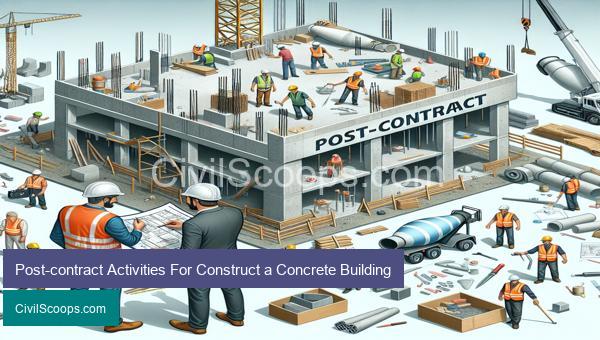
Post-contract activities refer to the various tasks and responsibilities that need to be carried out after the contract for constructing a concrete building has been awarded. These activities are crucial to ensuring the successful completion of the project within the agreed timeframe and budget. As a civil engineer, here are some key post-contract activities that you will be involved in for constructing a concrete building:
1. Project Scheduling and Management:
Once the contract has been awarded, the first step is to develop a detailed project schedule and establish a management plan. This will involve identifying the critical path for the project, setting milestones, and allocating resources accordingly. As a civil engineer, you will be responsible for overseeing the project management team and ensuring that the construction progresses as per the schedule.
2. Procurement and Material Management:
The next step is to procure the required materials and equipment for the construction of the concrete building. This involves sourcing materials that meet the required quality standards at the most economical prices. As a civil engineer, you will need to closely monitor the procurement process and ensure that the materials are delivered on time to avoid any delays in construction.
3. Quality Control and Assurance:
Ensuring the quality of construction is a critical post-contract activity. As a civil engineer, you will be responsible for setting up a quality control and assurance plan to monitor the construction process and ensure that it adheres to the specifications and standards set in the contract. This may involve conducting regular inspections, testing materials, and reviewing construction methods to identify and address any potential issues.
4. Safety Management:
Construction sites can be hazardous, and safety is of utmost importance. As a civil engineer, you will need to ensure that all safety measures are in place to protect the workers as well as the public. This may involve conducting safety briefings, overseeing safety drills, and regularly inspecting the site to identify any potential hazards.
5. Change Management:
During the construction process, it is not uncommon for changes to be requested by the client or required due to unforeseen circumstances. As a civil engineer, you will be responsible for evaluating these changes and their impact on the schedule, cost, and quality of the project. It will be your responsibility to negotiate and agree on suitable solutions with the client and communicate any changes to the construction team.
6. Progress Reporting:
As the project progresses, it is essential to keep the client informed about the progress made, any issues encountered, and the actions taken to address them. As a civil engineer, you will need to prepare progress reports at regular intervals and communicate them to the client as per the agreed schedule.
In conclusion, a successful post-contract process is vital for the timely and cost-effective completion of a concrete building construction project. As a civil engineer, you will play a critical role in managing these activities, ensuring adherence to quality standards, and communicating with the client to ensure their satisfaction with the final product.
Conclusion
In conclusion, constructing a concrete building requires careful planning, technical expertise, and a strong foundation. From site preparation to pouring and curing the concrete, every step must be executed with precision to ensure a durable and safe structure. With advancements in technology and materials, constructing concrete buildings has become more efficient, cost-effective, and environmentally sustainable. It is crucial to collaborate with experienced and reputable professionals to ensure the success of your project. By following the proper guidelines and techniques, a well-constructed concrete building can withstand the test of time and provide a solid foundation for many years to come.