
Construction waste is an inevitable byproduct of the booming construction industry. It includes various materials such as concrete, wood, bricks, insulation, and more, that are discarded during building projects. The management and disposal of this waste is not only an environmental concern but also a legal requirement in many countries. In this article, we will delve into the topic of construction waste and explore safe and efficient ways to handle and dispose of it. From best practices to regulations, we will provide an in-depth understanding of how to manage construction waste responsibly.
Table of Contents
How to dispose of Construction Waste Safely?
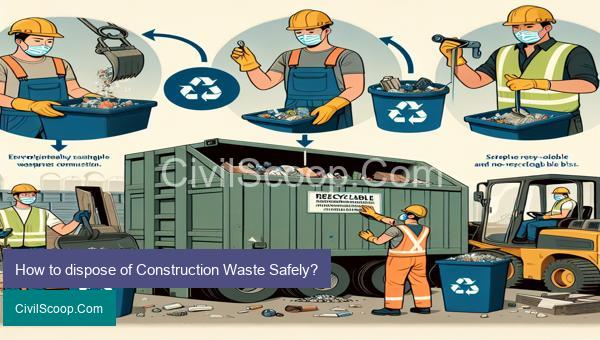
Construction waste can be defined as any material, debris, or substances that are produced from construction activities such as building, renovation, or demolition. This waste can include concrete, bricks, wood, metals, plastics, and other hazardous materials. As a responsible civil engineer, it is crucial to dispose of construction waste safely to protect the environment and public health.
Here are some efficient ways to dispose of construction waste safely:
1. Separate Waste Materials: The first step in safe disposal of construction waste is to properly separate the different types of waste materials. This ensures that hazardous materials are not mixed with non-hazardous ones, making it easier for disposal and recycling.
2. Recycling: Recycling of construction waste is an essential aspect of sustainable waste management. Many waste materials such as concrete, bricks, and metals can be recycled and reused in new construction projects. This helps to reduce the need for new raw materials, conserve energy, and reduce the overall environmental impact.
3. Reduce the Amount of Waste Generated: As a civil engineer, it is important to design buildings and structures with waste reduction in mind. This can include using prefabricated materials, modular construction techniques, and designing for efficient material use. By reducing the amount of waste generated, the need for disposal decreases, and the impact on the environment is minimized.
4. Use Proper Disposal Methods: For waste materials that cannot be recycled, proper disposal methods should be followed. This can include using waste containers, dumpsters, and waste disposal sites designated by local authorities. It is important to ensure that these sites are designed to handle construction waste and are legally permitted to do so.
5. Hazardous Material Disposal: Construction waste may contain hazardous materials such as asbestos, lead, and chemicals. It is crucial to identify and dispose of these materials properly, following all safety regulations and guidelines. These materials should never be mixed with other waste and should be transported by licensed professionals for proper disposal.
6. Partner with Responsible Waste Management Companies: As a civil engineer, it is essential to partner with responsible waste management companies to ensure that construction waste is disposed of safely. These companies have the expertise and resources to handle construction waste properly, and they can provide documentation and reports to track waste disposal.
In conclusion, proper disposal of construction waste is essential for the protection of the environment and public health. As a civil engineer, it is your responsibility to design and construct buildings and structures with waste reduction in mind. By separating waste materials, recycling, reducing waste generation, using proper disposal methods, and partnering with responsible waste management companies, the safe disposal of construction waste can be achieved. Let us all work together to create a sustainable future by responsibly managing construction waste.
Disposal Methods Based on Type of Construction Waste
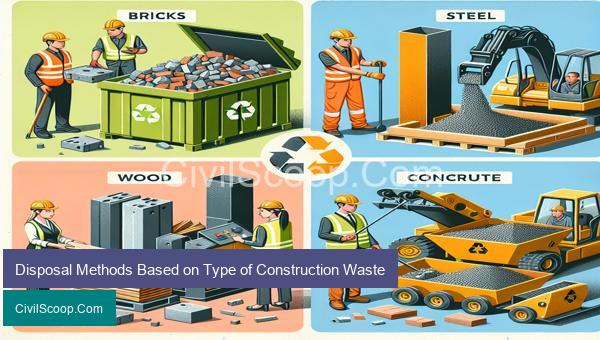
Construction waste, also known as construction and demolition (C&D) waste, refers to materials that are generated during the construction, renovation, or demolition of buildings, roads, bridges, and other structures. According to the U.S. Environmental Protection Agency, construction waste accounts for about 40% of the total solid waste generated in the country. To minimize the negative impact of construction waste on the environment, proper disposal methods must be employed. The type of construction waste determines the disposal method to be used. Let’s take a closer look at the disposal methods based on the type of construction waste.
1. Inert Waste
Inert waste is non-hazardous and does not undergo any physical, chemical or biological transformations. Some examples of inert waste are sand, brick, concrete, and soil. This type of waste can be reused or recycled as fill material for construction projects. It can also be used as a base or sub-base material in road construction. Inert waste can be disposed of in landfills specifically designed for inert materials.
2. Wood Waste
Wood waste includes wood scraps, pallets, and lumber generated during construction work. Instead of disposing of these materials as waste, they can be reused or recycled. Wood waste in good condition can be used for other construction projects, furniture making or carpentry. Recycled wood can be used as fuel for energy production. Any leftover wood waste can be sent to a wood recycling facility or a local composting facility.
3. Metal Waste
Metal waste, such as steel, copper, and aluminum, is commonly generated during the construction process. Metal waste can be recycled multiple times without losing its properties, making it an ideal material for recycling. Scrap metal can be sold to metal recycling facilities where they are melted down and reused in the production of new metal products.
4. Plastics and Polystyrene Waste
Plastics and polystyrene waste are commonly used in packaging materials like plastic sheeting, wrap, and Styrofoam. These materials can be sent to specialized recycling facilities where they are shredded and melted down to produce new plastic products.
5. Non-inert Waste
Non-inert waste contains substances that are hazardous to the environment, such as asbestos, lead, and mercury. These materials must be handled with utmost care and disposed of properly according to local regulations. The disposal of non-inert waste often requires special permits and must be done by licensed professionals.
6. Hazardous Waste
Hazardous waste, such as paints, solvents, adhesives, and batteries, is strictly regulated due to its potential harm to human health and the environment. These materials must be disposed of according to strict regulations set by the local authorities. Proper labeling and handling must be done to ensure the safe transportation and treatment of hazardous waste.
In conclusion, proper disposal methods for construction waste are vital to minimize the environmental impact of the construction industry. As a civil engineer, it is important to ensure that all construction waste is managed and disposed of properly according to its type. This not only protects the environment but also conserves resources and reduces the cost of construction projects.
How to Dispose of NonHazardous Construction Waste Safely?

Construction activities generate a large amount of waste that needs to be properly disposed of to prevent negative impacts on the environment. Non-hazardous construction waste includes materials such as wood, metal, concrete, bricks, and dirt. It is essential to dispose of non-hazardous waste safely and responsibly to reduce pollution, conserve resources, and comply with local regulations. Here are some steps to help you dispose of non-hazardous construction waste safely.
1. Segregate Waste: The first step is to separate non-hazardous waste from hazardous waste. Have designated containers or areas for each type of waste to prevent contamination. This will make it easier to handle and dispose of waste later on.
2. Reuse and Recycle: Before disposing of any non-hazardous waste, consider if it can be reused or recycled. Many construction materials, such as wood, metal, and concrete, can be reused or recycled for future projects. This reduces the need for new resources and minimizes the amount of waste that ends up in landfills.
3. Donate or Sell: You can also donate or sell items that are in good condition, such as fixtures, appliances, or furniture. Reach out to local non-profit organizations or second-hand stores to see if they are interested in accepting your donations. This not only reduces waste but also benefits the community.
4. Contact a Waste Management Company: If you have a large amount of non-hazardous waste to dispose of, it is best to contact a reputable waste management company. They have the necessary equipment and expertise to handle different types of waste and will ensure that it is disposed of safely and legally.
5. Use a Licensed Disposal Facility: If you choose to handle the disposal yourself, make sure to use a licensed disposal facility. These facilities comply with regulations and have the necessary permits to handle and dispose of construction waste properly.
6. Composting: If you have organic waste such as yard waste, wood chips, or sawdust, consider composting them. Composting is an eco-friendly way to dispose of organic waste while producing nutrient-rich soil for gardening.
7. Follow Local Regulations: It is essential to be aware of the regulations for waste disposal in your area. Different areas may have specific rules and requirements for disposing of construction waste. Some areas may require a permit, while others may restrict certain types of waste. Make sure to check with your local authorities to avoid any penalties or fines.
In conclusion, disposing of non-hazardous construction waste safely and responsibly is crucial for protecting the environment and complying with regulations. By following the steps above, you can properly manage and dispose of construction waste, reducing its impact on the environment and conserving resources for future generations. Remember always to prioritize reuse and recycling before disposing of any waste.
How to Dispose of Hazardous Construction Waste Safely?

As a civil engineer, one of your roles is to ensure that construction projects are carried out safely and responsibly. This includes proper disposal of hazardous construction waste. Hazardous construction waste refers to any materials or substances that pose a threat to human health or the environment.
Proper disposal of hazardous construction waste is important for several reasons. Improper disposal can lead to contamination of soil, water, and air, which can have serious consequences for both human health and the environment. It is also a legal requirement to dispose of these waste materials responsibly, as failure to do so can result in fines or legal action.
So, here are some steps you can follow to ensure the safe disposal of hazardous construction waste:
1. Identify and classify the waste: The first step is to identify and classify the waste materials on your construction site. This can include materials such as asbestos, lead-based paint, solvents, adhesives, and other chemicals. Proper classification will help in determining the appropriate disposal method.
2. Store waste properly: Hazardous construction waste should be stored in designated containers that are labeled clearly with the type of waste and any potential hazards. These containers should also be kept in a secure area to prevent any accidental spills or leaks.
3. Follow regulations and guidelines: There are specific regulations and guidelines for the disposal of hazardous construction waste, which may vary depending on your location. It is important to research and follow these regulations to ensure compliance and proper disposal.
4. Hire a licensed waste disposal company: It is recommended to hire a licensed waste disposal company to handle hazardous construction waste. These companies have the expertise and equipment necessary to safely transport and dispose of the waste in an environmentally-friendly manner.
5. Use appropriate disposal methods: The disposal method for hazardous waste will depend on its classification. Methods such as landfill disposal, incineration, chemical treatment, or recycling may be used. It is important to follow the recommended method for each type of waste to ensure proper disposal.
6. Monitor and document disposal: It is crucial to monitor and document the disposal process to ensure compliance with regulations. Keep records of the type and quantity of waste disposed of, the disposal method used, and the disposal company details.
7. Educate and train workers: Proper training and education of all workers on the construction site is important. This will help prevent improper handling and disposal of hazardous waste, which can lead to accidents and environmental damage.
In conclusion, as a civil engineer, it is your responsibility to ensure that hazardous construction waste is disposed of safely and responsibly. Following these steps will not only ensure compliance with regulations but also protect human health and the environment. It is important to continuously monitor and review your waste management practices to identify any areas for improvement. By taking these steps, you are contributing to a cleaner and safer construction industry.
Conclusion
In conclusion, managing construction waste safely is crucial for the sustainability and environmental impact of the building industry. By using proper disposal methods, recycling materials, and implementing preventative measures, construction companies, builders, and individuals can significantly reduce the amount of waste being sent to landfills and promote a more sustainable future. It is important for all stakeholders to prioritize responsible waste management practices in order to protect the environment and preserve our planet for future generations. Let us strive to make construction waste management a top priority and work towards a greener and cleaner future.