
The construction industry is a complex and dynamic environment that involves numerous stakeholders, processes, and materials. To ensure the successful completion of a project, it is crucial to have an efficient and effective supply chain management system in place. This involves the planning, coordination, and control of the flow of materials and information from suppliers to end-users. In this article, we will delve into the various aspects of effectively managing construction supply chain and the benefits it provides to the industry. From understanding the key components of a supply chain to implementing strategic management practices, we will explore the ways in which construction companies can optimize their supply chain to drive project success and profitability.
Table of Contents
How to Effectively Manage Construction Supply Chain?
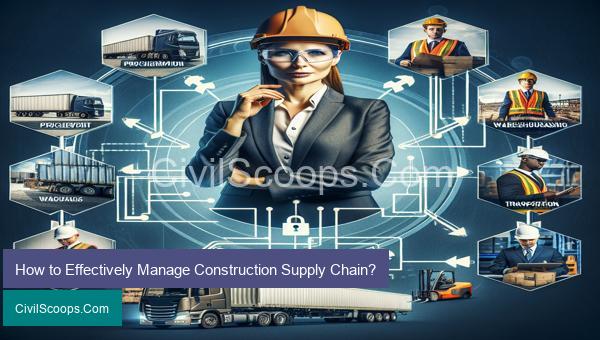
Construction supply chain management is a critical aspect of any construction project. The success of the project largely depends on the efficient management of the supply chain. A well-managed supply chain can lead to cost savings, timely delivery of materials, and improved project quality. Here are some tips on how to effectively manage construction supply chain:
1. Identify Risks and Develop a Contingency Plan: The first step in effective supply chain management is to identify potential risks and develop a contingency plan to mitigate them. This can include risks such as delays in material delivery, price fluctuations, or shortages. Having a well-defined contingency plan can help minimize the impact of such risks on the project.
2. Build Strong Relationships with Suppliers: Successful supply chain management requires strong relationships with suppliers. It is essential to build a strong working relationship with reliable suppliers who can provide quality materials at competitive prices. Developing long-term relationships with suppliers can also lead to better deals and faster delivery of materials.
3. Maintain Adequate Inventory Levels: Maintaining appropriate inventory levels is crucial in managing construction supply chain. Too much inventory leads to storage and carrying costs, while too little inventory can result in project delays and increased costs. A good inventory management system helps track and manage inventory levels to ensure that materials are available when needed.
4. Utilize Technology and Automation: Advancements in technology and automation have revolutionized supply chain management. The use of software tools and automated systems can help streamline processes, increase efficiency, and reduce errors in managing the supply chain. This leads to a more organized and cost-effective approach to construction supply chain management.
5. Communication and Collaboration: Effective communication and collaboration among all stakeholders are crucial in managing the construction supply chain. It is essential to have regular meetings with suppliers, contractors, and other involved parties to discuss project progress, potential issues, and find solutions collaboratively. This helps in avoiding delays and other problems that can be caused by miscommunication.
6. Implement Lean Principles: The concept of Lean Management focuses on eliminating waste and continuously improving processes. Applied to construction supply chain management, Lean principles can lead to better planning, reduced lead times, and increased efficiency. This results in cost savings and better project outcomes.
7. Monitor and Track Performance: Regular monitoring and tracking of supply chain performance is essential for effective management. This involves tracking key performance indicators (KPIs) such as lead times, material costs, delivery times, and other relevant metrics. This helps in identifying areas for improvement and making necessary adjustments to optimize the supply chain.
In conclusion, managing construction supply chain effectively requires a strategic approach and involves various elements such as risk management, relationship building, inventory management, utilization of technology, communication, lean principles, and performance monitoring. By implementing these practices, a construction project can achieve cost savings, timely delivery, and improved project quality.
Development of Suppliers and Subcontractors For Effectively Manage Construction Supply Chain
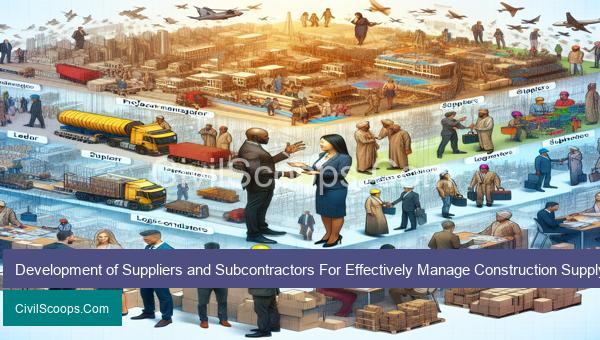
The construction industry is a complex and intricate network of various entities working together to complete a project. Among these entities, suppliers and subcontractors play a crucial role in the construction supply chain. They are responsible for providing the necessary materials, products, and services that are essential for the successful completion of a construction project. In recent years, the effective management of suppliers and subcontractors has become a crucial factor for the success of construction projects. This has led to the development of various strategies and techniques to streamline the supply chain process and ensure the timely delivery of materials and services.
One of the key benefits of effectively managing suppliers and subcontractors is the reduction of project delays and cost overruns. By establishing strong relationships with reliable suppliers and subcontractors, construction companies can ensure the timely delivery of materials and services, which is crucial to keep the project on schedule. This helps to avoid costly delays and disruptions, ultimately leading to on-time project completion.
Moreover, effective management of suppliers and subcontractors also encourages a competitive market environment, which can lead to cost savings. With a wide selection of suppliers and subcontractors to choose from, construction companies can negotiate better deals and prices for materials and services. This can help to reduce project costs and increase profitability.
To manage suppliers and subcontractors effectively, construction companies need to have a well-structured supply chain management process in place. This process includes identifying the right suppliers and subcontractors, establishing clear communication channels, establishing performance metrics, and monitoring supplier and subcontractor performance.
In addition to these standard practices, the use of technological tools has also revolutionized the management of suppliers and subcontractors in the construction industry. With the help of various software and online platforms, such as project management systems and e-procurement systems, communication, coordination, and collaboration with suppliers and subcontractors have become easier and more efficient. These tools also provide real-time updates on project progress and material availability, enabling construction companies to proactively address any potential issues or delays.
Furthermore, to effectively manage suppliers and subcontractors, it is essential to establish a strong and transparent relationship based on trust and mutual benefit. By fostering a culture of collaboration and teamwork, construction companies can build long-term partnerships with suppliers and subcontractors, ensuring their loyalty and commitment to the success of the project.
In conclusion, the development of suppliers and subcontractors for effective construction supply chain management is crucial for the overall success of construction projects. With the use of proper strategies, tools, and techniques, construction companies can ensure timely delivery of materials and services, reduce project costs, and enhance overall project performance. By fostering positive relationships with suppliers and subcontractors and establishing a well-structured supply chain management process, construction companies can effectively manage their supply chain and achieve project success.
Performance Measurement For Effectively Manage Construction Supply Chain
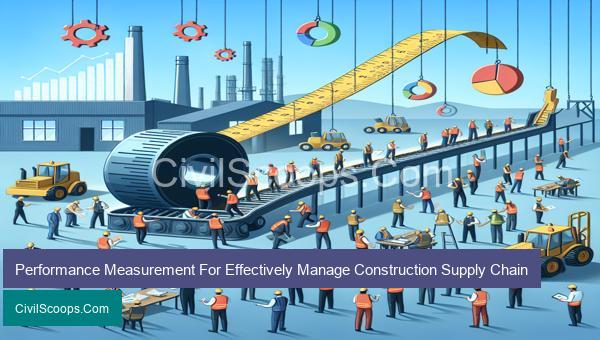
Performance measurement is a critical aspect of effectively managing the construction supply chain in the civil engineering industry. Supply chain management involves the coordination and integration of all activities related to the sourcing, procurement, production, and delivery of materials and services used in construction projects. It plays a crucial role in ensuring the timely and cost-efficient completion of construction projects.
To effectively manage the construction supply chain, it is essential to measure the performance of various aspects of the supply chain. This not only allows project managers to track progress and identify areas for improvement but also enables them to make informed decisions to optimize the supply chain processes.
Here are some key performance measurements that can be used to effectively manage the construction supply chain:
1. On-time delivery: This measures the percentage of materials and equipment that are delivered on time as per the project schedule. Delays in deliveries can cause significant disruptions to the construction process, resulting in project delays and cost overruns. Tracking on-time delivery performance can help identify bottlenecks in the supply chain and take corrective actions to ensure timely deliveries.
2. Material quality: Ensuring the quality of materials is crucial in construction projects to avoid rework and delays. Performance measurement of material quality can be done by tracking the number of defective or rejected materials received from suppliers. Regular quality checks and audits can help maintain a high standard of material quality in the supply chain.
3. Cost savings: An effective supply chain management can lead to cost savings by optimizing inventory levels, reducing lead times, and negotiating better prices with suppliers. Performance measurement of cost savings can be done by comparing the actual project costs with the budgeted costs. This helps in identifying areas where cost-saving opportunities can be further optimized.
4. Supplier performance: The performance of the suppliers in terms of delivery, quality, and cost has a direct impact on the overall performance of the construction supply chain. Regular assessments and performance reviews of suppliers can help identify their strengths and weaknesses and take necessary actions to improve their performance.
5. Inventory turnover: Construction projects require a significant amount of materials and equipment, which can lead to high inventory levels. Performance measurement of inventory turnover, i.e., the number of times inventory is used up and replenished in a given period, can identify overstocked or understocked items. This allows for efficient inventory management and reduces the risk of project delays due to stockouts.
6. Lead time reduction: Lead time is the time taken from placing an order to receiving the materials or equipment. Reducing lead time is crucial in meeting project deadlines and avoiding delays. Performance measurement of lead time reduction can be done by comparing the actual lead time with the planned lead time, and taking necessary actions to improve the efficiency of the supply chain.
In conclusion, performance measurement is essential to effectively manage the construction supply chain. It provides insights into the strengths and weaknesses of the supply chain, helps identify improvement areas, and enables project managers to make data-driven decisions. Regular monitoring and analysis of these performance measures are crucial in ensuring the smooth functioning of the construction supply chain and the timely completion of projects.
Benchmarking For Effectively Manage Construction Supply Chain
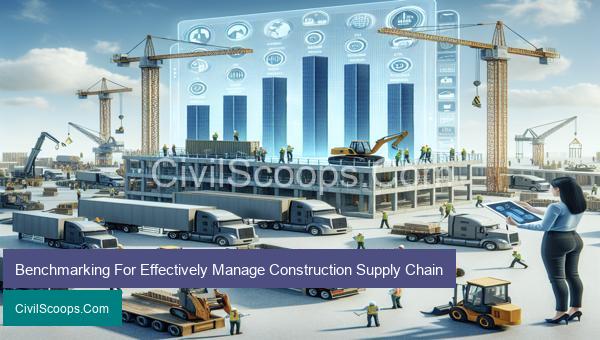
Benchmarking is a structured approach that has been widely used in various industries to improve performance and achieve best practices. In the context of construction supply chain management, benchmarking involves comparing processes and performances of different construction projects, organizations, or industries to identify areas of improvement and implement changes that lead to efficient and effective management of the construction supply chain.
The aim of benchmarking is to provide a yardstick for evaluating the current performance of the construction supply chain and setting quantifiable goals for improvement. It is a continuous improvement process that helps in creating a competitive edge in the construction industry by identifying and adapting best practices from other industries or organizations. Benchmarking for effectively managing construction supply chain can be broken down into four key steps.
1. Identify the Key Performance Indicators (KPIs)
The first step in benchmarking for effectively managing construction supply chain is to identify the key performance indicators (KPIs). These are critical metrics that measure the performance of the construction supply chain and help in identifying areas of improvement. KPIs can include cost, time, quality, productivity, and safety metrics. By establishing a set of KPIs, construction projects can effectively assess their performance and compare it with other projects or organizations.
2. Identify Best Practices and Benchmark Against Them
The next step is to identify best practices in construction supply chain management from either within the organization or from other construction projects or industries. These best practices can include procurement and logistics management, inventory control, contractor management, and risk management, among others. By benchmarking against these best practices, construction projects can identify gaps in their supply chain and implement changes to improve their performance.
3. Analyze the Gap and Implement Changes
Once the best practices have been identified and benchmarked, the next step is to analyze the gap between current and desired performance. This analysis helps in identifying areas that require improvement and developing an action plan to implement changes. This can include streamlining processes, implementing new technology, improving communication and collaboration among stakeholders, and optimizing inventory levels.
4. Monitor and Continuously Improve
The final step in benchmarking for effectively managing construction supply chain is to monitor and continuously improve the performance. This involves tracking the progress and evaluating the effectiveness of the changes implemented. It is important to continuously monitor and review KPIs to identify any new areas of improvement and ensure that the construction supply chain is operating at its optimum level.
In conclusion, benchmarking is a valuable tool for construction projects to effectively manage their supply chain. By identifying KPIs, benchmarking against best practices, analyzing the gap, and continuously monitoring and improving, construction projects can enhance their supply chain performance, reduce costs, improve productivity, and stay competitive in the market. Benchmarking for effectively managing construction supply chain is an ongoing process that should be implemented throughout the project lifecycle to achieve sustainable success.
Knowledge Management For Effectively Manage Construction Supply Chain
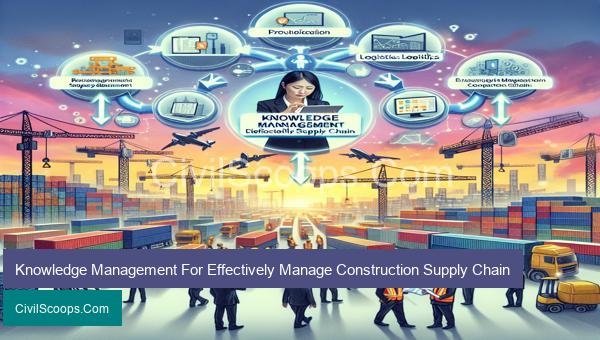
Knowledge management is a key aspect of effectively managing the construction supply chain in the civil engineering industry. It involves the process of capturing, sharing, and utilizing knowledge and information within an organization to improve decision-making, problem-solving, and overall performance.
In the context of construction supply chain management, knowledge management plays a crucial role in improving the efficiency and effectiveness of processes, reducing costs, and enhancing collaboration among stakeholders. Here are some ways in which knowledge management can be applied for effectively managing the construction supply chain:
1. Collecting and Organizing Data: Data is a vital source of knowledge in supply chain management. By collecting and organizing data, knowledge management enables better understanding of the supply chain processes and helps identify areas that need improvement. This includes data on material availability, supplier performance, project progress, and other key factors that affect the construction supply chain.
2. Standardizing Processes: Knowledge management involves creating and implementing standard operating procedures (SOPs) for various processes in the construction supply chain. This helps in streamlining operations, minimizing errors, and ensuring consistency in performance. Standardization also allows for the sharing of best practices and ensures that everyone is on the same page.
3. Facilitating Knowledge Sharing: In a construction project, various stakeholders such as contractors, subcontractors, architects, and engineers, are involved in the supply chain. Knowledge management encourages the sharing of expertise and experiences among these stakeholders, leading to a better understanding of each other’s roles and responsibilities. This improves collaboration, reduces the chances of miscommunication, and helps in resolving issues quickly.
4. Technology Integration: With the advent of digital technology, knowledge management has become more efficient and accessible. Construction supply chain management involves the use of various software such as enterprise resource planning (ERP) systems, building information modeling (BIM), and project management tools. These technologies facilitate the sharing and transfer of knowledge among different stakeholders, leading to better decision-making and faster project completion.
5. Continuous Improvement: Knowledge management promotes a culture of continuous learning and improvement in the construction supply chain. By regularly recording and analyzing data, identifying gaps, and implementing corrective measures, the supply chain processes can be optimized for maximum efficiency and productivity. This leads to cost savings and improved performance.
In conclusion, knowledge management is essential for effectively managing the construction supply chain in the civil engineering industry. It helps in capturing and utilizing knowledge and information to streamline processes, improve collaboration, and enhance performance. As the construction industry continues to evolve, knowledge management will play an even more critical role in creating a sustainable and competitive supply chain.
Waste Identification and Elimination For Effectively Manage Construction Supply Chain
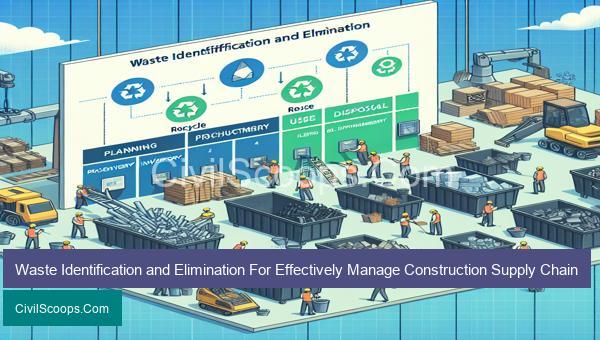
Waste identification and elimination is an essential aspect of effectively managing the construction supply chain. It helps in streamlining the entire process and minimizing unnecessary costs, delays and inefficiencies. In this article, we will discuss the importance of waste identification and elimination in the construction supply chain and some strategies that can be implemented to effectively manage it.
Waste Identification in Construction Supply Chain:
Waste in the construction supply chain refers to any activity or process that does not add value to the end product, project or service. It can occur at any stage of the supply chain, from procurement of materials to final delivery of the project. Some of the common types of waste in construction supply chain are as follows:
1. Overproduction: Overproduction in construction refers to ordering or producing materials or components in excess of what is required. This results in storage costs, damage to excess materials, and wastage of resources.
2. Waiting: Waiting refers to any delays in the supply chain that results in idle time for workers or equipment. This includes delays in material delivery, slow decision-making processes, and mismatched schedules.
3. Transport: Any unnecessary movement or handling of materials in the supply chain leads to transport waste. This includes double handling, improper routing, and unnecessary long-distance transportation.
4. Inventory: Inventory refers to the materials and components that are not used immediately, leading to storage costs, wastage, and obsolescence. It can occur due to overproduction, delays in the supply chain, or mismatched schedules.
5. Motion: Motion waste occurs due to unnecessary movement of workers, equipment, or materials in the supply chain. This can be caused by poor layout, lack of standardization, and inefficient scheduling.
6. Defects: Defects in construction refer to any errors or rework that is required due to poor quality control or inadequate supervision. This leads to additional costs, delays, and wastage of resources.
Elimination Strategies for Construction Supply Chain:
To effectively manage the construction supply chain, it is crucial to identify and eliminate waste. Some strategies that can be implemented to achieve this are as follows:
1. Lean Construction: Lean construction is a systematic approach to minimize waste, improve productivity, and add value to the construction process. It involves identifying and eliminating all kinds of wastes at every stage of the supply chain.
2. Supply Chain Mapping: Supply chain mapping involves identifying all the stages, processes, and stakeholders involved in the construction supply chain. This enables the elimination of any unnecessary activities or redundancies in the process.
3. Just-In-Time (JIT) Delivery: JIT delivery involves ordering materials and components just in time when they are needed in the construction process. This minimizes inventory waste, reduces storage costs, and eliminates obsolescence.
4. Implementing Digital Technologies: Digital technologies such as Building Information Modeling (BIM) and Enterprise Resource Planning (ERP) can help in optimizing the supply chain by providing real-time data, standardizing processes, and improving communication among stakeholders.
5. Quality Control and Standardization: Implementing effective quality control measures and standardizing processes can eliminate defects, rework, and delays in the construction supply chain.
In conclusion, waste identification and elimination play a critical role in effectively managing the construction supply chain. It helps in reducing costs, improving productivity, and ensuring timely delivery of projects. By implementing lean construction principles, supply chain mapping, JIT delivery, and digital technologies, civil engineers can effectively manage the construction supply chain and achieve project
Information Technology For Effectively Manage Construction Supply Chain

The construction industry is a highly complex and constantly changing sector that requires efficient management of the supply chain to ensure timely completion of projects and cost-effective use of resources. Information technology (IT) plays a crucial role in managing the supply chain in the construction industry. By leveraging IT solutions, construction companies can effectively manage the flow of materials, resources, and information from suppliers to the construction site, enabling smooth operations and timely project delivery.
Here are some ways in which IT can aid in managing the construction supply chain effectively:
1. Streamlining Procurement processes: The procurement of materials and resources is a crucial aspect of the construction supply chain. With the use of IT, companies can automate their procurement processes, making them more efficient and accurate. This includes creating a centralized database of suppliers, maintaining real-time inventories, and tracking orders and deliveries. Automation of procurement processes also helps in reducing paperwork, eliminating errors, and enabling better negotiation with suppliers.
2. Inventory Management: IT solutions can aid in effectively managing the inventory by providing real-time visibility of materials and resources. This allows companies to track the movement of materials, monitor stock levels and ensure timely restocking when needed. This real-time data can help in preventing over- or under-stocking, which can lead to project delays and cost overruns.
3. Logistics and Transportation: Transportation and logistics play a vital role in the construction supply chain, especially for projects that require materials to be shipped from different locations. IT solutions such as logistics management software can help in optimizing transportation routes, reducing transportation costs, and ensuring timely delivery of materials to the construction site.
4. Supply Chain Collaboration: Construction projects involve multiple stakeholders, including suppliers, contractors, and subcontractors. IT can enable efficient collaboration between these stakeholders by providing a common platform for sharing information, exchanging project updates, and monitoring progress. This helps in reducing communication gaps, avoiding delays, and improving overall project coordination.
5. Resource Management: In addition to materials, construction projects also require human resources such as workers and equipment. IT solutions such as workforce management software can aid in tracking resource availability, assigning tasks, and monitoring productivity. This helps in ensuring the right resources are deployed to the right projects at the right time.
6. Cost Control and Analysis: IT solutions provide real-time data on project expenditures, enabling construction companies to monitor costs and identify areas for cost savings. This helps in maintaining project budgets and avoiding cost overruns.
7. Quality Control: IT solutions can also facilitate quality control in the construction supply chain. By using sensor technology, companies can monitor the quality and condition of materials during transportation and storage. This ensures that only high-quality materials are used in construction projects, ultimately reducing rework and improving project quality.
In conclusion, IT plays a vital role in effectively managing the construction supply chain. By using digital solutions, construction companies can automate processes, improve communication, and gain real-time visibility into the supply chain, enabling better decision-making. This results in cost savings, timely project delivery, and improved overall project efficiency. Therefore, it is essential for construction companies to embrace and leverage IT to effectively manage their supply chain and stay competitive in the industry.
Human Resource and Training For Effectively Manage Construction Supply Chain
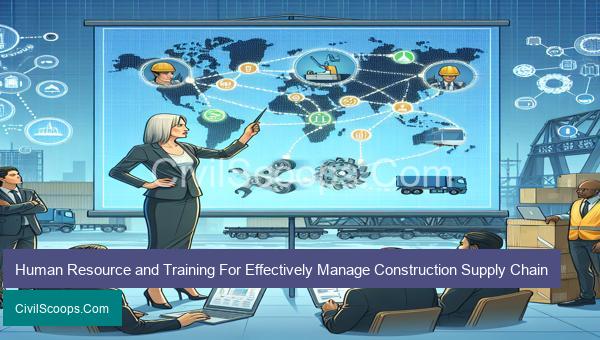
Human resource and training play a critical role in effectively managing the construction supply chain. The construction supply chain consists of various interconnected entities such as contractors, suppliers, manufacturers, and other stakeholders. Effective management of this supply chain requires skilled and knowledgeable human resources who are trained to handle the challenges and complexities of the construction industry.
1. Understanding the Supply Chain:
The first step in effectively managing the construction supply chain is to have a thorough understanding of its dynamics and complexities. Human resource professionals in the construction industry need to have a deep understanding of the relationships and interactions between different entities in the supply chain. This knowledge can be gained through training programs specifically designed for the construction industry.
2. Building Strong Relationships:
Managing the construction supply chain requires building strong and collaborative relationships with suppliers, contractors, and other stakeholders. Human resource professionals need specialized training in communication and interpersonal skills to effectively manage these relationships. They should be able to negotiate contracts, build trust, and foster effective teamwork, which is essential for the success of the supply chain.
3. Managing Procurement:
Procurement is a crucial aspect of managing the construction supply chain. Human resource professionals need to be well-versed in procurement processes, including sourcing, bidding, and contract management. Training programs focusing on procurement in the construction industry can equip professionals with the knowledge and skills required to effectively manage this aspect of the supply chain.
4. Managing Risk and Quality Control:
The construction industry is susceptible to various risks, such as delays, budget overruns, and safety hazards. Managing these risks is crucial for the successful completion of a project. Similarly, ensuring quality control in the supply chain is essential to avoid delays and rework. Human resource professionals need to be trained in risk management techniques and quality control measures specific to the construction industry.
5. Understanding Legal and Regulatory Framework:
Effective management of the construction supply chain also involves having knowledge of the legal and regulatory framework governing the industry. HR professionals should be aware of laws and regulations related to procurement, labor, safety, and environmental concerns. Training programs on legal aspects of the construction industry can provide them with the necessary understanding and skills to manage the supply chain effectively.
6. Leadership and Team Management:
Effective leadership and team management are crucial for the smooth functioning of the construction supply chain. Human resource professionals should be trained in leadership and management skills to motivate and guide teams towards common goals. They should also be able to resolve conflicts and manage diversity within the supply chain.
In conclusion, human resource and training play a vital role in effectively managing the construction supply chain. HR professionals should be equipped with the necessary knowledge and skills through specialized training programs to handle the complexities and challenges of the construction industry. With a competent and well-trained human resource team, the construction supply chain can be effectively managed, leading to successful project completion and overall business success.
Conclusion
In conclusion, effectively managing the construction supply chain is crucial for the success of any construction project. By utilizing strategies such as establishing strong supplier relationships, implementing advanced technology, and implementing efficient logistics and inventory management techniques, contractors can optimize their supply chain and improve overall project efficiency and profitability. It is also important to continually review and adapt supply chain processes to address any challenges and changes in the industry. With a well-managed supply chain, construction companies can overcome obstacles, reduce costs, and deliver high-quality projects on time, ultimately improving customer satisfaction and increasing their competitive edge in the market. By implementing the tips and strategies outlined in this article, construction companies can effectively manage their supply chain and achieve success in their projects.