
Fire damage can be a devastating experience for homeowners and business owners alike, causing immense structural and emotional damage. For many, the process of recovering from a fire can be overwhelming and confusing. That’s where fire damage restoration services come in. These specialized professionals have the knowledge, skills, and equipment to repair and restore properties affected by fire damage, helping individuals and businesses get back on their feet. In this article, we will explore all about fire damage restoration services and how they can help in the aftermath of a fire.
Table of Contents
What are the Things Involved in Fire Damage Restoration Services?

Fire damage restoration services are crucial in the aftermath of a fire in a building. These services involve a thorough and systematic approach to restoring a fire-damaged structure to its pre-fire condition. As a civil engineer, it is essential to understand the various things involved in fire damage restoration services to ensure that the building is restored safely and effectively.
1. Assessment and Inspection:
The first step in fire damage restoration is to assess and inspect the building to determine the extent of the damage and develop a restoration plan. This process includes identifying the areas that are affected by fire, smoke, and water from firefighting efforts. The structural integrity of the building is also evaluated to determine if it is safe to enter.
2. Safety Measures:
Fire damage can compromise the safety of a building, and it is crucial to take immediate safety measures to prevent further damage or injuries. This may include boarding up windows and doors, securing the building, and turning off utilities such as gas, electricity, and water.
3. Mitigation of Water Damage:
Water is often used to extinguish fires, and it can cause significant damage to a building’s structure and contents. The restoration process includes drying out the affected areas and extracting excess water to prevent mold growth, which can compromise the building’s structure.
4. Removal of Debris:
After a fire, there is often debris such as charred materials, furniture, and personal belongings that need to be removed from the building. The restoration team will properly dispose of these items to prevent any potential health hazards.
5. Cleaning and Sanitizing:
Smoke and soot can cause extensive damage to a building’s interior surfaces, including walls, ceilings, and floors. Professional restoration services involve using specialized equipment and cleaning products to remove smoke residue and sanitize the affected areas.
6. Structural Repairs and Reconstruction:
During the assessment process, structural damage is identified, and repairs or reconstruction may be necessary. This includes repairing and reinforcing damaged walls, floors, and roofs to restore the building’s structural integrity.
7. Odor Removal:
The lingering smell of smoke can be challenging to remove if not properly addressed. Fire restoration services also include using specialized equipment such as air scrubbers and thermal foggers to eliminate odors and refresh the air in the building.
8. Content Restoration:
Buildings that experience fire damage often have valuable contents that need to be restored. This includes furniture, appliances, electronics, and personal belongings. A professional fire damage restoration service will have the necessary equipment and expertise to restore these items to their pre-fire condition.
9. Final Inspection:
Once the restoration process is complete, a final inspection is conducted to ensure that all the necessary repairs and restorations have been carried out. This is done to ensure that the building is safe for occupancy and that all traces of fire damage have been eliminated.
In conclusion, fire damage restoration services involve a comprehensive approach to restoring a building after a fire. As a civil engineer, it is essential to work closely with the restoration team to ensure that the building is restored safely and up to code. Timely and thorough restoration can help minimize the damage and expedite the building’s return to its pre-fire condition.
Primary Responsibilities Undertaken by a Professional Fire Restoration Service Provider
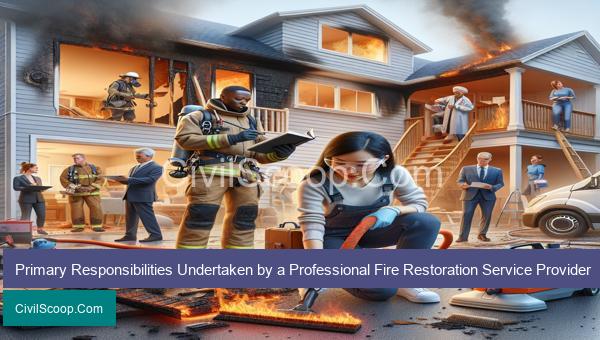
A professional fire restoration service provider is responsible for managing and restoring properties affected by fire damage. They play a crucial role in helping individuals, businesses, and communities cope with the aftermath of a fire incident. As a civil engineer, it is important to understand the primary responsibilities undertaken by a fire restoration service provider in order to collaborate and ensure the successful restoration of the affected property. Some of the main responsibilities of a professional fire restoration service provider are as follows:
1. Damage Assessment and Documentation:
The first and foremost responsibility of a fire restoration service provider is to assess the extent of the damage caused by the fire. This involves a thorough inspection of the property to determine the areas that have been affected. They also document the damage by taking photographs and creating a detailed report. This information is crucial in developing an effective restoration plan.
2. Safety Precautions:
Fire damage can leave properties in a hazardous state, with potential risks such as structural damage, weakened foundations, and hidden electrical hazards. Therefore, one of the primary responsibilities of a fire restoration service provider is to prioritize safety for their clients and their team. This involves identifying and addressing all potential hazards before starting any restoration work.
3. Property Cleanup and Debris Removal:
The next step is to clean up and remove any debris from the property. This involves the removal of damaged materials such as furniture, carpets, and other items affected by the fire or smoke. The restoration team also clears out any remaining water and chemicals used by firefighters to contain the fire.
4. Structural Repairs:
After the cleanup process, the restoration team will address any structural damage caused by the fire. This involves repairing or replacing damaged walls, floors, roofs, and other structural elements. The goal is to restore the property to its pre-fire condition.
5. Smoke and Soot Damage Restoration:
Apart from the actual flames, the smoke and soot generated during a fire can cause significant damage to the property. A professional fire restoration service provider uses specialized equipment and techniques to thoroughly clean and remove any smoke residue and odors from the affected areas.
6. Water Damage Restoration:
In many cases, the water used to extinguish the fire can also cause significant damage to the property. A fire restoration service provider has the expertise and equipment to dry, dehumidify, and restore water-damaged areas to prevent mold growth and further damage.
7. Salvage and Content Restoration:
A professional fire restoration service provider understands the sentimental and monetary value of personal belongings and works to salvage and restore as many items as possible. They use specialized techniques to clean, deodorize, and restore furniture, clothing, and other items that have been damaged by the fire.
8. Coordination with Insurance Companies:
In most cases, property owners will have insurance coverage for fire damage. A professional fire restoration service provider plays a crucial role in facilitating the claims process by providing documentation and detailed reports to insurance companies. This helps in ensuring a smooth and timely restoration process while minimizing financial stress for the property owner.
In conclusion, a professional fire restoration service provider has a crucial role in managing and restoring properties affected by fire damage. They take on a wide range of responsibilities, from damage assessment and safety precautions to property cleanup, repairs, and coordination with insurance companies. As a civil engineer, understanding these primary responsibilities can help in collaborating effectively with fire restoration teams and ensuring the successful restoration of the affected property.
Conclusion
In conclusion, fire damage restoration services play a crucial role in the aftermath of a fire disaster. From removing debris and minimizing the effects of smoke and soot, to restoring the structural integrity of a property and salvaging any salvageable belongings, these services are essential for a successful recovery after a fire. Professional and experienced restoration companies have the necessary equipment, knowledge, and expertise to handle any size or type of fire damage. Time is of the essence when it comes to fire damage restoration, so it is important to contact a reputable restoration company as soon as possible to start the process. With their help, properties can be restored to their pre-loss condition, providing peace of mind and a sense of normalcy for homeowners and businesses. Do not hesitate to