
Supply chain management is a crucial aspect of any industry, and the construction sector is no exception. In the fast-paced and ever-evolving world of construction, effective supply chain management is essential for the successful completion of projects. From procuring the necessary materials to delivering the final product, supply chain management plays a significant role in ensuring timely and cost-effective construction. With the current global challenges of resource scarcity and economic instability, understanding the importance of supply chain management in construction is more critical than ever. In this article, we will delve deeper into the significance of supply chain management in construction and highlight its key elements.
Table of Contents
What id Supply Chain Management in Construction
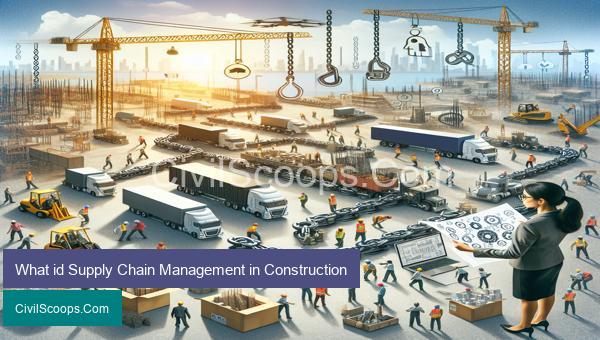
Supply chain management in construction refers to the process of managing the flow of materials, equipment, and information from suppliers to the construction site, and ultimately to the end-users. It plays a crucial role in the success of any construction project, as it ensures the availability of the necessary resources at the right time, in the right quantity, and at the right cost.
In simple terms, supply chain management in construction involves the coordination and integration of various activities and stakeholders involved in the construction process. This includes sourcing and procurement, inventory management, logistics, and distribution, to name a few.
The construction supply chain begins with the procurement of raw materials, such as cement, steel, and lumber, from suppliers. These materials then move to the construction site, where they are used to build the project. This process involves careful planning and scheduling to ensure that materials are delivered as needed and in the correct order, avoiding delays and disruptions to the construction schedule.
Supply chain management also involves managing inventory levels, as construction projects often have limited storage space on-site. Therefore, construction companies must carefully monitor material usage and re-order levels to avoid stockouts or excess inventory.
Effective logistics and distribution strategies are critical in supply chain management to ensure the timely and safe delivery of materials to the construction site. This involves choosing the most efficient transportation modes and routes, as well as working closely with suppliers and contractors to coordinate schedules.
Moreover, supply chain management in construction also involves managing relationships with suppliers, contractors, and subcontractors. This includes negotiating contracts and ensuring that all parties are meeting their obligations and delivering the necessary materials and equipment on time.
One of the significant challenges in construction supply chain management is dealing with unforeseen delays and disruptions due to weather, design changes, or other factors. This requires quick and effective decision-making to minimize the impact on the project timeline and budget.
In recent years, the use of technology has transformed the construction supply chain management process. Through the use of advanced software, companies can now track and monitor materials and inventory levels in real-time, allowing for more efficient and accurate planning and forecasting.
In conclusion, supply chain management is a critical component of the construction industry, as it ensures the smooth and timely delivery of materials and resources to the job site. By effectively managing the supply chain, construction companies can improve project efficiency, reduce costs, and ultimately deliver high-quality projects on time.
How to Important is Supply Chain Management in Construction?

Supply chain management (SCM) is a crucial aspect of the construction industry. It plays a key role in the success of any construction project, regardless of its size or complexity. SCM involves the management of all aspects of the supply chain, from sourcing raw materials to delivering the final product to the end consumer. It is essential to have an effective SCM system in place to ensure the smooth and timely completion of construction projects.
Here are some key reasons why supply chain management is important in construction:
1. Efficient Resource Management: SCM helps in managing the resources required for construction projects. This includes materials, equipment, labor, and other resources. With SCM, all these resources can be efficiently coordinated, ensuring that they are available at the right time and in the right quantity. This helps reduce the risk of delays and ensures that the project stays on track.
2. Cost Reduction: With efficient supply chain management, construction companies can negotiate better prices for materials and reduce their overall costs. SCM also helps in avoiding wastage of materials and minimizing the need for rework, which can add up to significant cost savings in the long run.
3. Improved Communication and Coordination: Construction projects involve multiple stakeholders, including suppliers, contractors, architects, engineers, and clients. SCM facilitates effective communication and coordination between all these parties, leading to improved project management and delivery.
4. Quality Control: SCM ensures that materials and products used in construction projects are of the required quality standards. It involves rigorous quality checks at every stage of the supply chain, from procurement to installation. This helps in delivering high-quality projects that meet the expectations of clients.
5. Timely Delivery: SCM helps in ensuring the timely delivery of materials and products to the construction site. This is crucial for keeping the project on schedule and avoiding costly delays. Furthermore, SCM also helps in identifying potential delays and finding solutions to mitigate them.
6. Risk Management: Construction projects are exposed to various risks, such as delays, cost overruns, and safety hazards. SCM helps in identifying and managing these risks effectively. By having contingency plans in place, construction companies can minimize the impact of any disruptions in the supply chain.
7. Sustainability: SCM plays a crucial role in promoting sustainable practices in the construction industry. By sourcing materials from environmentally responsible suppliers and optimizing transportation routes, SCM can help reduce the carbon footprint of construction projects.
8. Enhanced Customer Satisfaction: An efficient supply chain leads to smoother project execution, timely delivery, and better quality, ultimately resulting in higher customer satisfaction. This can translate into repeat business and positive word-of-mouth recommendations for construction companies.
In conclusion, supply chain management is a critical component of construction project management. It helps in streamlining operations, reducing costs, improving quality, and mitigating risks. Construction companies must invest in an effective SCM system to ensure the success of their projects and maintain a competitive edge in the industry.
Benefits of Supply Chain Management in Construction

Supply chain management in construction plays a crucial role in ensuring the success and efficiency of construction projects. It involves the coordination and management of all activities related to the flow of materials, information, and finances from the suppliers to the final product for the construction project. Here are some benefits of supply chain management in construction:
1. Cost Savings: One of the main benefits of supply chain management in construction is the significant cost savings it can bring to a project. By effectively managing the flow of materials, reducing waste, and negotiating better prices with suppliers, supply chain management helps to minimize costs and improve the overall profitability of the project.
2. Improved Efficiency: Efficient supply chain management ensures that materials, equipment, and resources are delivered to the project site on time and in the right quantity. This helps to avoid delays in the construction process and ensures that the project is completed on time and within budget.
3. Quality Control: Supply chain management also helps to maintain the quality of materials used in construction. By having a well-managed supply chain, materials are checked for quality before being delivered to the project site, reducing the risk of using faulty or substandard materials, which can lead to costly rework and delays.
4. Risk Management: The construction industry is inherently risky, and supply chain management can help mitigate some of these risks. By having a well-coordinated and reliable supply chain, construction companies can minimize the impact of external factors that could potentially disrupt the flow of materials and delay the project.
5. Stakeholder Collaboration: Effective supply chain management promotes collaboration among all stakeholders involved in the construction project, including suppliers, subcontractors, and contractors. This helps to improve communication, increase productivity, and avoid conflicts that could lead to project delays and cost overruns.
6. Sustainable Practices: As the construction industry is becoming more focused on sustainable practices, supply chain management plays a critical role in ensuring that environmentally friendly materials and methods are used in construction projects. This can help construction companies achieve their sustainability goals and improve their reputation as socially responsible organizations.
7. Competitive Advantage: Efficient supply chain management can be a source of competitive advantage for construction companies. By streamlining processes, minimizing costs and delays, and delivering high-quality projects, companies can differentiate themselves from their competitors and win more projects.
In conclusion, supply chain management is an essential element in the success of construction projects. It helps to optimize costs, improve efficiency, ensure quality, mitigate risks, and promote collaboration among stakeholders. Construction companies that adopt effective supply chain management practices are better equipped to handle the challenges of the industry and achieve their project goals successfully.
Digital Supply Chain Management in Construction
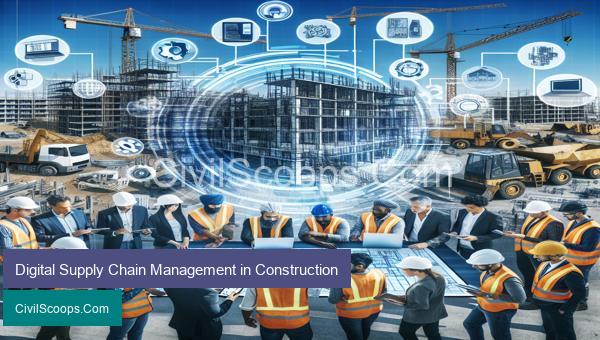
Digital Supply Chain Management (DSCM) is a modern approach that leverages technology and data to streamline the supply chain process in the construction industry. It involves the integration of digital tools and techniques to optimize the flow of materials, equipment, and information from the suppliers to the construction site. This innovative approach has transformed the traditional supply chain management practices and has brought significant improvements in efficiency, productivity, and cost-effectiveness.
In the past, supply chain management in the construction industry was a manual and time-consuming process. It involved a lot of paperwork, manual tracking of inventory, and communication with suppliers through phone or email. This led to delays, errors, and lack of visibility in the supply chain. However, with the adoption of DSCM, the construction industry has seen a significant shift towards more efficient and digitally-enabled supply chain management practices.
One of the key benefits of DSCM in construction is improved inventory management. With the use of digital tools such as RFID (Radio Frequency Identification) tags and GPS tracking, construction companies can now track and monitor their inventory in real-time. This enables them to have a better understanding of their material usage, reorder levels, and stock availability. As a result, construction companies can optimize their inventory levels, reduce overstocking, and avoid stockouts, which can lead to delays in project timelines.
DSCM also enables better communication and collaboration between all stakeholders in the supply chain. Construction companies can now connect with their suppliers, contractors, and subcontractors through a digital platform, which provides visibility and transparency of orders, deliveries, and payments. This improves coordination and allows for faster response times, minimizing delays and disruptions in the construction process.
Furthermore, advanced technologies such as Building Information Modeling (BIM) are integrated with DSCM to provide a more accurate and comprehensive view of the supply chain in construction projects. BIM allows for 3D modeling and visualization of the entire construction process, which helps identify potential conflicts and issues in the supply chain before they occur. This reduces rework and delays, resulting in cost savings and improved project delivery.
Security and risk management are also significant benefits of DSCM in construction. With the use of digital platforms, all transactional data and information are securely stored, reducing the risk of fraud and errors. Moreover, with real-time tracking and monitoring of materials and equipment, the possibility of theft and loss is significantly reduced, saving construction companies time and money.
The use of DSCM in construction has also led to improved sustainability practices. By optimizing the supply chain process, companies can reduce their carbon footprint through efficient transportation and use of resources. Additionally, digital platforms enable better tracking and monitoring of materials, enabling companies to choose environmentally friendly and sustainable materials for their projects.
In conclusion, DSCM is transforming the supply chain management practices in the construction industry. By leveraging technology and digital platforms, construction companies can improve inventory management, communication and collaboration, project delivery, security and risk management, and sustainability practices. As the construction industry continues to embrace digitalization, DSCM will play a crucial role in driving efficiency, productivity, and profitability in construction projects.
Challenges for Supply Chain Management in Construction
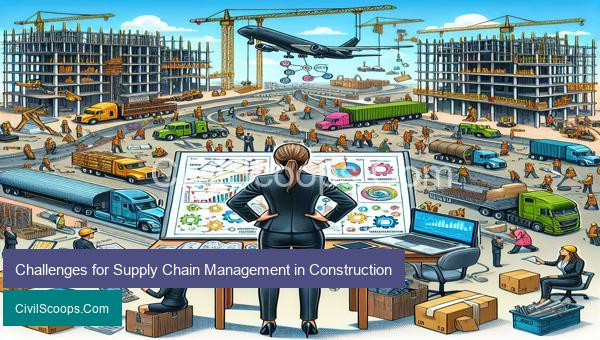
Supply chain management is an essential aspect of the construction industry, as it ensures timely delivery of materials and equipment to construction sites. However, managing the supply chain in construction can present several challenges that can impact project timelines and budgets. In this essay, we will discuss some of the major challenges faced by supply chain management in the construction industry.
1. Fragmented Supply Chain: The construction supply chain involves numerous stakeholders, including suppliers, subcontractors, and logistics companies. This fragmented nature of the supply chain makes it challenging to maintain transparency and communication among different parties. Lack of coordination and collaboration can lead to delays, errors, and cost overruns.
2. Uncertainty in Supply and Demand: The construction industry is highly dynamic, and demand for materials and equipment can change rapidly. This uncertainty in demand can make it challenging to plan and manage the supply chain effectively. Sudden changes in project timelines, design alterations, and unexpected events can cause disruptions in the supply chain, leading to delays and increased costs.
3. Limited Supplier Availability: Construction projects often require specialized materials and equipment, which may not be readily available in the market. This limited availability of suppliers can create bottlenecks in the supply chain, causing delays in project timelines. Moreover, relying on a single supplier for critical materials can increase the risk of supply chain disruptions.
4. Financial Constraints: Construction projects are often highly capital-intensive, and managing the cash flow can be challenging. This can lead to delayed payments to suppliers and subcontractors, which can strain relationships and impact the supply chain. Late payments can also result in suppliers delivering inferior quality materials or delaying shipments, affecting project timelines and budget.
5. Logistics Challenges: Transportation of materials and equipment to construction sites can be a logistical nightmare. Construction sites are often located in remote areas with limited access, making it challenging to transport materials and equipment. Moreover, bad weather conditions, traffic congestion, and road closures can cause delays in transportation, affecting the supply chain.
6. Quality Control: Maintaining quality control in the supply chain is crucial in the construction industry. Poor quality materials and equipment can result in costly rework and delays in project completion. However, ensuring quality control throughout the supply chain can be challenging due to the involvement of multiple stakeholders and a lack of visibility.
7. Environmental Regulations: Construction projects are subject to strict environmental regulations, which can pose challenges in managing the supply chain. The use of certain materials and equipment may be restricted, and companies may have to source alternatives, leading to delays and increased costs. Compliance with environmental regulations can also increase the complexity of the supply chain management process.
In conclusion, supply chain management in the construction industry can face several challenges, including a fragmented supply chain, uncertainty in supply and demand, limited supplier availability, financial constraints, logistics challenges, quality control, and environmental regulations. To overcome these challenges, construction companies must establish effective communication and collaboration among all stakeholders, maintain a robust supply chain management system, and have contingency plans in place to mitigate any disruptions. With proper planning and management, these challenges can be overcome, resulting in a more efficient and cost-effective supply chain in construction.
Steps to Overcome Challenges for Supply Chain Management in Construction

Supply chain management in construction can be a complex and challenging process due to the diverse range of stakeholders involved, tight timeframes, and the need to handle a large volume of materials, equipment, and labor. In order to successfully manage these challenges and ensure a smooth and efficient supply chain, there are several steps that can be taken by civil engineers:
1. Develop a Comprehensive Plan: The first step in overcoming supply chain management challenges is to develop a comprehensive plan. This should involve identifying all the necessary stakeholders, materials, and equipment required for the project. The plan should also include a timeline for procurement, delivery, and installation of materials, as well as contingency plans for any potential delays or issues.
2. Establish Communication Protocols: Effective communication is crucial for managing a complex supply chain in construction. Civil engineers should establish clear communication protocols with all stakeholders, such as suppliers, contractors, and project managers. This will help ensure that everyone is on the same page and can quickly address any issues or changes that may arise.
3. Use Technology and Automation: With the advancement of technology, there are various software and tools available that can help streamline supply chain management processes in construction. Using tools such as Building Information Modeling (BIM) can improve collaboration and communication, while automated systems can help with tracking and managing inventory and deliveries.
4. Identify and Mitigate Risks: Construction projects are often prone to risks such as delays, material shortages, or quality issues. Civil engineers should conduct a thorough risk analysis at the planning stage and identify potential risks. They should then develop mitigation strategies to minimize the impact of these risks on the supply chain.
5. Maintain Strong Relationships with Suppliers and Vendors: A strong and reliable network of suppliers and vendors is vital for efficient supply chain management. It is essential for civil engineers to maintain good relationships with their suppliers and work closely with them to ensure timely delivery of materials and address any concerns or issues that may arise.
6. Monitor and Track Progress: Regular monitoring and tracking of the supply chain can help identify any potential delays or issues early on. This will allow civil engineers to take corrective action and keep the project on track.
7. Continuously Improve Processes: The construction industry is constantly evolving, and new techniques and technologies are being developed. Civil engineers should stay updated with these advancements and continuously look for ways to improve their supply chain management processes for future projects.
In conclusion, effective supply chain management in construction requires careful planning, communication, and collaboration among all stakeholders. By following these steps, civil engineers can overcome challenges and ensure a smooth and efficient supply chain, leading to a successful construction project.
Conclusion
In conclusion, supply chain management plays a crucial role in the success of the construction industry. Through effective management of the flow of goods, services, and information, it helps to ensure timely completion of projects, cost efficiency, and quality control. In today’s competitive market, construction companies must prioritize supply chain management to stay ahead of the competition and meet the demands of clients. By implementing best practices, embracing technology and fostering strong collaboration among stakeholders, the construction industry can achieve sustainable growth and success. Therefore, understanding the importance of supply chain management and its effective implementation is vital for the continued success of the construction industry.