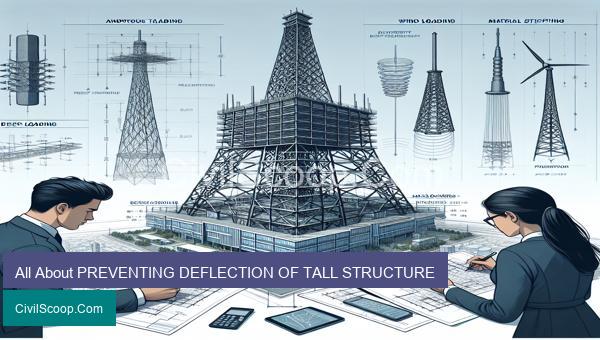
When it comes to building tall structures, one of the biggest challenges is preventing deflection. Deflection, or the bending or movement of a structure under load, can not only affect the structural integrity of the building, but also impact its functionality and aesthetics. From skyscrapers to bridges, preventing deflection is a crucial aspect of construction that requires careful planning, engineering, and implementation. In this article, we will dive into the various factors that contribute to deflection in tall structures, as well as the strategies and methods used to prevent it. Whether you are a developer, architect, or simply interested in the science behind tall structures, this article will provide valuable insights into the complex world of preventing deflection.
Table of Contents
PREVENTING DEFLECTION OF TALL STRUCTURE
Preventing deflection of tall structures is crucial in ensuring structural stability and safety. Deflection refers to the bending or deformation of a structure under applied loads, which can lead to structural failure if not properly addressed. As a civil engineer, it is important to consider measures to prevent deflection in the design, construction, and maintenance of tall structures.
1. Structural Analysis: The first step in preventing deflection is to conduct a detailed structural analysis of the proposed tall structure. This involves evaluating the loads that the structure will be subjected to, such as wind, seismic, and self-weight. The analysis will also determine the strength and stiffness of the structure, which are critical factors in preventing deflection.
2. Proper Design: A well-designed structure is essential in preventing deflection. The design should be based on the results of the structural analysis and should consider factors such as material properties, geometry, and connections. Utilizing advanced structural design software can help in accurately predicting and controlling deflection.
3. Adequate Support and Foundation: The support and foundation system play a significant role in preventing deflection of tall structures. The foundation should be designed to accommodate the vertical and lateral loads, while the support system should be able to resist any lateral or horizontal movements. Proper reinforcement of the foundation and the use of appropriate support systems, such as bracings and shear walls, can effectively prevent deflection.
4. Material Selection: The type and quality of materials used in the construction of tall structures greatly affect their ability to resist deflection. Structural components, such as beams, columns, and slabs, should be carefully chosen to ensure they have adequate strength and stiffness to withstand applied loads. Using high-strength materials or increasing the thickness of structural elements can help prevent excessive deflection.
5. Construction Techniques: During the construction process, it is important to monitor the building techniques being used to avoid excessive deflection. This includes ensuring proper placement and alignment of formwork, proper curing of concrete, and careful installation of structural elements. Any errors or deficiencies in construction can lead to structural weaknesses and increased deflection.
6. Regular Maintenance: Maintaining a tall structure is essential in preventing deflection. Regular inspections should be carried out to identify any signs of damage, degradation, or wear and tear. Any issues should be promptly addressed to avoid further deterioration that can lead to excessive deflection.
In conclusion, preventing deflection of tall structures requires a holistic approach that begins with proper planning, design, and construction and continues with regular maintenance. As a civil engineer, it is important to carefully consider all factors that can impact the stability and rigidity of a structure to effectively prevent deflection.
Conclusion
In conclusion, preventing deflection of tall structures is a crucial aspect of ensuring their stability and safety. By understanding the principles of structural engineering and implementing appropriate strategies such as the use of efficient structural systems, proper material selection, and regular maintenance, we can effectively prevent deflection and ultimately safeguard our built environment. As technology continues to advance, it is vital for engineers and architects to constantly evaluate and improve upon existing techniques to further enhance the structural integrity of tall buildings. By working together and prioritizing prevention, we can confidently construct tall structures that can withstand the challenges of extreme weather events and maintain their structural integrity for years to come. Let us continue to prioritize the prevention of deflection in tall structures to ensure the safety of our communities and the sustainability of