Table of Contents
All About Severity of Concrete Cracks
Concrete is one of the most commonly used building materials in the world, thanks to its strength and durability. However, like any material, concrete is not immune to cracks and damage. These cracks can range from minor surface imperfections to more severe structural issues that can compromise the integrity of a building. The severity of concrete cracks is a crucial factor in determining the need for repair and assessing the overall safety of a structure. In this article, we will delve into the different levels of severity of concrete cracks and explore how they can impact the strength and longevity of concrete structures.
What is Severity of Concrete Cracks
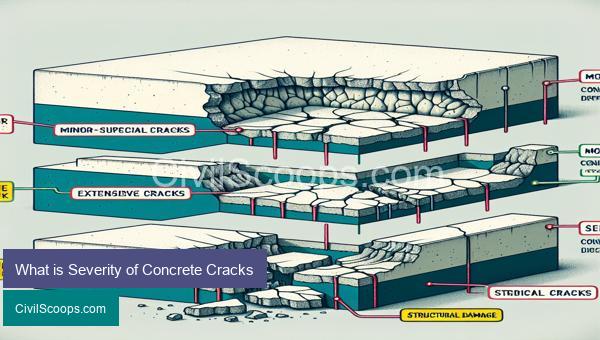
As a civil engineer, one of the most common issues I encounter in my field is the presence of concrete cracks. These cracks can occur due to a variety of reasons such as shrinkage, thermal expansion, structural overload, poor construction practices, and exposure to environmental elements.
The severity of concrete cracks is a crucial factor to consider in structural design and maintenance. It refers to the extent or level of damage caused by the cracks in the concrete element. The severity of cracks is determined by their width, depth, and pattern.
In terms of width, cracks can be classified as hairline, narrow, medium, wide, or large. Hairline cracks, also known as microcracks, are typically less than 0.1mm in width and are barely visible to the naked eye. These cracks may not pose any structural concerns, but they can allow water and other harmful substances to penetrate the concrete, affecting its durability. Narrow cracks, ranging from 0.1mm to 3mm, are still relatively small and may not have a significant impact on the structure’s integrity. However, they should be monitored and addressed before they widen and become a more severe issue.
Medium cracks, with widths ranging from 3mm to 6mm, can start to affect the structural stability of the concrete element. These cracks may indicate a more serious problem, such as inadequate reinforcement or excessive load on the structure. Wide cracks, greater than 6mm in width, are considered severe and require immediate attention. They can significantly weaken the structure and affect its load-bearing capacity.
In addition to width, the depth of concrete cracks is another important factor in determining their severity. Shallow cracks that do not extend beyond the surface layer of the concrete may not pose a significant threat. However, deep cracks that penetrate through the entire thickness of the concrete can significantly compromise the strength and durability of the structure. These cracks may also indicate a structural problem that needs to be addressed by a professional.
The pattern of cracks can also help determine their severity. Random or non-uniform cracks may suggest a less severe issue, such as shrinkage or temperature changes. However, when cracks follow a consistent and recurring pattern, such as along the joints or at specific points, it can be indicative of a more severe problem, such as structural movement or inadequate design.
In conclusion, the severity of concrete cracks is determined by their width, depth, and pattern. It is essential to identify and classify cracks accurately to decide on the appropriate remedial actions. Regular inspections and timely repairs can help prevent the progression of cracks and ensure the structural integrity and safety of the concrete element. As a civil engineer, it is my duty to monitor and address concrete cracks with the utmost attention and expertise to maintain the longevity and stability of structures.
How to Determine the Severity of Concrete Cracks?
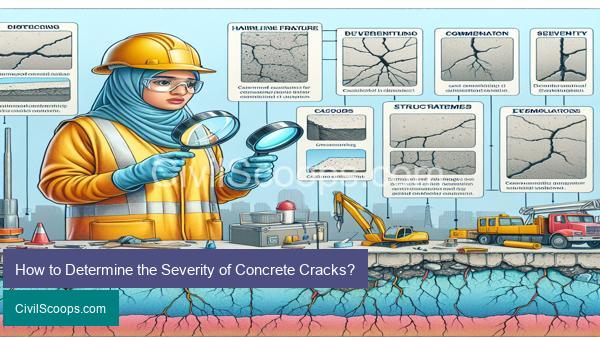
Concrete cracks are a common occurrence in the construction industry and can appear in various types and severity levels. As a civil engineer, it is important to determine the severity of concrete cracks in order to assess the impact on the structural integrity and develop an appropriate repair plan. Here are the key steps to determine the severity of concrete cracks:
1. Visual Inspection: The first step in determining the severity of concrete cracks is to visually inspect the cracks. This involves looking for the location, length, width, and direction of the cracks. Cracks that are wider, longer, or located in critical structural areas such as load-bearing walls and columns are generally considered more severe.
2. Measure Crack Width: Using a crack width gauge or a ruler, measure the width of the crack at its widest point. This will give an indication of the size of the crack and its potential impact on the structural integrity.
3. Consider the Depth of the Crack: Cracks that are wider at the surface but narrow at the bottom are typically less severe compared to cracks that are uniform in width and depth. A uniform crack indicates a more significant problem with the concrete.
4. Check for Displacement: Cracks that have caused displacement or separation in the concrete are considered more severe compared to hairline cracks. Look for any noticeable displacement or movement along the crack.
5. Check for Water Leakage: If the crack is exposed to moisture or water, check for any signs of water staining or dampness. This can indicate the presence of water infiltration and can lead to further deterioration of the concrete.
6. Look at the Surrounding Area: It is important to assess the condition of the surrounding concrete as well. If there are multiple cracks or other signs of distress in the vicinity, it can indicate a more significant underlying issue.
7. Consider the Age of the Concrete: The age of the concrete can also provide insight into the severity of the cracks. Newly constructed concrete with fresh cracks may not be as severe as aged concrete with extensive cracking.
8. Refer to Structural Design and Building Codes: Consulting the structural design plans and building codes can also help determine the severity of concrete cracks. The design plans may include acceptable crack widths and types, while building codes may outline guidelines for repair and maintenance.
9. Seek Professional Opinion: If you are unsure about the severity of the crack, it is always best to seek the opinion of a structural engineer or a licensed contractor. They can provide a professional assessment and recommend the necessary repairs.
In conclusion, the severity of concrete cracks can vary depending on various factors. By following these key steps, civil engineers can properly determine the severity of cracks and develop an appropriate course of action to ensure the structural integrity of the concrete. Timely identification and repair of severe cracks are essential to prevent further damage and maintain the longevity of concrete structures.
Conclusion
In conclusion, understanding the severity of concrete cracks is crucial for maintaining the structural integrity and safety of concrete structures. By identifying and properly addressing cracks, potential damage and expensive repairs can be prevented. Whether the crack is structural, non-structural, or cosmetic, each type should be evaluated and treated accordingly. It is also important to regularly inspect and monitor for any new or worsening cracks. With proper knowledge and proactive measures, the severity of concrete cracks can be effectively managed, ensuring the longevity and durability of concrete structures. So, be diligent and knowledgeable about the severity of concrete cracks to ensure the safety and strength of your concrete constructions.