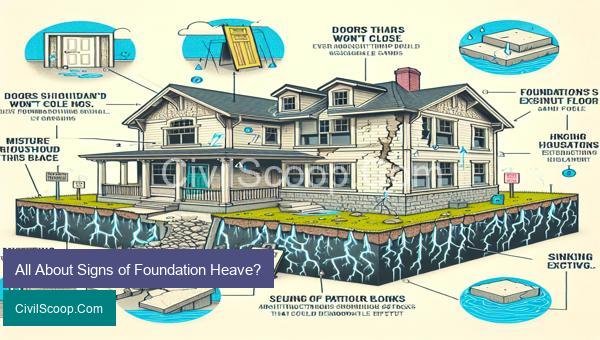
Signs of foundation heave can be alarming and worrisome for any homeowner. Foundation heave, also known as upheaval, occurs when the soil beneath a building expands, causing the foundation to rise. This can lead to serious damage to the structure of a building if left unchecked. Understanding the signs of foundation heave is crucial for identifying potential issues and taking the necessary steps to protect your property. In this article, we will delve into the common signs of foundation heave and provide insight into what can cause this phenomenon. By being aware of these signs, you can better protect your home and prevent costly repairs.
Table of Contents
What are the Signs of Foundation Heave?
Foundation heave is a serious issue that can significantly affect the structural stability of a building. It occurs when the soil beneath a building expands, causing the foundation to rise or lift upwards. This can result in cracks in the walls, sloping floors, and other structural problems. As a civil engineer, it is important to be able to recognize the signs of foundation heave in order to address the issue before it causes extensive damage. Here are some of the common signs of foundation heave that you should be aware of:
1. Cracks in the walls and floors: One of the most obvious signs of foundation heave is the appearance of cracks in the walls and floors of a building. These cracks can be horizontal, vertical, or diagonal and can occur in both the interior and exterior walls. As the foundation lifts, it causes the walls and floors to shift, resulting in visible cracks.
2. Doors and windows not aligning properly: Another common sign of foundation heave is when doors and windows no longer align properly. This can be seen when doors or windows become difficult to open or close, or when they no longer sit level in their frames. This occurs because the shifting foundation causes the door or window frames to become misaligned.
3. Sloping floors: If you notice that the floors in a building are sloping or uneven, it could be a sign of foundation heave. As the foundation lifts, it causes the floors to slope and can result in a noticeable tilt or unevenness.
4. Gaps between walls and ceilings: Foundation heave can also cause gaps to appear between walls and ceilings. This can be seen as a separation between the wall and the ceiling, and may also be accompanied by cracking or bulging of the ceiling.
5. Cracked foundation: Finally, a cracked foundation is a clear indication of foundation heave. As the soil expands and lifts the foundation, it can cause it to crack or even separate from the building.
If you notice any of these signs in a building, it is important to consult a structural engineer or a foundation repair specialist. They can assess the severity of the issue and recommend the appropriate course of action to address the underlying cause of foundation heave.
In conclusion, as a civil engineer, it is crucial to be able to identify the signs of foundation heave to prevent further damage to a building’s structure. Regular inspections and timely repairs can help mitigate the effects of foundation heave and ensure the safety and stability of a building.
Conclusion
In conclusion, understanding the signs of foundation heave is crucial for any homeowner. From cracked walls to uneven floors, these symptoms often indicate a serious underlying issue that requires immediate attention. By regularly inspecting your home for these signs and addressing any problems promptly, you can prevent further damage and costly repairs. Don’t hesitate to seek professional help from a foundation specialist if you notice any of these signs. Remember, the earlier the problem is identified and addressed, the better chances you have to protect your home’s foundation and maintain its structural integrity. With proper maintenance and repair, you can ensure the safety and stability of your home for years to come.