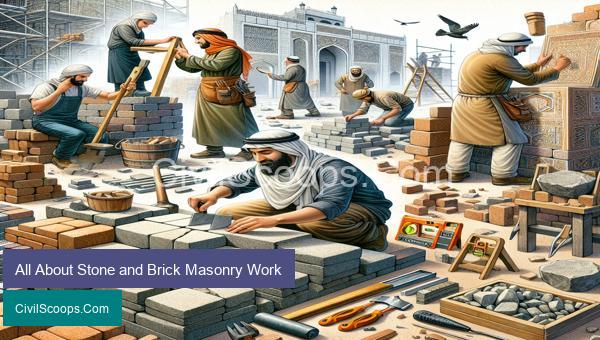
Stone and brick masonry work has been an integral part of construction for centuries. The art of building with these materials dates back to ancient civilizations, and its use continues to this day in various forms of architecture and design. From impressive pyramids to intricate cathedrals, these durable materials have stood the test of time and remain a popular choice for building projects. In this article, we will delve into the world of stone and brick masonry work, exploring its history, techniques, and modern applications. Whether you are a homeowner looking to add charm and strength to your property or a construction professional seeking to learn more about these traditional building methods, this article will provide you with all the information you need to know about all things stone and brick m
Table of Contents
How to Monitor Stone and Brick Masonry Work?
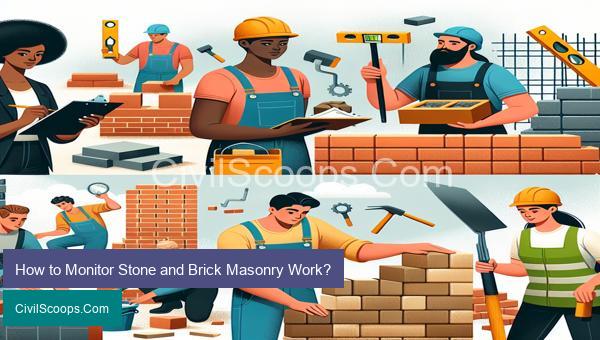
As a civil engineer, monitoring stone and brick masonry work is an essential part of the construction process. Masonry work involves the use of materials such as stone, brick, and cement to create structures like walls, pavements, and buildings. These structures can greatly impact the overall strength, stability, and safety of a project, making effective monitoring crucial. Here are some important steps to follow for monitoring stone and brick masonry work:
1. Plan the Monitoring Approach: As with any construction project, it is essential to have a comprehensive plan in place before starting the masonry work. This plan should include specific objectives and procedures for monitoring the work. It should clearly define the areas of the project that will be monitored, the frequency of monitoring, and the parameters that will be checked.
2. Conduct Regular Inspections: Regular inspections are critical for monitoring the progress and quality of the masonry work. These inspections should be carried out by a qualified civil engineer or masonry expert who is familiar with the project’s design and specifications. Inspections should be conducted at key stages of the construction process, such as before, during, and after the placement of stones or bricks.
3. Check Materials Quality: The quality of materials used in masonry work has a significant impact on the project’s strength and durability. As a civil engineer, it is your responsibility to ensure that the materials being used meet the project’s specifications and industry standards. This can be achieved by reviewing material test reports and conducting on-site material testing to ensure compliance.
4. Monitor the Workmanship: The quality of workmanship is crucial for the success of any construction project, and masonry work is no exception. It is essential to keep a close eye on the workmanship of the masons to ensure that the bricks or stones are being placed correctly, and the mortar is applied properly. Any issues should be identified and addressed immediately to avoid any costly rework later on.
5. Document and Report Findings: It is vital to document all inspection and monitoring findings in a detailed report. This report should include observations, any issues identified, and recommendations for corrective actions. It should also contain photographic evidence to provide a visual record of the work’s progress.
6. Monitor Weather Conditions: The weather can have a significant impact on the quality of stone and brick masonry work. Extreme weather conditions such as high temperatures, strong winds, or heavy rain can affect the drying time of mortar, leading to cracks or other defects in the structure. It is crucial to monitor the weather conditions and make adjustments to the construction schedule as needed.
7. Work with Experienced Masons: Working with experienced and skilled masons is key to ensuring quality masonry work. They will have the necessary knowledge and expertise to identify and address any issues that may arise during the construction process.
In conclusion, monitoring stone and brick masonry work is an important task that requires attention to detail, technical knowledge, and experience. By following these steps, civil engineers can ensure that the masonry work is carried out to the highest standards, resulting in a safe and durable structure. Regular monitoring can also help identify and address any issues early on, saving time and money in the long run.
What is Stone Masonry
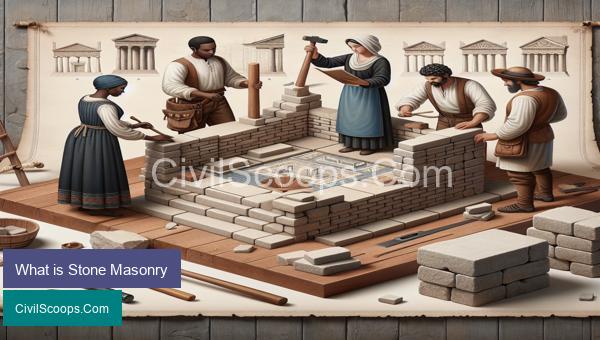
Stone masonry is an ancient construction technique that involves using stones as the primary material for building structures such as walls, bridges, and monuments. It is considered one of the oldest and most durable forms of construction, with its roots dating back to the Neolithic period.
The process of stone masonry involves arranging and binding stones together using mortar or other adhesives to form a strong and stable structure. Stones used in masonry can be either natural or man-made, ranging from granite, limestone, sandstone, or even bricks.
There are three main types of stone masonry: rubble, ashlar, and veneer. In rubble masonry, irregular-shaped stones are stacked together in a random pattern and then secured with mortar. This type of masonry is commonly used in the construction of low-cost structures such as retaining walls and fences.
Ashlar masonry, on the other hand, uses rectangular or square-cut stones that are precisely dressed and laid in horizontal courses with even joints. This type of masonry is typically seen in high-end buildings, where aesthetics are important.
Veneer masonry, also known as facing masonry, involves attaching a thin layer of stone to a backing of another material such as concrete or brick. This technique is used to achieve the appearance of solid stone construction at a lower cost.
The process of stone masonry requires great skill and precision. It involves cutting, shaping, and laying stones with hand tools such as chisels, hammers, and levels. In modern times, power tools such as saws and drills have also been incorporated into the process, making it more efficient.
One of the main advantages of stone masonry is its durability. Stone structures have been known to withstand natural disasters such as earthquakes, floods, and fires. They are also resistant to wear and tear, making them suitable for long-term use.
Additionally, stone masonry offers thermal insulation, helping to regulate temperature and reduce energy consumption in buildings. It is also a sustainable and environmentally friendly form of construction, as stones are a natural resource that can be reused and recycled.
However, there are also some limitations to using stone masonry. It is a labor-intensive process, requiring skilled workers and specialized equipment. It is also more expensive compared to other forms of construction, due to the cost of materials and the complexity of the process.
In conclusion, stone masonry is a traditional building technique with a rich history and many benefits. It has stood the test of time and is still widely used today in both residential and commercial construction. Its strength, durability, and aesthetic appeal make it a top choice for many architects and engineers. With advancements in technology and techniques, stone masonry continues to evolve and remain a crucial aspect of the construction industry.
Supervision of Stone Masonry Building
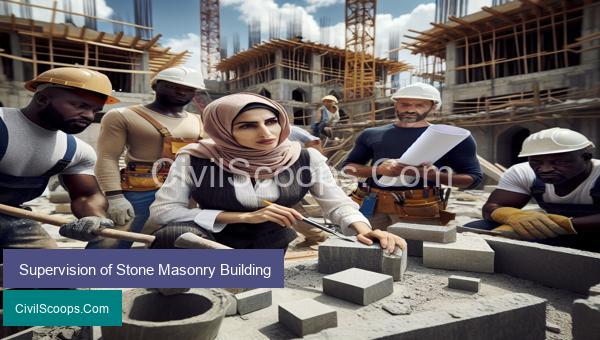
Supervision of stone masonry buildings is a crucial aspect of the construction process. Stone masonry is a traditional building method that has been used for centuries and involves the placement of stones in a pattern using mortar as the bonding material. It is a highly skilled and labor-intensive process that requires proper supervision to ensure quality and structural stability.
The following are the key factors that a civil engineer must consider while supervising a stone masonry building construction:
1. Planning and Design: The first and most important step in supervising stone masonry building is to thoroughly understand the project plans and specifications. This involves checking the structural design, materials used, and construction techniques. The engineer must also ensure that the type and quality of the stones being used are suitable for the specific building design.
2. Site Preparation: Before the actual construction begins, the site must be appropriately prepared. The engineer must ensure that the site is level, stable, and free from any debris or obstacles that could hinder the construction process. Clearing the site also allows for proper access to the construction area for workers and materials.
3. Material Inspection and Procurement: As a civil engineer, it is essential to supervise the procurement process of stones and other materials. The quality of the stones must be inspected to ensure they meet the necessary standards. The engineer must also ensure that the right amount of materials is being ordered for the project.
4. Foundation Preparation: A strong foundation is the key to a stable stone masonry building. The civil engineer must closely supervise the excavation process and ensure that the foundation is level, compacted, and able to bear the load of the building above.
5. Layout and Setting Out: Before the construction of the walls begins, the engineer must ensure that the layout is accurately marked on the foundation. This involves the use of specific tools to draw the exact positions and dimensions of the walls based on the building plans.
6. Mortar Preparation and Application: A suitable mortar mix is crucial for the stability and longevity of a stone masonry building. The engineer must supervise the mixing process to ensure the right proportions of sand, cement, and water are used. They must also ensure that the mortar is applied evenly and in layers of consistent thickness.
7. Stone Placement and Bonding: A skilled team of stone masons will be responsible for the actual placement of the stones. However, the engineer must supervise the process to ensure that the stones are fitted tightly together and bonded well with the mortar. They must also ensure that the walls are plumb and level as the construction progresses.
8. Quality Control and Safety: As with any construction project, quality control and safety are critical in stone masonry building supervision. The engineer must inspect the construction regularly to ensure that the work is being done to the required standards and that safety protocols are being followed by the workers.
9. Monitor Progress and Schedule: The engineer must closely monitor the progress of the construction and keep track of the schedule to ensure that the project is completed on time. Any delays or issues must be addressed promptly to avoid disruptions in the construction process.
In conclusion, supervision of stone masonry building requires a high level of expertise and attention to detail. A civil engineer must closely monitor all aspects of the construction process to ensure that the building is built to the required standards, and that the final result is a quality and structurally sound structure.
Benefits and Drawbacks of Stone Masonry
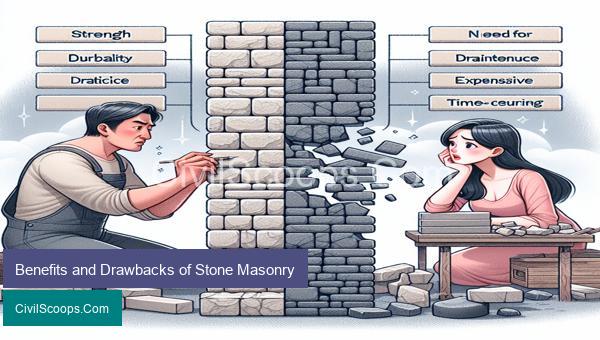
Stone masonry refers to the construction of structures using individual pieces of natural or cultured stone held together by mortar. This technique has been used for centuries and is still popular in building construction, especially for aesthetic purposes. There are several benefits and drawbacks of stone masonry, which are discussed below.
Benefits of Stone Masonry:
1. Aesthetic Appeal: Stone masonry has an inherent aesthetic appeal, as the natural color and texture of stone can enhance the overall look of a building. The use of different types of stones and patterns can create unique and attractive designs.
2. Durability: Stone masonry structures are highly durable and can withstand harsh weather conditions. Stones are resistant to fire, wind, and water, making them a popular choice in areas prone to natural disasters.
3. Low Maintenance: Stone structures require minimal maintenance, as they do not rot or warp like wood. Regular cleaning and periodic re-pointing of mortar joints can ensure the longevity of a stone masonry building.
4. Energy Efficiency: Stone has the ability to absorb and store heat, which can help regulate the temperature inside a building and reduce the need for artificial cooling or heating. This makes stone masonry buildings more energy-efficient.
5. Sound Insulation: Stone masonry is excellent for sound insulation, as the density of the material helps block out external noise. This is particularly beneficial in urban areas where noise pollution is a major concern.
Drawbacks of Stone Masonry:
1. Cost: Stone masonry is one of the most expensive building techniques due to the high cost of stone, labor, and specialized equipment. This may not be a feasible option for those with budget constraints.
2. Time-consuming: Stone masonry is a labor-intensive process that requires skilled craftsmen and can take a considerable amount of time to complete. This can result in delays and increased construction costs.
3. Heavy Weight: Stone is a heavy material, and the weight of stone masonry structures can put pressure on the foundation and require additional reinforcement. This can increase the overall cost of construction.
4. Limited Availability: Certain types of stones used in masonry, such as granite and marble, are not readily available in all regions. This can make it challenging to source the desired type of stone and may add to the cost of transportation.
5. Weather Dependent: Stone masonry construction is highly weather-dependent, as it cannot be done during heavy rain or freezing temperatures. This can cause delays in construction and affect the project schedule.
In conclusion, stone masonry has several benefits and drawbacks that need to be considered before using it in construction projects. While it offers durability, low maintenance, and aesthetic appeal, the high cost, labor-intensive process, and limited availability of stones must also be taken into account. Proper planning and assessment of the project’s requirements can help determine if stone masonry is the right choice for a particular construction project.
What is Brick Masonry
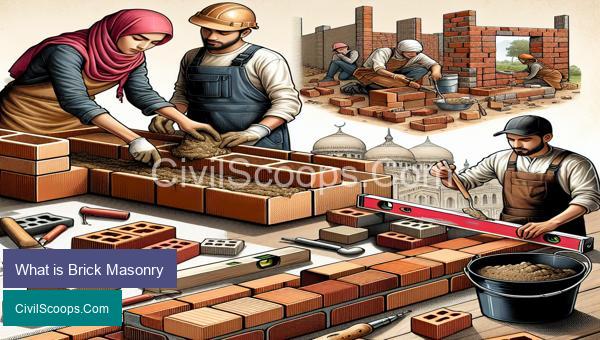
Brick masonry, also known as bricklaying, is a technique used in construction that involves arranging bricks in a specific pattern and bonding them together with mortar. This technique has been used for centuries and is still widely used in both residential and commercial buildings.
Bricks used in masonry are typically made from clay, shaped into rectangular blocks, and then fired in a kiln to make them sturdy and durable. They can also be made from other materials such as concrete, stone, or sand lime bricks. Bricks come in various sizes, colors, and textures, providing flexibility and versatility in design.
The process of brick masonry starts with preparing the foundation and laying out reference lines to guide the brickwork. The bricks are then placed on the foundation and positioned in a specific pattern, usually in a horizontal or vertical orientation. This arrangement of bricks is known as a bond and is essential for providing strength and stability to the structure. There are several types of bonds used in brick masonry, including stretcher bond, header bond, and English bond.
Once the bricks are in place, the next step is to fill the gaps between them with mortar. Mortar is a mixture of cement, sand, and water that acts as an adhesive to bond the bricks together. It also helps to provide a sealed surface, preventing moisture or water from seeping through the walls.
Brick masonry requires skill and precision, as any mistakes or gaps in the mortar can compromise the structural integrity of the building. Therefore, brick masons undergo extensive training and apprenticeship to learn the techniques and achieve high-quality craftsmanship.
One of the significant advantages of brick masonry is its durability. Well-constructed brick walls can withstand harsh weather conditions, including strong winds and fire. It also requires minimal maintenance, making it an economical choice in the long run.
In addition to its strength and longevity, brick masonry also offers aesthetic appeal to a building. The variety of colors, textures, and patterns available in bricks allow for endless design possibilities, giving architects and builders the freedom to create unique and visually appealing structures.
In conclusion, brick masonry is a traditional construction technique that continues to be widely used today due to its strength, durability, and aesthetic appeal. Its versatility in design and cost-effectiveness make it a preferred choice for both residential and commercial construction projects.
Supervision of Brick Masonry
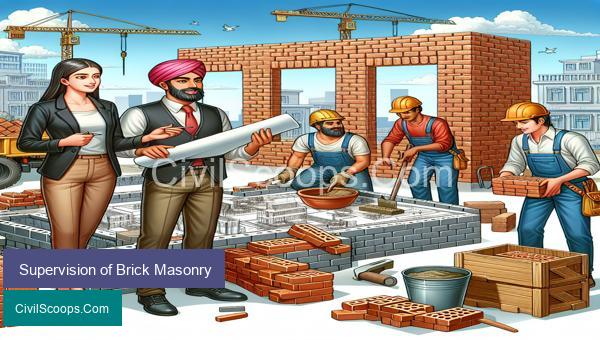
Supervision plays a crucial role in any construction project, and this is particularly important in the case of brick masonry. As a civil engineer, it is your responsibility to oversee the entire process of brick masonry, from laying the first brick to the final finishing touches. In this article, we will discuss the key aspects of supervising brick masonry and the responsibilities that come with it.
1) Understanding the project: The first step in supervising brick masonry is to have a comprehensive understanding of the project. This includes studying the project plans, specifications, and other details. It is essential to have a clear understanding of the type of brick, mortar, and bonding pattern to be used. This will help in identifying potential challenges and ensuring that the project is completed according to the design and quality standards.
2) Preparation and coordination: Before the construction work begins, the supervisor must ensure that all necessary tools, materials, and equipment are available on-site. This includes quality bricks, mortar, scaffolding, cutting tools, and safety equipment. Coordination with the project manager, site engineer, and other contractors is also vital to ensure that the work progresses smoothly and any issues are addressed promptly.
3) Monitoring work progress: Supervision involves overseeing the work of the brick masons and laborers on a daily basis. This includes monitoring the quality of work, adherence to construction plans, and safety measures. It is the supervisor’s responsibility to ensure that the work is executed as per the approved design and within the specified time frame.
4) Quality control: Brick masonry involves the skillful placement of bricks in a specific pattern using mortar. As a supervisor, it is crucial to keep a close eye on the quality of bricks, mortar, and the overall workmanship. This may involve conducting quality checks, such as random sampling and strength tests, to ensure that the construction meets the required standards.
5) Managing labor and resources: Brick masonry requires a considerable amount of labor, and it is the supervisor’s responsibility to manage the workforce efficiently. This includes assigning tasks, providing training, and addressing any issues that may arise. The supervisor must also ensure that resources such as bricks and mortar are utilized efficiently to avoid unnecessary wastage.
6) Ensuring safety: The safety of workers and the public is of utmost importance in any construction project. The supervisor must ensure that all safety measures, such as scaffolding, barricading, and personal protective equipment, are in place. They must also conduct regular safety inspections and implement corrective measures, if required.
7) Addressing challenges: Despite careful planning and supervision, unexpected challenges may arise during brick masonry, such as adverse weather conditions or unforeseen site conditions. In such situations, the supervisor must take prompt action to overcome these challenges and ensure that the project progresses smoothly.
In conclusion, the role of a supervisor in brick masonry is crucial in ensuring the successful completion of a construction project. Apart from technical knowledge, effective communication, leadership, and problem-solving skills are essential for a supervisor to carry out their responsibilities effectively. By following the above-mentioned guidelines, a civil engineer can ensure that brick masonry is executed efficiently, resulting in a strong and durable structure.
Benefits and Drawbacks of Brick Masonry

Brick masonry is a construction method that has been used for centuries and is still widely used today. It involves the laying of bricks or blocks in a specific pattern and bonding them together with mortar to create a strong and durable structure. As a civil engineer, I have worked with brick masonry on many projects and have seen both its benefits and drawbacks. In this essay, I will discuss some of the major benefits and drawbacks of using brick masonry in construction.
Benefits of Brick Masonry:
1. Cost-effective: One of the major benefits of brick masonry is its cost-effectiveness. Bricks are made from natural materials such as clay and shale, which are readily available and inexpensive. This makes brick masonry a more affordable option compared to other construction methods.
2. Durable: Brick masonry structures are known for their durability. Bricks are resistant to fire, rot, and pests, making them perfect for building long-lasting structures. With proper maintenance, brick structures can last for centuries without losing their strength and stability.
3. Aesthetic appeal: Brick masonry offers a timeless and classic look to buildings. The various sizes, shapes, and colors of bricks give architects the freedom to create unique and aesthetically pleasing designs. This is especially beneficial for historic buildings that need to maintain their original look.
4. Fire Resistance: As mentioned earlier, bricks are resistant to fire, making brick masonry structures safe and secure. Bricks are made from non-combustible materials, and their high thermal mass helps protect buildings from the spread of fire.
5. Sustainable: Brick masonry is considered to be a sustainable construction method. Bricks are made from natural and renewable materials, and they can be recycled or reused when a building is demolished. This makes brick masonry an environmentally friendly choice.
Drawbacks of Brick Masonry:
1. Labor Intensive: Brick masonry is a labor-intensive construction method. The process of laying individual bricks and bonding them together with mortar requires skilled labor and takes a lot of time and effort. This can lead to higher labor costs and longer construction periods.
2. Prone to cracking: Bricks are made from clay, and they tend to absorb moisture. When exposed to heavy moisture or extreme temperature changes, bricks can expand and contract, leading to cracks in the structure. This can affect the durability and stability of the building.
3. Limited design options: While brick masonry offers a wide variety of colors, sizes, and shapes, it still has its limitations. The use of bricks can limit the creativity and design options available to architects compared to other construction methods such as steel or concrete.
4. Maintenance: Although brick masonry structures are known for their durability, they still require regular maintenance. The mortar between the bricks needs to be repointed every 20-30 years, and the bricks may need to be replaced if they become damaged or cracked. Failure to maintain brick masonry structures can lead to structural issues in the long run.
In conclusion, brick masonry has its fair share of benefits and drawbacks. It is a cost-effective, durable, and aesthetically appealing construction method, but it also requires skilled labor and regular maintenance. As a civil engineer, it is crucial to carefully weigh these factors before deciding to use brick masonry in a construction project.
Conclusion
In conclusion, stone and brick masonry work are integral parts of the construction industry and have been used for centuries to create durable and aesthetically pleasing structures. With a skilled and experienced mason, any project involving stone or brick can be transformed into a work of art. From traditional techniques to modern methods, there is no limit to the possibilities for stone and brick masonry work. Whether it’s for a small home renovation or a large-scale commercial project, the beauty and durability of stone and brick make them a timeless choice for any construction project. So, whether you’re looking to upgrade your home or build a new structure, consider the timeless and versatile beauty of stone and brick masonry work.