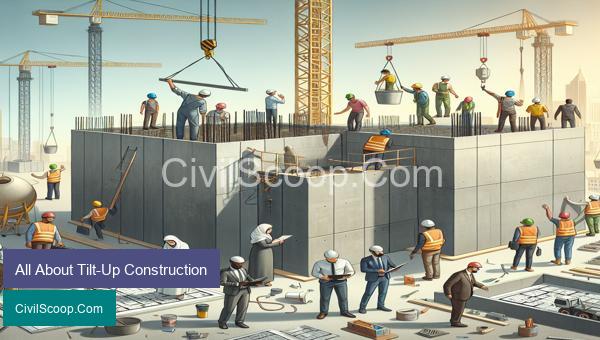
Tilt-up construction has been gaining popularity in the construction industry, and for good reason. This innovative building method offers numerous benefits for both contractors and clients, making it a top choice for many projects. In this article, we will explore all aspects of tilt-up construction, from its history and process to its advantages and applications. Whether you are a building professional or simply curious about this construction method, read on to discover all you need to know about tilt-up construction.
Table of Contents
Why Should You Choose Tilt-Up Construction
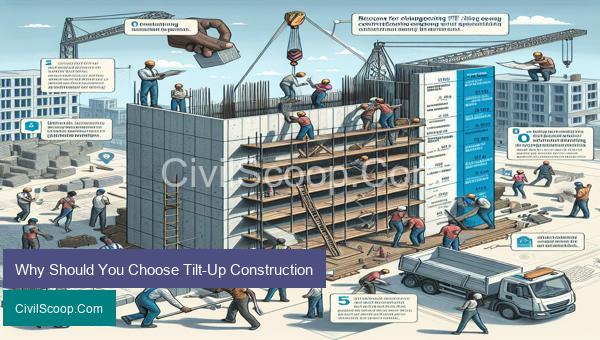
Tilt-up construction is a popular method used in building construction, where concrete panels are cast on site and then tilted up into position with the help of a crane. As a civil engineer, I have experience working with various construction methods, and in my opinion, tilt-up construction offers several advantages that make it a top choice for many projects. In this essay, I will explain why you should choose tilt-up construction for your next project.
1. Cost-effective
One of the main reasons to choose tilt-up construction is its cost-effectiveness. Since the panels are cast on-site, there is no need for expensive transportation costs. Moreover, the use of local materials and labor further reduces the overall construction costs. Tilt-up construction also requires less skilled labor, which can save on labor costs. In addition, the speed of construction is faster compared to other methods, saving time and money on project schedules.
2. Durable and long-lasting
Tilt-up panels are composed of high-strength concrete, making them durable and long-lasting. They can withstand harsh weather conditions, earthquakes, and other natural disasters. The strength of the panels also makes them resistant to fire, rot, and pests, reducing the need for frequent maintenance and repairs. This can result in cost savings in the long run.
3. Versatility in design
Tilt-up construction offers great flexibility in design. The panels can be molded into various shapes and sizes, and textures can be added to create unique and attractive finishes. The panels can also be painted or clad with other materials to achieve the desired aesthetic. This versatility in design allows for creative and innovative architectural solutions, making it a popular choice for building various structures such as warehouses, industrial buildings, and commercial spaces.
4. Energy-efficient
Tilt-up construction allows for the incorporation of insulation and energy-efficient materials, reducing energy costs for heating and cooling. The air-tight construction of tilt-up panels also helps to prevent air leakage, increasing the energy efficiency of the building. This is not only beneficial for the environment but also helps to reduce operating costs for the building owner.
5. Reduced construction time
Compared to traditional construction methods, tilt-up construction is a faster process. The panels can be precast while other site work is underway, saving valuable time and reducing the overall construction schedule. The efficiency of construction can be further increased by using specialized equipment and techniques, enabling the construction of large buildings in a short period.
In conclusion, as a civil engineer, I highly recommend tilt-up construction for its cost-effectiveness, durability, versatility in design, energy efficiency and time-saving benefits. These advantages make it a compelling option for various construction projects, and it should be considered as a top choice by engineers and contractors alike.
What is Tilt-up Construction
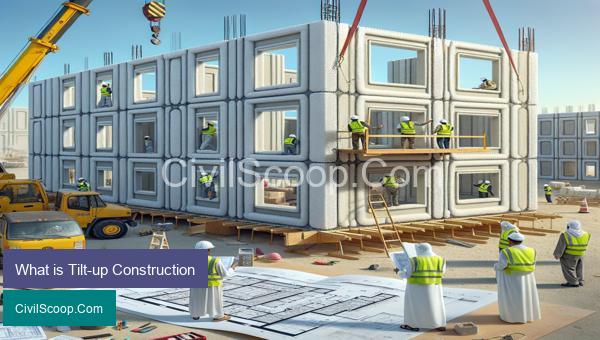
Tilt-up construction, also known as tilt-wall or tilt-slab construction, is a construction method in which concrete wall panels are cast on site and then tilted into place to form the walls of a building. This method is commonly used for low-rise commercial and industrial buildings, but can also be used for larger structures.
The process of tilt-up construction begins with the pouring of a concrete slab on the building site. The slab serves as the foundation for the building and is typically reinforced with steel rebar to provide strength and stability. Next, large concrete wall panels are cast on the slab in a horizontal position using wooden or metal forms. The panels are typically 8 to 12 inches thick and can range in size from small to as large as 50 feet in height and 100 feet in length.
Once the panels have cured and gained sufficient strength, a crane is used to tilt them into their vertical position. The panels are then temporarily braced until they are connected and secured to the foundation. Additional panels are then tilted and connected until all of the exterior walls are in place.
One of the main advantages of tilt-up construction is its speed. The entire process from casting the panels to standing them up can be completed in a matter of days, making it a much quicker method compared to traditional construction methods. This allows for faster completion of a building, reducing construction time and overall costs.
Tilt-up construction also offers a high level of durability and strength. The concrete panels are made to withstand high winds, fire, and other extreme weather conditions. They can also be designed to meet specific seismic load requirements, making it a popular choice for buildings in earthquake-prone areas.
Another benefit of tilt-up construction is its versatility. It allows for a variety of architectural finishes to be incorporated into the panels, such as brick, stone, stucco, or painted designs. This provides flexibility in design and enables the building to aesthetically blend in with its surroundings.
One of the key considerations when using tilt-up construction is the availability of large cranes and experienced operators. As the panels can be quite heavy, specialized equipment is needed to lift and tilt them into place. Proper planning and coordination with the construction team is crucial to ensure a safe and successful execution of this method.
In conclusion, tilt-up construction is a popular and efficient method for building low-rise commercial and industrial structures. Its advantages of speed, durability, versatility, and cost-effectiveness make it an attractive option for many construction projects. As technology and techniques continue to evolve, tilt-up construction is likely to remain a viable and sought-after method in the construction industry.
Reasons For Choosing Tilt-up Construction:
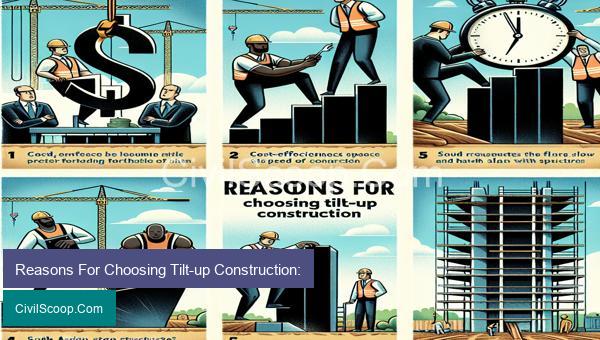
Tilt-up construction, also known as tilt-wall construction, is a method of building that involves casting concrete walls on a horizontal surface and then lifting them up into place. As a civil engineer, I have worked on various construction projects and have personally experienced the benefits of tilt-up construction. In this essay, I will discuss the various reasons why I believe tilt-up construction is an excellent choice for building projects.
1. Cost-effective: One of the primary reasons for choosing tilt-up construction is its cost-effectiveness. The process of building tilt-up walls requires fewer materials and labor compared to traditional construction methods. It eliminates the need for expensive formwork and allows for faster construction, reducing labor costs. Additionally, tilt-up construction can save on energy costs in the long run due to its insulating properties.
2. Speed of construction: Time is of the essence in any construction project, and tilt-up construction offers a faster building process compared to traditional methods. It eliminates the need for formwork and can be erected quickly, even in adverse weather conditions. This can significantly reduce the overall construction time, making it an ideal choice for projects with tight deadlines.
3. Durability and strength: Tilt-up concrete walls are known for their robustness and durability. Since the walls are cast on the ground, they are structurally sound and can withstand harsh weather conditions. This method also ensures a tight seal, making tilt-up buildings weather-resistant and energy-efficient.
4. Flexibility in design: As a civil engineer, I understand the importance of design flexibility in construction projects. With tilt-up construction, the concrete walls are created on-site and can be customized to any shape or size, making it easy to achieve any architectural vision. In fact, tilt-up can mimic the look and texture of various materials, including wood, stone, or brick, adding aesthetic value to the building.
5. Safety: The safety of construction workers and occupants is a top priority in any building project. Tilt-up construction offers a safer working environment as it eliminates the need for workers to work at height, reducing the risk of falls and accidents. The tilt-up walls also provide greater resistance to fire, high winds, and earthquakes, making them a safe choice for building in areas prone to natural disasters.
6. Cost savings for clients: The benefits of tilt-up construction also extend to the clients. As the construction process is faster and more cost-effective, the overall project costs are reduced. This makes tilt-up construction an attractive option for clients looking to build on a budget.
In conclusion, tilt-up construction offers numerous benefits and is an excellent choice for building projects. Its cost-effectiveness, speed of construction, durability, design flexibility, safety, and cost savings make it a preferred method for civil engineers like myself. As the construction industry continues to evolve and embrace new technologies, I am confident that tilt-up construction will continue to be a favored method for years to come.
Conclusion
In conclusion, tilt-up construction has become an increasingly popular method in the construction industry due to its cost-effectiveness, efficiency, and flexibility in design. Through understanding the process, benefits, and challenges of tilt-up construction, it is clear that this method offers numerous advantages for various types of buildings. The innovation and advancements in technology have also enhanced the safety and stability of tilt-up construction, making it a reliable choice for contractors and developers. As the demand for faster and more cost-efficient construction methods rises, tilt-up construction is sure to continue its upward trajectory in the industry. Overall, learning about tilt-up construction is crucial for anyone involved in the construction industry, as it provides invaluable knowledge and insights into this dynamic and promising method of building.