
Wearable technology has become increasingly prevalent in various industries, offering convenience, efficiency, and safety in the workplace. In the construction industry, where workers are often exposed to hazardous environments and physically demanding tasks, wearable technology has emerged as a game-changer. With the integration of devices such as smart helmets, smart glasses, and biometric sensors, construction companies are revolutionizing the way their employees work. In this article, we will delve into the world of wearable technology in the construction field, exploring its benefits, applications, and future prospects.
Table of Contents
Top 6 Wearable Technology in the Construction Field
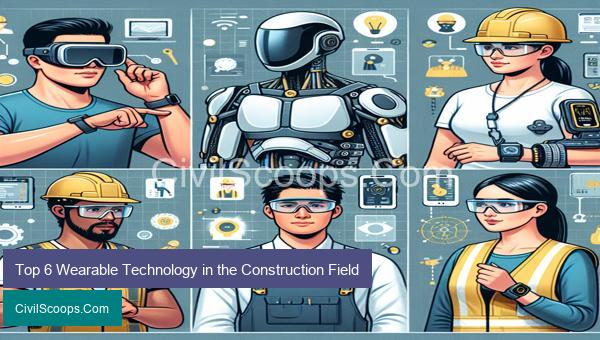
Wearable technology has greatly expanded in recent years and has found its way into the construction industry. These innovative devices are designed to be worn on the body, providing a hands-free and mobile solution for construction professionals. From improving safety to increasing productivity, here are the top 6 wearable technology in the construction field.
1. Smart Helmets
One of the most common wearable technology used in construction is smart helmets. These helmets are equipped with built-in sensors and cameras that provide real-time data and information to construction workers. They can monitor heart rate, body temperature, and detect falls, allowing immediate response in case of an accident. Smart helmets also have thermal imaging capabilities, making it easier to identify areas with potential safety hazards.
2. Smart Glasses
Smart glasses are another popular wearable technology in the construction field. These glasses have augmented reality (AR) capabilities, allowing workers to see digital models and information about the project overlaid onto the physical environment. This helps in visualizing designs, identifying potential issues, and improving communication among team members. Smart glasses also have hands-free capabilities, making it easier for workers to access information while on the job site.
3. Exoskeletons
Exoskeletons are wearable devices that are designed to support and enhance a person’s physical abilities. In the construction industry, exoskeletons are used to reduce strain and fatigue on the body, especially when performing repetitive tasks or lifting heavy objects. This wearable technology can also improve ergonomics, reducing the risk of workplace injuries and increasing efficiency.
4. Fitness Trackers
Fitness trackers have become a popular wearable technology in various industries, including construction. These devices use sensors to track physical activities, such as steps taken, distance traveled, and calories burned. In the construction field, fitness trackers can help workers keep track of their daily activity levels and promote a healthy and active lifestyle to prevent injury and improve overall well-being.
5. Smart Boots
Smart boots are another innovative wearable technology that has been introduced in the construction field. These boots are equipped with sensors that can monitor the level of force exerted on the feet and detect potential hazards, such as uneven surfaces and hidden objects. This helps to reduce the risk of tripping or falling, making the workplace safer for construction workers.
6. Location Trackers
Location trackers are wearable devices that use GPS technology to monitor the location and movement of workers on a job site. This helps improve safety by ensuring that workers do not enter hazardous areas or operate heavy machinery without proper authorization. Location trackers can also track the amount of time spent on a specific task, providing insights into worker productivity and helping managers optimize work schedules.
In conclusion, wearable technology has transformed the construction industry by combining innovative devices and smart sensors to improve safety, increase productivity, and enhance overall work efficiency. As technology continues to advance, we can expect to see even more wearable devices being introduced in the construction field, making work easier and safer for construction professionals.
Top 6 Wearable Technology in Construction
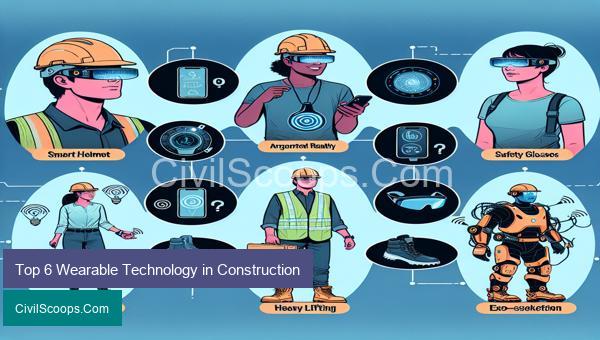
Wearable technology has revolutionized many industries, including the construction industry. The use of devices and gadgets that can be worn on the body has significantly improved safety, efficiency, and productivity on construction sites. In this article, we will discuss the top 6 wearable technology in construction.
1. Smart Helmets
Smart helmets are equipped with advanced sensors and software that can detect and analyze environmental factors such as temperature, noise levels, and air quality. They also come with a head-mounted display that provides workers with real-time data and information, such as blueprints and construction plans. Smart helmets are particularly beneficial for workers in hazardous environments as they can warn them of potential dangers and prevent accidents.
2. Exoskeletons
Exoskeletons are wearable robots designed to assist and support workers in physically demanding tasks. They can reduce the strain on workers’ muscles and joints and improve their overall physical abilities. This technology is particularly useful for workers who need to lift heavy objects or work in awkward positions for long periods. Exoskeletons not only reduce the risk of musculoskeletal injuries but also increase productivity on construction sites.
3. Smart Glasses
Smart glasses are another popular wearable technology in construction. They come equipped with a head-mounted camera, display, and voice recognition software. Workers can use them to capture and share real-time video and images with their colleagues or supervisors. This technology is particularly useful for providing remote assistance and training, as well as for quality control and safety checks.
4. Wearable GPS Trackers
Wearable GPS trackers are small devices that can be worn on workers’ uniforms or helmets. They work by using satellite signals to track and monitor the location of workers on construction sites. This technology enables companies to keep track of their workers’ movements, ensuring they are in the designated areas and not in high-risk zones. GPS trackers also have emergency alert features that can notify supervisors in case of an accident or emergency.
5. Smart Vests
Smart vests are equipped with sensors that can monitor workers’ vital signs, such as heart rate, body temperature, and fatigue levels. This technology can help detect early signs of physical strain or fatigue, allowing workers to take breaks and prevent potential health issues. It can also help companies optimize work schedules and rotations to prevent overworking and burnout.
6. Wearable Air Quality Monitors
Construction sites are often exposed to various pollutants, such as dust, chemicals, and gases, which can pose health risks to workers. Wearable air quality monitors can be worn on workers’ belts or helmets and can detect and monitor the levels of pollutants. They can alert workers when the air quality is not safe and recommend the use of personal protective equipment or evacuation if necessary.
In conclusion, wearable technology has greatly improved safety, efficiency, and productivity in the construction industry. The use of devices and gadgets such as smart helmets, exoskeletons, smart glasses, GPS trackers, smart vests, and air quality monitors has made construction sites safer and more efficient. As technology continues to advance, we can expect to see even more innovative and useful wearable technology in the construction industry.
Conclusion
In conclusion, the use of wearable technology in the construction field is rapidly increasing, revolutionizing the way construction sites operate. These devices, such as smart helmets, hardhats, and gloves, provide workers with real-time data, improve safety, and increase productivity. They also offer numerous benefits to construction companies, including cost savings and enhanced efficiency. With the continuous advancements in technology, we can expect to see even more innovative wearable devices being introduced in the near future. Overall, wearable technology is a game-changer in the construction industry, creating a safer and more efficient work environment for workers. It is crucial for construction companies to embrace this technology and incorporate it into their operations to stay competitive in the ever-evolving industry.