
Plastering is an essential part of the construction process and serves as the finishing touch to any building project. However, even with careful planning and execution, defects in plastering can occur, causing frustration and hindering the aesthetic appeal of a structure. In this article, we will delve into the various defects that can be observed in plastering, their causes, and how to prevent or fix them. Whether you are a homeowner or a construction professional, understanding these common defects will help ensure a smooth and flawless finish for your project. So, let’s dive in and explore all there is to know about defects observed in plastering.
Table of Contents
9 Types of Defects Observed in Plastering
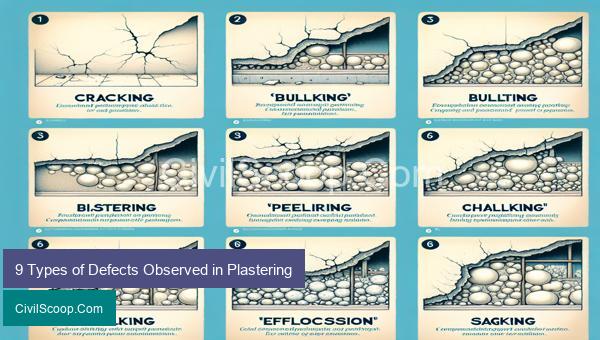
Plastering is an important aspect of building construction, as it provides a smooth and even finish to walls and ceilings. However, like any other construction work, plastering is susceptible to defects and imperfections. These defects can occur due to various reasons such as poor workmanship, improper material selection, and environmental factors. In this article, we will discuss nine types of defects that are commonly observed in plastering.
1. Blistering/ Bubbling:
Blisters or bubbles on plastered surfaces are a common defect that occurs due to the presence of air or water trapped between the plaster and the substrate. This can be caused by using a damp or contaminated substrate, poor quality or incorrect type of plastering material, or improper curing of the plaster.
2. Cracking:
Cracks in plaster can be caused by a variety of factors such as shrinkage of the plaster due to inadequate curing, structural movements, and vibrations. Cracks can also occur due to improper mix ratios of the plaster, insufficient thickness of plaster, or lack of expansion joints.
3. Hollowing/ Delamination:
Delamination or hollowing is a defect where the plaster separates from the underlying surface, creating hollow spots. This can occur due to improper adhesion between the plaster and substrate, insufficient sand in the mix, or poor workmanship.
4. Belling:
Belling is a defect where the plaster bulges outwards from the surface, creating a bell-like shape. This is commonly caused by using too much water in the mix, improper mixing techniques, or using low-quality materials.
5. Peeling:
Peeling is a defect where the plaster surface starts to come off in flakes or patches. This can occur due to inadequate curing, improper bonding, or exposure to moisture during the curing process.
6. Crazing:
Crazing is a network of fine cracks on the surface of plaster, which may give it a cracked appearance. This defect occurs when the plaster dries too quickly, and the surface contracts faster than the inner layers, causing tension and cracking.
7. Efflorescence:
Efflorescence is a common defect in plastering, where a white powdery substance appears on the surface of the plaster. This is caused by the presence of soluble salts that are brought to the surface by moisture and crystallized as it evaporates.
8. Shrinkage:
Shrinkage of plaster is a common defect that occurs when the plaster dries and contracts more than expected. This can happen when the mix ratio is incorrect, or the drying process is too rapid.
9. Discoloration:
Discoloration of plastered surfaces is a defect that can occur due to various reasons, such as uneven application of the plaster, variations in the mix ratio, or the presence of contaminants on the substrate.
In conclusion, plastering defects are common in construction projects and can be caused by a multitude of factors. These defects not only affect the appearance of the surface but can also lead to more serious issues such as structural weakness. It is important to identify and address these defects early on to ensure a durable and aesthetically pleasing plastering job. Proper selection of materials, adherence to recommended mixing ratios, and skilled workmanship are crucial in preventing these defects.
Conclusion
In conclusion, it is important to understand the different types of defects that can occur in plastering and the potential causes behind them. Whether it is cracking, bulging, or discolouration, these defects not only affect the aesthetic appearance of a structure but can also lead to structural issues if left untreated. By properly identifying and addressing these defects, it is possible to achieve a high-quality plastering finish that not only looks visually appealing but also maintains the integrity of the building. With the help of professional contractors and regular maintenance, these defects can be prevented or fixed, ensuring a durable and long-lasting plastering finish.