
Concrete is one of the most commonly used building materials, known for its strength and durability. However, even the strongest concrete is not immune to cracks. These cracks can not only impact the appearance of a structure, but also compromise its structural integrity. Prevention is key when it comes to avoiding cracks in concrete. In this article, we will delve into the various causes of concrete cracks and explore preventative measures that can be taken to ensure a long-lasting and crack-free concrete structure. Whether you are a homeowner, contractor, or simply interested in learning more about concrete, read on to discover all about preventing cracks in concrete.
Table of Contents
How to Prevent Cracks in Concrete? Causes & Repairs of Cracks in Concrete

Concrete is a widely used construction material due to its high compressive strength and durability. However, one of the main challenges in using concrete is preventing cracks from forming. Cracks in concrete can compromise the strength and integrity of the structure, leading to potential safety hazards and costly repairs. Therefore, it is crucial to know how to prevent cracks in concrete and understand the causes and methods of repairing them.
Causes of Cracks in Concrete
1. Shrinkage: Concrete shrinks as it dries and hardens, resulting in the formation of shrinkage cracks. These cracks are typically small and appear in a random pattern.
2. Settlement: Settlement cracks occur when the foundation of the concrete structure is not properly compacted, causing the concrete to sink and crack.
3. Overloading: Excessive loading or heavy weights placed on the concrete can cause it to crack.
4. Freeze-Thaw Cycles: In cold climates, water can seep into the concrete and freeze, causing the concrete to expand and crack during the winter months.
5. Improper Curing: If concrete is not cured properly, it can dry too quickly and develop cracks.
6. Drying Shrinkage: If the concrete mix has a high water-cement ratio, it can shrink as it dries, resulting in cracks.
7. Corrosion: Exposure to harsh chemicals or salt can corrode the reinforcement within the concrete, causing it to expand and crack.
Preventive Measures for Cracks in Concrete
1. Proper Mix Design: The concrete mix should be designed with the correct water-cement ratio to minimize shrinkage and cracking.
2. Adequate Curing: Concrete must be cured properly by keeping it moist for a minimum of seven days to ensure it dries slowly and reduces shrinkage.
3. Control Joints: Control joints, also known as contraction joints, are joints created in the concrete to control the location of cracks.
4. Reinforcing Steel: Adding steel bars or mesh within the concrete can provide additional tensile strength and prevent cracking.
5. Good Foundation: A well-constructed and compacted foundation can minimize settlement cracks.
6. Drainage: Adequate drainage systems should be in place to prevent water from seeping into the concrete and causing cracks.
7. Proper Construction Techniques: Following proper construction methods, such as using appropriate formwork and pouring techniques, can prevent cracking in concrete.
Repairing Cracks in Concrete
The method of repairing a crack in concrete depends on the size and severity of the crack. Small cracks can be fixed by filling them with epoxy or polyurethane injections. For larger cracks or those caused by structural deficiencies, professional assistance is necessary. The repair method may involve using steel reinforcements, pressure grouting, or even replacing a portion of the concrete.
In conclusion, preventing cracks in concrete requires careful planning, proper construction techniques, and regular maintenance. By understanding the causes of cracks and taking preventive measures, we can ensure the durability and safety of concrete structures.
Why Concrete Cracks?
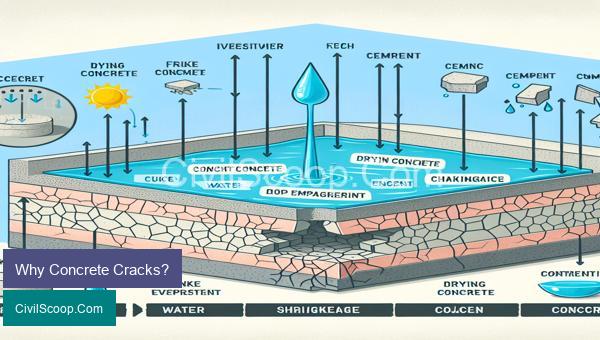
Concrete is considered to be one of the most durable and strong construction materials. However, even concrete is not immune to cracking. Cracking in concrete is a common occurrence and can happen in various forms and sizes. From very fine hairline cracks to large visible ones, they can be found in both fresh and hardened concrete structures. But why exactly does concrete crack? Let’s delve deeper into this matter.
1. Plastic Shrinkage:
One of the main reasons for concrete cracking is plastic shrinkage. This occurs when the concrete is still in its plastic state, meaning it is soft and malleable. During this stage, the water in the concrete mix evaporates, causing the volume of the concrete to decrease. If the rate of evaporation is high, the concrete’s surface tends to dry quicker than the rest, leading to shrinkage and cracking.
2. Thermal Movement:
Temperature fluctuations can have a significant impact on concrete structures. When concrete is exposed to high temperatures, it expands, and when it is exposed to low temperatures, it contracts. This continuous expansion and contraction of concrete can cause stress within the structure, leading to cracking.
3. Excessive Load:
Concrete has a certain weight-bearing capacity, and when this limit is exceeded, it can result in cracking. This is especially true in structures such as bridges and highways, where heavy loads are constantly applied. Over time, the continuous pressure can cause the concrete to crack under the weight.
4. Incorrect Concrete Mix:
The concrete mix design plays a crucial role in the strength and durability of the structure. If the mix is not designed properly, it can result in a weaker concrete with a higher chance of cracking. For example, adding too much water or using less cement can lead to a weaker concrete mix, making it more susceptible to cracks.
5. Poor Construction Practices:
Concrete must be handled and placed properly during construction to ensure its structural integrity. Poor construction practices such as inadequate compaction, improper curing, and inadequate reinforcement can cause cracking. To prevent cracking, strict quality control measures must be taken during the construction process.
6. Chemical Reactions:
Some chemicals can react with concrete and cause it to crack. For example, sulfate compounds present in soil, water or aggregates can react with the concrete’s components and cause expansion, leading to cracking. The use of aggressive chemicals in concrete mix can also cause cracking.
7. Natural Causes:
Sometimes, concrete can crack due to natural causes such as earthquakes or settlement of the soil. These events can cause the ground to shift and exert excessive pressure on the concrete structure, leading to cracks.
In conclusion, concrete can crack due to various reasons such as plastic shrinkage, thermal movement, excessive load, poor construction practices, chemical reactions, and natural causes. To prevent cracking, it is essential to use the correct concrete mix design, follow proper construction practices, and regularly maintain the structure. With proper care and maintenance, the chances of concrete cracking can be significantly reduced, ensuring the durability and longevity of the structure.
Causes of Cracks in Concrete
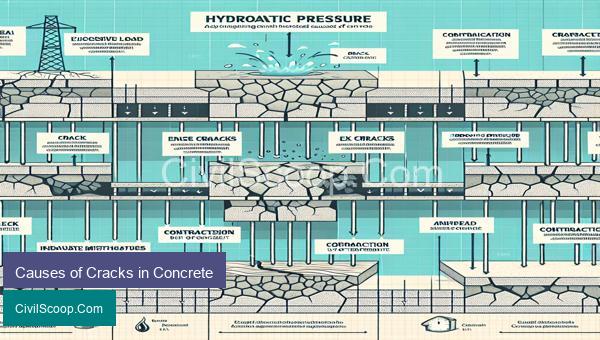
Cracks in concrete are a common issue faced by civil engineers during construction and maintenance of structures. These cracks not only compromise the structural integrity and aesthetics of the concrete but also lead to potential safety hazards. There are various causes of cracks in concrete, and understanding them is crucial in preventing their occurrence. Some of the main causes of cracks in concrete include:
1. Plastic Shrinkage:
When freshly poured concrete is exposed to hot and dry weather conditions, the surface dries up faster than the interior of the slab. This results in the development of cracks on the surface, known as plastic shrinkage cracks. These cracks are usually shallow and do not penetrate the entire depth of the concrete. They can be prevented by using curing techniques such as damp burlap or a curing compound to slow down the evaporation of water from the surface.
2. Settlement:
Settlement is a common cause of cracks in concrete, especially in large concrete slabs. Settlement occurs when the soil beneath the foundation compresses or shifts, causing the concrete to sink or settle. As a result, cracks may form due to the movement and stress on the concrete. Proper site preparation and soil testing can help prevent settlement cracks.
3. Thermal Movement:
Concrete expands and contracts with changes in temperature. If the temperature fluctuates rapidly, the concrete may not have enough time to adjust, leading to thermal cracks. These cracks are most likely to occur in large concrete structures such as bridges or buildings where there are significant temperature variations between day and night or between seasons. The use of expansion joints to allow for thermal movement can help prevent these cracks.
4. Overloading:
Concrete is designed to withstand a certain amount of load and stress. If the load exceeds this limit, it can cause the concrete to crack. This is commonly seen in structures such as bridges, which may experience overloading due to heavy vehicles or structures that are not built to withstand the expected loads. Proper design and reinforcement can prevent cracks caused by overloading.
5. Chemical Reactions:
Certain chemicals present in the environment can react with the concrete, leading to cracks. Sulfates in soil or water, acidic rain, and industrial pollutants are some examples of chemicals that can cause concrete to crack. These reactions can degrade the concrete, reducing its strength and contributing to the formation of cracks. Therefore, it is essential to use appropriate materials and protective coatings to prevent chemical reactions.
6. Insufficient Reinforcement:
Reinforcement, such as steel bars, is used to reinforce concrete and provide tensile strength. If the amount or placement of reinforcement is inadequate, it can cause the concrete to crack under stress. It is crucial to follow the required reinforcement design and placement guidelines to prevent such cracks.
In conclusion, cracks in concrete can be caused by a variety of factors, including environmental conditions, poor construction practices, and material deficiencies. As a civil engineer, it is vital to identify and address these causes during the design and construction stages to prevent cracks from occurring. Regular inspection, maintenance, and repair can help prolong the life of concrete structures and ensure their safety and functionality.
Types of Cracks in Concrete

Concrete is a widely used construction material due to its strength, durability, and economic feasibility. However, like any other material, concrete can also develop cracks over time due to various reasons. These cracks not only affect the aesthetics of the structure but can also compromise its structural integrity. As a civil engineer, it is crucial to understand the different types of cracks in concrete to determine the cause and take appropriate measures to prevent them.
1. Plastic Shrinkage Cracks:
These are thin, hairline cracks that occur on the surface of fresh concrete during the first few hours after pouring. They are caused by rapid moisture loss due to high temperatures, low humidity, and wind. Plastic shrinkage cracks are more likely to occur in large and flat areas of concrete, such as slabs, pavements, and walls.
2. Drying Shrinkage Cracks:
As the name suggests, these cracks occur due to the shrinkage of concrete as it dries. This happens because of the evaporation of excess water from the concrete mixture during the curing process. Drying shrinkage cracks are common in large concrete structures like buildings, bridges, and dams.
3. Thermal Cracks:
Extreme temperature variations can cause thermal cracks in concrete. When exposed to high temperatures, concrete expands, and when exposed to low temperatures, it contracts. These temperature-induced movements can cause cracks in the concrete, particularly in areas with significant temperature differences between day and night.
4. Settlement Cracks:
Uneven settlement of the building foundation can cause settlement cracks in concrete. These cracks are mostly seen in newly constructed structures and can occur due to inadequate or poorly compacted soil, changes in soil moisture content, and external forces like earthquakes or nearby excavation.
5. Flexural Cracks:
Flexural or bending cracks occur due to excessive stress on the concrete member. These cracks are mostly seen in reinforced concrete structures like beams and slabs, which are subjected to heavy loads or inadequate reinforcement. They are wider and deeper compared to other types of cracks and can be detrimental to the structural stability of the building.
6. Shear Cracks:
Shear cracks occur in concrete structures when the applied load exceeds the shear strength of the material. They are mostly seen in slabs, beams, and columns and can be identified by their diagonal orientation. Shear cracks occur due to inadequate or improper reinforcement, poor quality concrete, or excessive loading.
7. Chemical Reaction Cracks:
Certain chemical reactions can cause cracks in concrete structures. Alkali-aggregate reaction, also known as “concrete cancer,” occurs when the alkalis in the cement react with the silica in the aggregates, resulting in the expansion of concrete and cracking. Sulfate attack is another chemical reaction that can cause cracks by weakening the bond between cement paste and aggregates.
In conclusion, understanding the different types of cracks in concrete is essential for civil engineers to diagnose the cause and take appropriate measures for their prevention. Regular inspection and maintenance of concrete structures can help in identifying cracks at an early stage and addressing them promptly, ensuring the durability and safety of the structure.
How to Prevent Cracks in Concrete Structures?
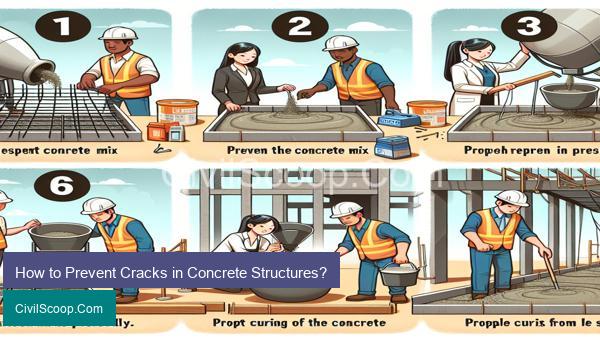
Concrete is a widely used construction material due to its strength, durability, and affordability. However, it is prone to cracking, which can weaken the structure and affect its lifespan. Cracks in concrete structures can be caused by various factors such as shrinkage, temperature changes, excess water, poor construction practices, and overloading. Therefore, it is essential to take preventive measures to avoid cracks in concrete structures. Here are some ways to prevent cracks in concrete structures:
1. Proper mixture proportions: The concrete mix proportions play a crucial role in the strength and durability of the structure. Improper mix proportions, such as using too much water, can cause shrinkage and cracking. Hence, it is essential to follow the recommended mix design for the specific application.
2. Adequate curing: Curing is a process that involves keeping the concrete moist for a specific time to allow it to gain strength. Insufficient or improper curing can lead to rapid moisture loss, which can cause shrinkage cracks. Therefore, it is crucial to provide adequate curing by using methods such as wet burlap, plastic sheeting, curing compounds, or water spraying.
3. Joint spacing: Joints are planned cracks that allow for shrinkage and thermal expansion of concrete. They are essential to prevent random cracks that can affect the structural integrity. The joint spacing and depth should be carefully designed based on the type of structure and environmental conditions.
4. Controlling temperature changes: Temperature changes can cause significant stresses in concrete, leading to cracks. Several techniques can be used to control temperature changes, such as using low-heat cement, insulating the concrete, and implementing joint spacing and depth.
5. Quality control during construction: Poor construction practices, such as inadequate compaction, improper formwork installation, and incorrect placement of reinforcement, can cause cracking in concrete structures. Hence, it is crucial to have proper quality control measures in place to ensure that the construction is carried out as per the design and specifications.
6. Reinforcement design: The reinforcement design should be done carefully to ensure that the structure can resist stresses from loads and temperature changes. Insufficient reinforcement or incorrect placement can lead to cracks in concrete structures.
7. Improving mix design with admixtures: Admixtures, such as plasticizers and superplasticizers, can improve concrete’s workability and reduce water demand, minimizing the risk of shrinkage and cracks. Additionally, shrinkage-reducing admixtures can help to mitigate drying shrinkage.
8. Regular maintenance: Even with proper preventive measures, cracks can occur in concrete structures due to natural causes or aging. Regular inspection and maintenance can help to detect and repair cracks at an early stage before they become a significant problem.
In conclusion, preventing cracks in concrete structures requires a holistic approach involving proper mix design, curing, joint spacing, temperature control, quality control during construction, reinforcement design, and regular maintenance. By implementing these measures, the chances of cracks in concrete structures can be significantly reduced, ensuring the long-term durability and safety of the structure.
Repairing Methods of Cracks in Concrete
Cracks in concrete structures are a common problem encountered by civil engineers during construction or over time due to external factors such as weathering, shifting of the foundation, or improper curing. These cracks can significantly affect the structural integrity of the concrete and compromise its overall strength and durability. Therefore, it is essential to repair these cracks promptly to prevent further damage and maintain the structural stability of the concrete.
There are various methods for repairing cracks in concrete structures. The choice of method depends on the type and severity of the crack, as well as the condition of the structure. Here are some of the most commonly used methods for repairing cracks in concrete:
1. Epoxy Injection Method:
Epoxy injection is a common and effective method for repairing cracks in concrete. In this method, a low-viscosity epoxy resin is injected into the cracks under pressure. The epoxy fills the crack and forms a strong bond with the concrete, restoring its structural integrity. This method is best suited for repairing narrow and deep cracks in vertical or horizontal surfaces.
2. Routing and Sealing Method:
Routing and sealing is a more extensive and time-consuming method for repairing cracks in concrete. In this method, the cracked area is first cleaned and then widened using a mechanical saw or router. The enlarged crack is then filled with a suitable sealant, such as silicone, polyurethane, or epoxy. This method is suitable for both narrow and wide cracks, and it provides a more permanent and waterproof seal.
3. Concrete Patching Method:
Concrete patching is a simple and cost-effective method for repairing minor cracks in concrete. It involves removing the damaged concrete around the crack and filling the void with a cement-based patching material. This method is suitable for repairing hairline cracks and small surface defects, but it may not be as effective for more significant cracks.
4. Stitching Method:
The stitching method is suitable for repairing wide cracks in concrete. In this method, holes are drilled on both sides of the crack, and steel dowels or pins are inserted and anchored on each end. This effectively ties the cracked pieces of concrete together, preventing them from moving and spreading the crack further.
5. Carbon Fiber Reinforcement Method:
Carbon fiber reinforcement is a relatively new and innovative method for repairing structural cracks in concrete. In this method, high-strength carbon fiber strips are bonded to the surface of the crack using an epoxy adhesive. The carbon fibers provide tensile strength, preventing the crack from widening and providing long-term stability.
It is essential to note that all of these methods are most effective when the cracks are repaired as soon as possible. Delayed repairs can lead to further damage and increase the cost and complexity of the repair process. Regular inspections and maintenance can also help identify and repair cracks before they become more significant problems.
In conclusion, the choice of the repair method for concrete cracks depends on several factors, including the type and severity of the crack, the age and condition of the structure, and the availability of materials and equipment. It is best to consult a professional engineer to determine the most suitable repair method for your specific situation to ensure long-term structural stability and prevent future issues.
Conclusion
In conclusion, preventing cracks in concrete is essential to maintaining the structural integrity and longevity of any concrete construction project. By properly planning, designing, and executing the project, as well as implementing preventive measures such as proper curing and controlling shrinkage, cracks can be significantly reduced or eliminated. Other factors such as using quality materials, following industry standards, and regular maintenance can also play a crucial role in preventing cracks in concrete. With a thorough understanding of the causes of cracks and the preventive measures available, concrete structures can be built to last for years to come. It is imperative for construction professionals and homeowners alike to prioritize preventing cracks in concrete to ensure safe and durable structures.