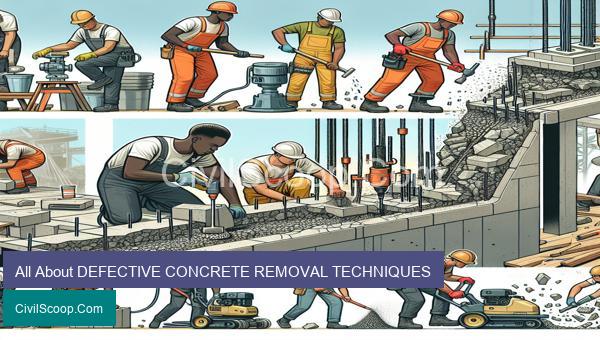
Concrete is a widely used construction material known for its durability and strength. However, even the most well-constructed concrete is not immune to defects. The presence of defects in concrete can greatly compromise its integrity and pose safety hazards. That is why it is crucial to have effective techniques for removing defective concrete. In this article, we will explore all about defective concrete removal techniques, including their importance, common methods used, and best practices to ensure successful and safe removal. By understanding these techniques, builders and homeowners can ensure the safety and longevity of their concrete structures.
Table of Contents
DEFECTIVE CONCRETE REMOVAL TECHNIQUES
Concrete is a crucial material used in the construction industry due to its strength, durability, and versatility. However, like any other material, concrete is susceptible to defects. These defects can occur due to a variety of reasons such as improper mixing, insufficient curing, or poor workmanship. Defective concrete not only poses a safety hazard but also affects the structural integrity of the entire building. Therefore, it is essential to identify and remove defective concrete as soon as possible using appropriate techniques to ensure the safety and longevity of the structure.
Various techniques are available for removing defective concrete, and the choice of method depends on the extent and type of defect, as well as the location and accessibility of the affected area. Some common techniques used for removing defective concrete are discussed below.
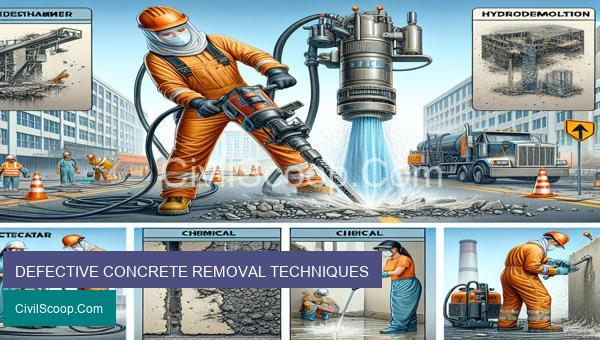
1. Jackhammering: This is one of the most commonly used techniques for removing concrete. It involves using a pneumatic or electric-powered jackhammer to break and remove the concrete. Jackhammering is suitable for removing small areas of defective concrete and can be done manually or with the help of larger, more powerful machines. However, this method is relatively labor-intensive and can be time-consuming, especially for larger areas.
2. Diamond saw cutting: Diamond saw cutting is a preferred method for removing concrete in larger, thicker sections. This technique involves using a circular saw with diamond-tipped blades to cut through the concrete, creating predetermined break points for removal. Diamond saw cutting is faster and more precise than jackhammering, making it suitable for larger and more complex concrete removal projects.
3. Hydrodemolition: Hydrodemolition, also known as hydroblasting, is a method that utilizes a high-pressure water jet to remove the defective concrete. The water jet can exert pressure of up to 40,000 psi, which is strong enough to break down concrete without causing vibrations or damage to the surrounding areas. This method is ideal for removing defective concrete in areas where noise and dust control are crucial, such as in urban areas.
4. Chemical removal: This method involves using chemicals to dissolve and weaken the concrete, making it easier to remove. Various chemical agents are available for this purpose, including acids, alkalis, and enzymes. Chemical removal is useful for removing thin layers of defective concrete and can also be used in combination with other methods such as jackhammering for more efficient removal.
5. Thermal lancing: Thermal lancing is a method that uses an oxygen and fuel mixture to generate intense heat, which is directed to a specific area. The heat produced by this process melts the concrete, making it easier to remove. Thermal lancing is beneficial for removing defective concrete in areas where noise and vibrations must be kept to a minimum, such as in residential buildings or hospitals.
Whichever technique is used, it is crucial to ensure proper safety measures are in place for the workers involved. This includes using personal protective equipment and following proper procedures to prevent accidents and injuries.
In conclusion, removing defective concrete is a critical process in construction that requires careful consideration of various factors. It is essential to choose the most appropriate removal technique based on the extent and type of defect, location, and accessibility of the area, and safety precautions. Proper removal of defective concrete not only ensures the safety of the structure but also allows for the installation of new concrete, thereby maintaining the integrity and longevity of the building.
Conclusion
In conclusion, it is essential to understand the importance of proper concrete removal techniques, especially when dealing with defects. From identifying the cause of the defect to choosing the appropriate removal method, each step plays a crucial role in ensuring a successful and safe removal process. Remember to always consult with a professional and prioritize safety measures to avoid any potential hazards. By following these guidelines and implementing the right techniques, you can effectively remove defective concrete and prevent it from recurring in the future. With proper removal, you can ensure the longevity and durability of your concrete structures.