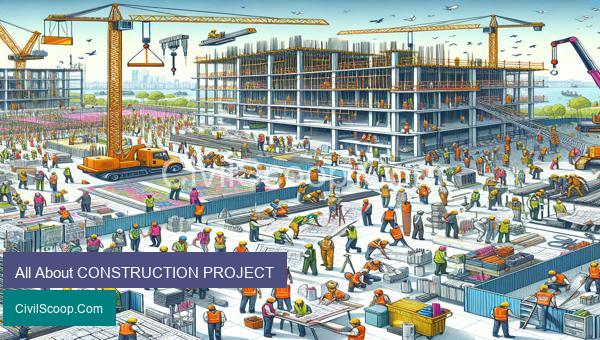
Construction projects are a vital part of both urban and rural development, shaping the world we live in. They can range from small residential buildings to large-scale infrastructure projects, but they all have one thing in common – they require extensive planning, resources, and expertise to bring them to life. In this article, we will dive into the world of construction projects, exploring the different phases, key players, and challenges involved in creating structures that not only meet our needs but also stand the test of time. Whether you are an aspiring construction project manager or simply interested in how the physical world is shaped, this article will provide a comprehensive overview of all things construction project.
Table of Contents
CHARACTERISTICS OF A CONSTRUCTION PROJECT
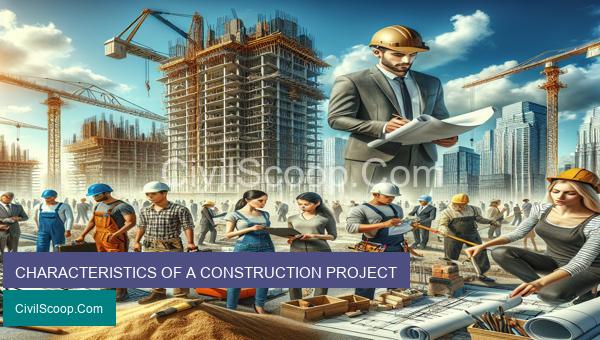
A construction project is a large-scale undertaking that involves the development, expansion, renovation, or maintenance of a physical structure. This could include buildings, roads, bridges, airports, dams, or any other type of infrastructure. As a civil engineer, I have extensive experience working on various types of construction projects, and I have come to understand the unique characteristics that are common to all of them. In this essay, I will discuss the key characteristics of a construction project.
1. Complexity: Construction projects are highly complex and involve various interdependent tasks, processes, and stakeholders. They require careful planning, coordination, and management to ensure successful completion. The complexity of a construction project increases with its size, scope, and the number of stakeholders involved.
2. Long Duration: Most construction projects are long-term endeavors that can last for months or even years. They typically involve multiple phases, such as design, procurement, construction, and commissioning, which require extensive time and effort for completion.
3. Cost: Construction projects require significant financial resources to cover the expenses of labor, materials, equipment, and other associated costs. The budget for a construction project is carefully planned and monitored to ensure the project stays within its allocated funds.
4. Risk: As with any large-scale project, there are potential risks associated with construction projects. These can include financial risks, safety risks, environmental risks, and technical risks. Construction project managers must identify and mitigate these risks to ensure the project’s success.
5. Interdisciplinary Team: Construction projects involve a diverse team of professionals from various disciplines, such as architects, engineers, contractors, subcontractors, suppliers, and consultants. Each member brings unique skills and expertise to the project, and effective collaboration is essential for project success.
6. Use of Technology: Construction projects utilize various technologies, such as 3D modeling, Building Information Modeling (BIM), and project management software, to enhance efficiency, accuracy, and collaboration. As a civil engineer, I have noticed a significant increase in the use of technology in the construction industry over the years.
7. Regulations and Codes: Construction projects must comply with relevant building codes, regulations, and standards to ensure quality and safety. These requirements may vary depending on the location and type of project, and it is the responsibility of the project team to adhere to these guidelines.
8. Changes and Uncertainty: Construction projects are subject to changes throughout their duration. These changes could be due to design modifications, unforeseen conditions, or external factors such as weather or material availability. As a result, construction projects can be unpredictable, and project managers must be able to adapt and manage uncertainty effectively.
9. Environmental Impact: Construction projects can have a significant impact on the environment, including air and water pollution, noise, and waste generation. It is crucial for construction projects to adhere to environmental regulations and implement sustainable practices to minimize their impact on the environment.
10. Client Satisfaction: Ultimately, the success of a construction project is measured by the satisfaction of the client. The project must meet the client’s expectations and be delivered on time, within budget, and to the desired quality. Client satisfaction is crucial for securing repeat business and maintaining a good reputation in the construction industry.
In conclusion, construction projects are complex and dynamic endeavors that require the collaboration of various stakeholders, the use of technology, and adherence to regulations and standards. As a civil engineer, I have learned that successful construction projects require careful planning, effective communication, and meticulous project management to deliver quality
Conclusion
In conclusion, construction projects play a crucial role in shaping our built environment. From large-scale infrastructure developments to small residential buildings, each project requires careful planning, efficient management, and skilled labor to be successful. Understanding the key components of a construction project, such as the design, budgeting, and scheduling, is essential for project managers, contractors, and stakeholders. The construction industry continues to evolve with advancements in technology and sustainability, making it an exciting and dynamic field to be a part of. As we continue to invest in new developments and maintenance of existing structures, construction projects will remain an integral part of our society. Thus, it is essential to continue learning and staying up-to-date with the latest trends and practices in this ever-evolving industry.