
Concrete filled steel tube (CFST) columns have gained popularity in the construction industry due to their high strength, stability, and durability. These columns are a composite structural system, combining the benefits of steel and concrete to create a versatile and efficient structural element. In this article, we will delve into the details of CFST columns, exploring their characteristics, design considerations, and applications in modern construction. Whether you are a student, professional engineer, or simply curious about construction materials, this article will provide you with a comprehensive understanding of CFST columns. So let’s dive in and discover all there is to know about these fascinating structures.
Table of Contents
CONCRETE FILLED STEEL TUBE COLUMNS
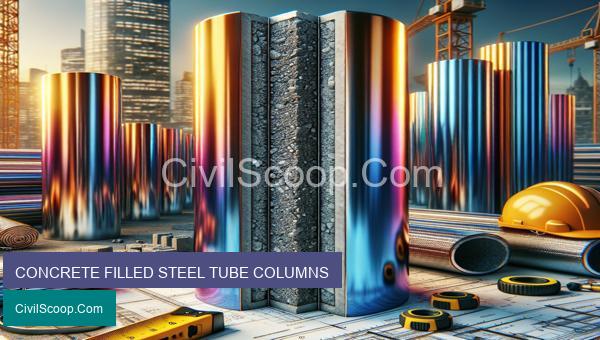
Concrete filled steel tube (CFST) columns are structural elements that combine the benefits of both concrete and steel. They consist of a steel tube filled with concrete and offer a high strength-to-weight ratio, making them a popular choice for high-rise buildings, bridges, and other structures.
The concept of CFST columns dates back to the 1930s, when they were first used for bridge construction in Europe. However, their use was limited due to inadequate construction techniques and materials at the time. It was not until the 1970s that advancements in steel technology and construction methods led to their widespread use in high-rise buildings.
The design of CFST columns follows the principles of composite construction, where the combination of two materials results in a stiffer and stronger section than either material alone. The steel tube acts as the outer shell, providing resistance to bending and buckling forces, while the concrete core takes compression loads. This composite action leads to a more efficient use of materials, reducing the overall weight of the structure.
One of the key advantages of CFST columns is their high load-carrying capacity. The steel tube provides tensile strength, while the concrete core provides compressive strength. This allows for shorter and slimmer columns compared to traditional reinforced concrete or steel columns, thus offering more usable space and flexibility in design.
CFST columns also have a high resistance to fire, as the steel tube acts as a heat sink, dissipating heat away from the concrete core and delaying its exposure to high temperatures. This allows for a longer fire resistance period, making them a safer option for buildings.
In addition to their structural benefits, CFST columns are also more sustainable than traditional reinforced concrete columns. The use of steel in the structure reduces the amount of concrete needed, resulting in a lower carbon footprint. Furthermore, the steel tube can be recycled at the end of its life, making it a more environmentally friendly choice.
The construction of CFST columns follows a similar process to reinforced concrete columns, where the steel tubes are erected and then filled with concrete. However, additional detailing is required at the connections between the columns and other structural members to ensure proper composite action.
In conclusion, concrete filled steel tube columns are a highly efficient and sustainable structural option for modern buildings and bridges. Their unique combination of steel and concrete offers a myriad of benefits, making them a popular choice for engineers and architects alike. With continued advancements in technology and construction techniques, CFST columns are expected to play a significant role in the construction of structures in the future.
Conclusion
In conclusion, concrete filled steel tube columns offer a multitude of benefits that make them a popular choice in the construction industry. Their high strength, durability, and fire resistance make them suitable for a wide range of applications, from low-rise buildings to high-rise structures. Additionally, their flexibility in design, ease of construction, and cost-effectiveness make them a practical option for various projects. With ongoing research and advancements, concrete filled steel tube columns continue to evolve and improve, making them an essential element in modern construction methods. As we continue to push the boundaries of engineering and construction, it is clear that concrete filled steel tube columns will play a crucial role in shaping the buildings and structures of the future.