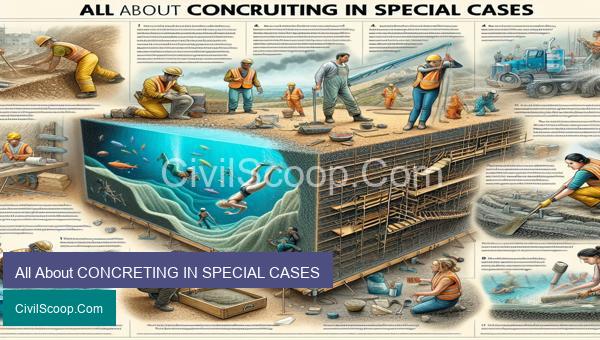
Concreting is a widely used construction technique that has been used for centuries to create strong and durable structures. However, there are special cases in which concreting techniques need to be tailored and adapted to unique circumstances. In this article, we will delve into the world of concreting in special cases, exploring the challenges and considerations involved in various scenarios. From extreme weather conditions to unconventional structures, we will examine the factors that make these cases distinct and the techniques used to successfully complete these projects. Whether you are a construction professional or someone with a keen interest in concrete, this article will provide valuable insights into the fascinating world of concreting in special cases.
Table of Contents
REQUIREMENTS OF CONCRETING IN SPECIAL CASES
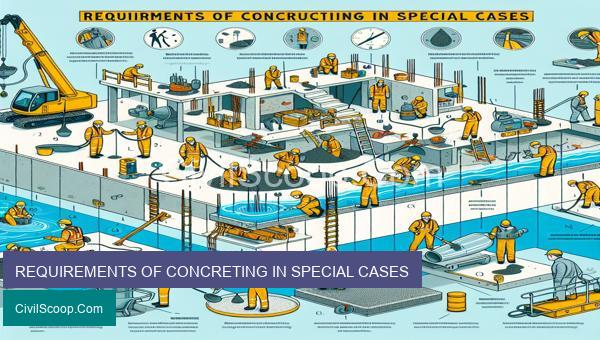
Concreting is the process of pouring, shaping, and finishing concrete to create a strong and durable surface. It is a common construction practice used in various types of structures, including buildings, roads, bridges, dams, and more. However, in some cases, the standard concreting methods may not be sufficient and special considerations are required. In this article, we will discuss the requirements of concreting in special cases.
1. Extreme Weather Conditions:
In areas where there are extreme weather conditions, such as high temperatures, heavy rainfall, or freezing temperatures, concreting requires special attention. In high temperatures, concrete can dry out quickly, leading to shrinkage and cracks. To prevent this, it is necessary to control the temperature of the concrete mix by adding cool water or using ice flakes. In cold weather, proper curing and insulation are essential to prevent freezing of the concrete, which can weaken its strength.
2. Underwater Concreting:
Concreting underwater is a challenging task that requires special equipment and techniques. It is often used in the construction of marine structures like piers, dams, and bridges. The main challenge in underwater concreting is to prevent the washout of the cement from the concrete mix due to the pressure of water. Special types of admixtures, such as corrosion inhibitors, are added to the concrete to increase its durability in the underwater environment.
3. High-Rise Structures:
In the construction of high-rise buildings, the concrete used must have a high strength and workability to withstand the high load and pressure. Also, the pouring and curing methods need to be carefully planned to ensure that the concrete does not slump or set too quickly. Special pumping techniques, such as high-pressure pumping, are often used to deliver the concrete mix to higher levels of the building.
4. Concreting in Seismic Zones:
In areas that are prone to earthquakes, the concrete used in construction must have high ductility and strength to withstand the lateral forces. The cement content and the water-cement ratio must be carefully controlled to achieve a dense and strong concrete mix. The reinforcing bars must also be adequately designed and placed to enhance the structural integrity of the concrete members.
5. Repair and Rehabilitation Works:
In cases where existing concrete structures are damaged or deteriorated, special concreting techniques must be used to repair or restore them. This may involve using special admixtures, such as accelerators or retarders, to adjust the setting time of the concrete. Also, surface preparation and bonding agents must be used to ensure the proper adhesion of the new concrete to the existing structure.
In conclusion, concreting in special cases requires a detailed understanding of the project conditions and careful planning to ensure the quality and durability of the concrete structure. It is essential to consider the specific requirements and use appropriate techniques and materials to achieve the desired results. As a civil engineer, it is crucial to have a thorough knowledge of these special concreting cases and be able to apply them effectively in construction projects.
Conclusion
Overall, concreting in special cases requires careful consideration and planning to ensure a successful outcome. From extreme weather conditions to challenging site locations, it is important to assess potential challenges and adjust techniques and materials accordingly. With the use of specialized equipment, skilled workers, and proper guidance from engineers, the process of concreting in these situations can be efficient, safe, and effective. By understanding the unique requirements and following proper techniques, construction projects in special cases can achieve high-quality and long-lasting results. As technology, materials, and techniques continue to advance, the possibilities for successful concreting in special cases are endless.