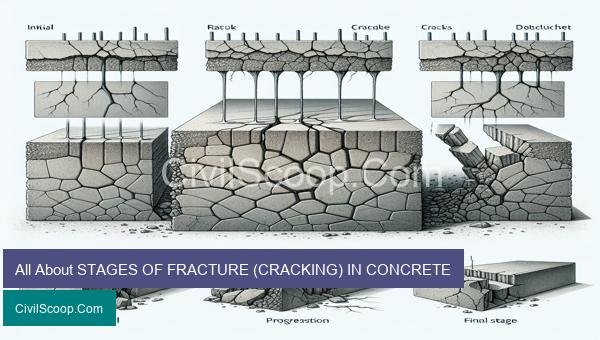
Concrete is one of the most widely used construction materials due to its strength, durability, and versatility. However, like any other material, it is susceptible to damage and cracks over time. One of the most significant threats to the integrity and safety of concrete structures is the occurrence of fractures or cracking. These fractures can occur at any stage of the concrete’s lifespan and can have severe consequences if left untreated. This article will delve into the various stages of fracture in concrete, from initial formation to complete failure, and the causes, effects, and necessary repair techniques at each stage. Understanding the different stages of fracture in concrete is crucial for maintaining the integrity of structures and ensuring their safety.
Table of Contents
STAGES OF FRACTURE (CRACKING) IN CONCRETE
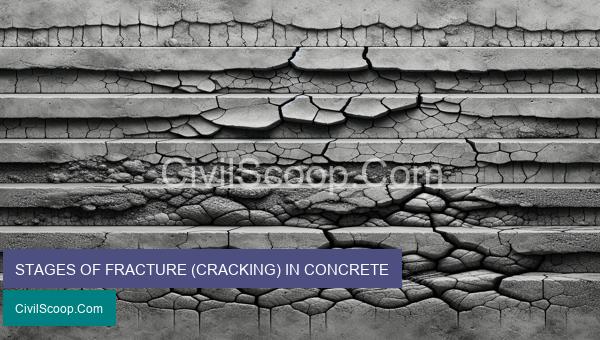
Concrete is a commonly used construction material due to its strength, durability, and low cost. However, like all materials, it is susceptible to fracture or cracking when subjected to excessive loads or stress. The process of cracking in concrete can occur in several stages, each with its own characteristics and implications. Here are the stages of fracture (cracking) in concrete:
1. Microcracking: This is the initial stage of cracking in concrete, and it is not visible to the naked eye. Microcracks are tiny cracks that occur within the cement paste or along the aggregate-cement matrix interface. They are caused by the drying shrinkage of the concrete when water is lost due to hydration or evaporation. Microcracking does not affect the overall strength of the concrete, but it can lead to a decrease in its durability as it provides paths for harmful substances to enter the concrete and cause damage.
2. Surface cracking: As the load or stress on the concrete increases, the microcracks start to propagate and join together, forming visible surface cracks. These cracks may be hairline or wider, depending on the severity of the load. Surface cracking is usually seen on the surface of the concrete, but it can also occur at the interface between the concrete and reinforcement. At this stage, the structural integrity of the concrete is still intact, but if the cracking is not addressed, it can progress to the next stage.
3. Structural cracking: When the load or stress on the concrete exceeds its ultimate strength, the concrete will undergo structural cracking. This type of cracking occurs when the concrete fails under compression, tension, or shear forces. Structural cracks can be seen on both the surface of the concrete and within its interior. They can greatly affect the structural integrity of the concrete and may require immediate repair to prevent further damage.
4. Deterioration: If the structural cracks are not repaired, the concrete will continue to deteriorate. This is a progressive stage of cracking where the cracks get wider and longer, and the concrete loses its structural capacity. The deterioration process is accelerated when the concrete is exposed to moisture, chemicals, and other environmental factors. In severe cases, the concrete may completely fail, resulting in a collapse.
5. Complete failure: This is the final stage of cracking in concrete, where the concrete structure fails completely due to excessive cracking or deterioration. This can have severe consequences, not only on the construction but also on the safety of people and property. Complete failure can occur due to improper design, poor construction practices, or undetected defects in the concrete.
In conclusion, the stages of fracture or cracking in concrete can range from microcracking to complete failure. It is essential to identify and address cracking in its early stages to prevent further damage and maintain the structural integrity of concrete structures. Regular maintenance and proper construction practices can help minimize the risk of cracking in concrete.
Conclusion
In conclusion, understanding the different stages of fracture in concrete is essential for proper diagnosis and repair of damaged structures. Various factors such as loading mechanisms, concrete strength, and environmental conditions can significantly impact the progression and severity of cracking. It is crucial for engineers, contractors, and maintenance personnel to be well-informed about the various stages of fracture in concrete to effectively address and prevent structural failures. By following preventive measures and implementing appropriate repair techniques, we can ensure the durability and longevity of concrete structures. Through continuous research and advancements in construction materials, we can continue to improve our understanding of fracture in concrete and develop better methods to mitigate its effects. Ultimately, this will lead to stronger and safer structures for our communities.