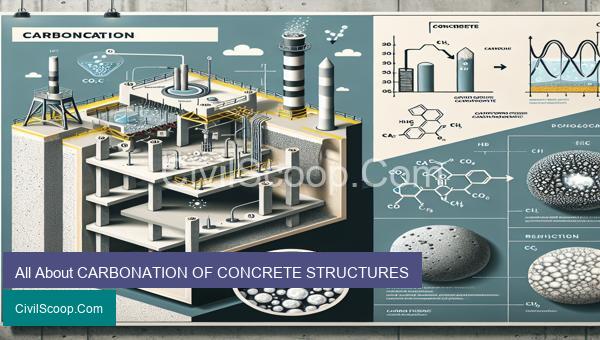
Carbonation is a chemical process that occurs naturally in concrete structures over time. It is a process of absorption of carbon dioxide from the atmosphere into the concrete, causing a reaction that lowers the pH level. This results in a decline of the alkalinity, weakening the protective layer of steel reinforcement and thereby affecting the structural integrity and durability. The carbonation of concrete structures has become a major concern for the construction industry due to its potential to accelerate the deterioration process of buildings and other structures. In this article, we will delve into the details of carbonation and its effects on concrete structures, providing a comprehensive understanding of this important subject.
Table of Contents
CARBONATION OF CONCRETE STRUCTURES
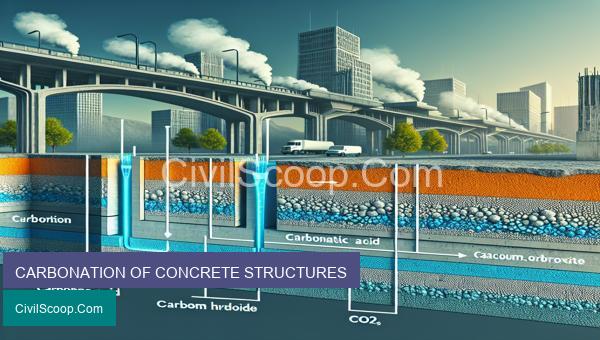
Carbonation of concrete structures is a natural process that occurs over time due to the presence of carbon dioxide (CO2) in the atmosphere. This process involves the penetration of CO2 into the pores of concrete, which leads to the formation of carbonic acid, resulting in a gradual decrease of the pH of concrete. This can have significant implications for the structural integrity and durability of concrete structures.
The carbonation of concrete typically starts at the surface and progresses inward. As CO2 diffuses through the concrete, it reacts with calcium hydroxide (portlandite) in the cement to form calcium carbonate. This reaction not only decreases the alkalinity of the concrete, but it also reduces the presence of calcium hydroxide, which is a critical component for the strength and durability of concrete. Additionally, the carbonation process also increases the porosity of concrete, making it more susceptible to moisture ingress and deterioration.
The rate of carbonation is influenced by various factors such as the surrounding environmental conditions, concrete mix design, and quality of construction. Higher temperatures, humidity, and presence of moisture accelerate the carbonation process, while colder and drier conditions can slow it down. In terms of concrete mix design, a higher water-cement ratio, lower cement content, and lower curing temperature can increase the rate of carbonation.
The effects of carbonation on concrete structures can be severe and should not be underestimated. One of the most significant consequences is the corrosion of reinforcement steel. As the carbonated concrete loses its alkalinity, it can no longer provide a protective layer to the steel, making it prone to corrosion. This can lead to significant structural damage, reduced load-bearing capacity, and ultimately, failure of the structure.
To mitigate the effects of carbonation, various preventive measures can be taken during the design and construction stages of concrete structures. These include using proper concrete mix design and quality materials, providing adequate cover to reinforcement steel, and utilizing cement blends with high levels of portlandite. Effective waterproofing and proper maintenance practices can also help slow down the carbonation process.
In conclusion, carbonation of concrete structures is a natural process that can have detrimental effects on the durability and integrity of concrete. It is essential for civil engineers to consider this process during the design and construction stages to ensure the long-term performance of concrete structures. Regular inspections and maintenance programs should also be implemented to monitor the carbonation progress and take necessary actions to prevent potential structural failures.
Conclusion
In conclusion, understanding the process of carbonation and its effects on concrete structures is crucial for engineers, architects, and builders. By using proper materials, techniques, and maintenance practices, the negative effects of carbonation can be minimized, leading to longer lifespans and better performance of concrete structures. It is important to constantly monitor and assess the carbonation levels in concrete structures to ensure their durability and safety. As advancements in technology and research continue to improve our understanding of carbonation, we can expect to see even more effective strategies and solutions for mitigating its impact on concrete structures. Overall, incorporating proper carbonation control measures is essential for the long-term sustainability of our built environment.