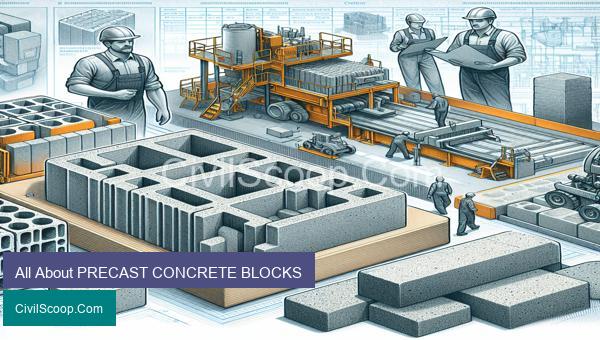
Precast concrete blocks have become a popular construction material in recent years due to their numerous advantages over traditional poured-in-place concrete. These blocks are prefabricated in a controlled environment, then transported to the construction site for easy and efficient installation. With the demand for sustainable and affordable building solutions on the rise, precast concrete blocks offer a perfect balance of cost-effectiveness, durability, and versatility. In this article, we will delve into the details of all you need to know about precast concrete blocks, their benefits, uses, and how they compare to other building materials. Whether you’re a construction professional, homeowner, or simply interested in the world of construction, this article will provide valuable insights into the world of precast concrete blocks.
Table of Contents
PRECAST CONCRETE BLOCKS
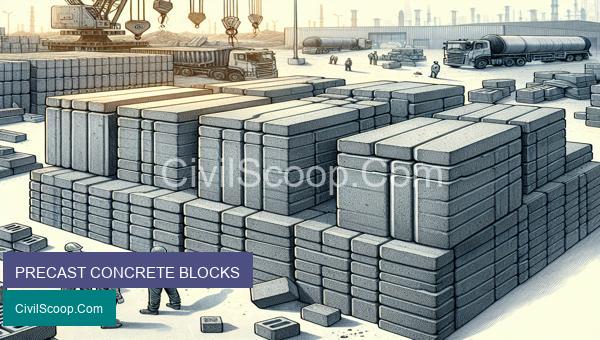
Precast concrete blocks are pre-made concrete units that are used for a variety of construction purposes. These blocks are produced in a controlled environment and then transported to the construction site for use. The process of manufacturing precast concrete blocks involves casting concrete into a mold, curing, and then removing the mold to obtain a solid, durable block.
These blocks are commonly used in the construction industry as an alternative to traditional on-site concrete pouring. They offer many benefits such as cost-effectiveness, quick installation, and high durability. Let’s take a closer look at the advantages and applications of precast concrete blocks.
Advantages of precast concrete blocks:
1. Cost-effective: Precast concrete blocks are manufactured in bulk, reducing the cost of production. This makes them an affordable option for construction projects, especially for large scale developments.
2. Quick installation: Due to their pre-manufactured nature, precast concrete blocks can be quickly installed on-site. This not only saves time but also reduces labor costs.
3. High durability: Precast concrete blocks are made with high-strength concrete and reinforced with steel, making them highly durable. They can withstand harsh weather conditions and have a longer lifespan compared to traditional poured concrete structures.
4. Versatility: Precast concrete blocks come in various sizes, shapes, and designs, making them suitable for a wide range of applications. They can be used for everything from retaining walls and landscaping to structural elements like columns, beams, and walls.
5. Quality control: The production of precast concrete blocks takes place in a controlled environment, allowing for strict quality control measures to be implemented at every stage of the manufacturing process. This ensures a high-quality final product.
Applications of precast concrete blocks:
1. Building construction: Precast concrete blocks are commonly used in building construction for elements such as walls, beams, and columns. Their strength and durability make them suitable for multi-story structures.
2. Retaining walls: These blocks are a popular choice for retaining walls due to their ability to withstand heavy loads. They can also be designed to have a decorative finish, making them aesthetically pleasing.
3. Sound barriers: Precast concrete blocks can effectively reduce noise levels, making them ideal for use as sound barriers on highways, railways, and industrial areas.
4. Landscaping: These blocks can also be used for landscaping purposes, such as creating garden walls, planters, and steps. They can be designed to have different textures, colors, and finishes, adding to the visual appeal of outdoor spaces.
5. Infrastructure projects: Precast concrete blocks are commonly used in infrastructure projects such as bridges, tunnels, and water treatment plants. Their strength and durability make them suitable for heavy-duty applications.
In conclusion, precast concrete blocks offer many advantages and have numerous applications in the construction industry. They are an efficient, cost-effective, and durable alternative to traditional concrete construction methods. With the growing demand for sustainable and efficient building materials, the use of precast concrete blocks is only expected to rise in the future.
Conclusion
In conclusion, precast concrete blocks are a versatile and practical building material that offer numerous benefits. From their strength and durability to their efficiency in construction, they have become a popular choice for various projects. With a wide range of sizes, shapes, and finishes, precast concrete blocks can be customized to fit any design aesthetic. Additionally, their environmentally friendly qualities make them a sustainable option for construction. As the demand for affordable and efficient building materials continues to increase, the use of precast concrete blocks is only expected to grow. So whether you are a builder, developer, or homeowner, considering precast concrete blocks for your next project can provide numerous advantages. With their versatility and durability, precast concrete blocks continue to prove why they are an essential