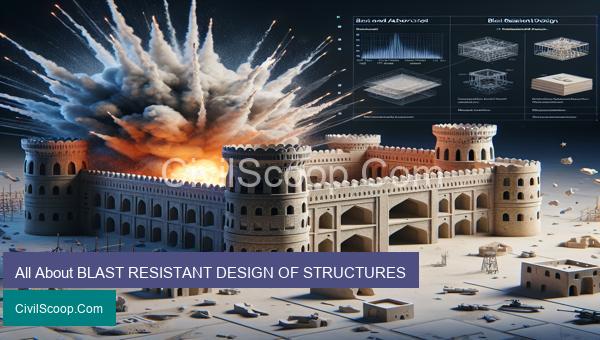
In today’s world, security and safety have become paramount concerns, especially when it comes to the construction of buildings and structures. With the increasing risk of terrorist attacks or natural disasters, it has become essential to consider blast resistant design for structures. Blast resistant design refers to the ability of a structure to withstand the impact and forces generated by an explosion. In this article, we will delve into the key components of blast resistant design, its importance, and various strategies that can be employed to improve the resilience of structures against blasts. Whether you are an engineer, architect, or simply someone interested in the field, this article will provide valuable insights into the world of blast resistant design of structures.
Table of Contents
BLAST RESISTANT DESIGN OF STRUCTURES
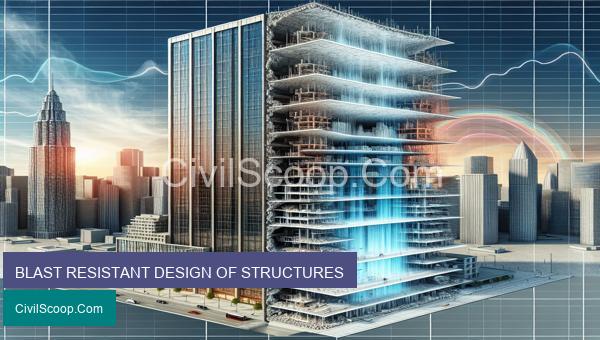
Blast resistant design of structures is a specialized field of civil engineering that focuses on designing buildings and other structures that can withstand the intense pressures and forces generated by explosions. This type of design is crucial in areas with high security risks, such as military installations, government buildings, and critical infrastructure.
The primary goal of blast resistant design is to minimize the damage and collapse of a structure in the event of an explosion, and to protect the occupants and surrounding areas from the effects of the blast. This is achieved through the use of specific design and construction techniques, as well as the incorporation of blast-resistant materials.
One of the key design considerations for blast resistant structures is the placement of critical components such as columns, beams, and walls. These elements are strategically located and reinforced to ensure that the structure can withstand the sudden pressure changes and shock waves caused by an explosion. Additionally, the connections between these components are designed to resist the dynamic forces and prevent the structure from collapsing.
Another important aspect of blast resistant design is the use of blast-resistant materials. These materials are selected based on their ability to absorb and dissipate the energy from an explosion. Typical blast-resistant materials include high-performance reinforced concrete, steel plates, and laminated glass. These materials are often used in combination to create a layered defense against the effects of an explosion.
In addition to proper design and material selection, blast-resistant structures also employ various mitigation measures to protect occupants. This includes the installation of specialized blast-resistant windows and doors, as well as blast-resistant barriers and shields to direct the blast away from critical areas.
Computer simulations and blast testing are also important tools used in the design of blast resistant structures. Computer models can simulate the effects of an explosion on a structure and help engineers identify potential weaknesses and areas for improvement. Blast testing involves constructing scaled-down versions of the structure and subjecting them to controlled explosions to study their response and optimize the design.
In conclusion, blast resistant design is a critical aspect of civil engineering, especially in areas where the potential for explosions is high. With careful design, selection of materials, and use of advanced technology, engineers can create structures that are able to withstand the effects of explosions, protecting occupants and minimizing damage to the surrounding area.
Conclusion
In conclusion, designing structures to resist blasts is crucial in today’s world where the threat of terrorism and explosions is a constant reality. The BLAST RESISTANT DESIGN OF STRUCTURES is an important aspect that must be taken into consideration during the planning and construction of buildings and other structures. By understanding the principles of blast resistance, utilizing advanced technology and following recommended design guidelines, we can create safe and secure structures that can withstand blasts and minimize the impact on human life and property. It is important for architects, engineers, and designers to stay updated on the latest developments and continuously improve the design methods to ensure the safety and security of our built environment. Let us continue to prioritize BLAST RESISTANT DESIGN OF STRUCTURES to create a more resilient and