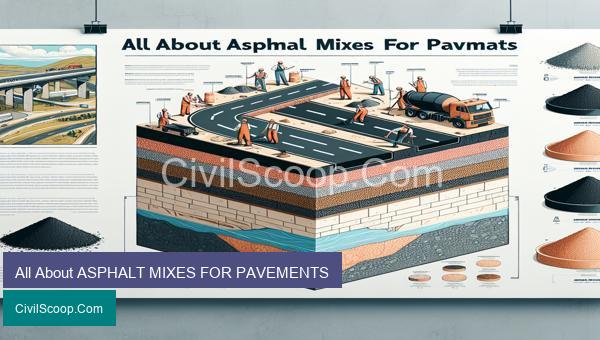
Asphalt is one of the most commonly used materials for pavement construction, playing a vital role in building and maintaining our road networks. However, not all asphalt mixes are created equal. Various factors such as climate, traffic volumes, and budget constraints can greatly influence the choice of asphalt mix for a pavement project. In this article, we will delve into the world of asphalt mixes for pavements, exploring their composition, types, benefits, and considerations for choosing the right mix for a specific project. Understanding these essential aspects can help pave the way for durable, safe, and cost-effective pavement solutions.
Table of Contents
DESIRABLE PROPERTIES OF ASPHALT MIXES FOR PAVEMENTS
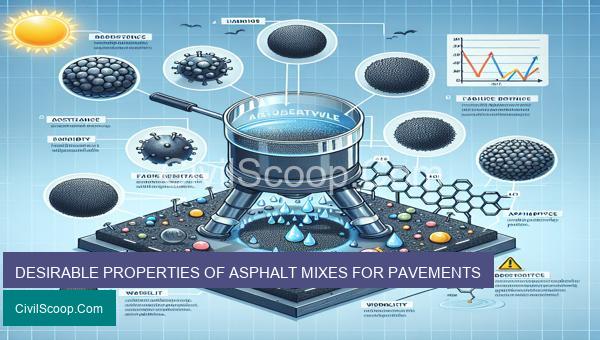
Asphalt is a commonly used material in pavement construction due to its durability, flexibility, and cost-effectiveness. However, not all asphalt mixes are created equal. The desirable properties of asphalt mixes play a crucial role in ensuring the longevity, safety, and performance of pavements. In this article, we will discuss some of the key desirable properties of asphalt mixes for pavements.
1. Stability
Stability is a critical property of asphalt mixes, especially for heavy traffic areas such as highways and airports. It refers to the ability of the asphalt pavement to withstand the effects of traffic loads and environmental factors without significant deformations. A stable asphalt mix can distribute the traffic loads across the pavement surface, preventing the formation of cracks and potholes.
2. Durability
The durability of asphalt mixes is directly related to their ability to resist the detrimental effects of environmental factors such as water, sunlight, and temperature changes. This property is essential as it ensures that the pavement retains its structural integrity and performance over a long period. A durable asphalt mix can withstand cracking, rutting, and fatigue caused by traffic loads and environmental factors.
3. Flexibility
One of the main reasons for using asphalt in pavement construction is its flexibility. Asphalt mixes with high elasticity and flexibility can withstand repeated traffic loads without developing permanent deformations. This property is crucial, especially in regions with extreme temperature changes, as the mix can expand and contract without cracking.
4. Skid resistance
Skid resistance refers to the ability of the pavement surface to provide enough friction for vehicles to maintain control and braking. It is a critical safety property that helps prevent accidents on the road. Asphalt mixes with high skid resistance can reduce the risk of vehicle skidding and provide a comfortable driving experience.
5. Rut resistance
Rutting is a form of permanent deformation that occurs in asphalt pavements due to heavy traffic loads. It can significantly affect the levelness of the road surface, making it uncomfortable for drivers. Therefore, it is crucial to use asphalt mixes with high rut resistance to prevent this type of deformation and maintain a smooth and even surface.
6. Workability
Workability is an important property of asphalt mixes during the construction phase. It refers to the ease with which the mix can be handled and compacted by workers and equipment. A mix with low workability can lead to a poorly constructed pavement with a reduced service life.
7. Moisture resistance
Asphalt mixes with good moisture resistance can prevent the penetration of water and other liquids into the pavement layers. Water is one of the main contributors to pavement distresses such as cracks, potholes, and rutting. Therefore, it is crucial to use asphalt mixes that can resist the damaging effects of moisture.
In conclusion, the desirable properties of asphalt mixes for pavements are crucial for ensuring the long-term performance, durability, and safety of the road. It is essential to consider these properties when designing and choosing asphalt mixes for different pavement projects to achieve a high-quality and long-lasting pavement.
Conclusion
In conclusion, the selection of asphalt mixes for pavement construction plays a crucial role in the overall longevity and performance of roadways, highways, and other paved surfaces. With a variety of options available, it is important to consider factors such as climate, traffic volume, and expected lifespan when choosing the appropriate mix design. Whether it is a dense-graded, open-graded, or stone matrix asphalt mix, each has its own unique characteristics and benefits. Properly designing, testing, and constructing the asphalt mix will result in a durable and long-lasting pavement that can withstand the demands of high traffic and harsh weather conditions. It is essential for engineers, contractors, and pavement managers to stay informed about the latest advancements and innovations in asphalt mix technology to ensure the