IFC (Industry Foundation Classes) Drawings have quickly become an essential tool in the field of architecture, engineering, and construction. These drawings serve as a universal platform for sharing and exchanging building information among different software applications. With the increasing complexity of construction projects and the need for efficient collaboration among various stakeholders, IFC drawings have emerged as a crucial aspect of project management. In this article, we will dive into the fundamentals of IFC drawings, their benefits, and how they are used in the AEC industry.
Table of Contents
What are IFC Drawings in Construction Projects
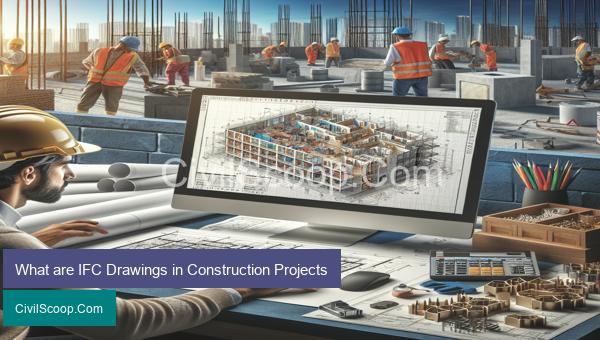
IFC (Industry Foundation Classes) drawings are an integral part of construction projects. They are computer-generated 2D and 3D representations of the architectural, structural, and MEP (mechanical, electrical, and plumbing) models of a building. IFC drawings are essential for the effective communication and coordination between project stakeholders, such as architects, engineers, contractors, and building owners.
IFC drawings are created using Building Information Modeling (BIM) software, which allows the creation of a virtual model of the building that contains all the necessary information. This includes information about the building’s structural components, such as walls, columns, beams, and slabs, as well as the location of building systems, such as electrical, plumbing, and HVAC (heating, ventilation, and air conditioning).
One of the key benefits of IFC drawings is that they provide a comprehensive, detailed, and accurate representation of the building. This allows for better visualization and understanding of the building design and enables the identification of any potential conflicts or clashes between different building components before construction begins.
Additionally, IFC drawings act as a communication tool between the various project stakeholders. The models are shared among the different team members, allowing them to collaborate and make changes in real-time. This helps to improve coordination, reduce errors, and save time and money during the construction process.
Furthermore, IFC drawings allow for the creation of construction documents and shop drawings that are necessary for the construction process. These drawings provide detailed information, such as dimensions, material specifications, and installation instructions, which are crucial for the efficient execution of the project.
Moreover, IFC drawings have become a standard in the construction industry as they are compatible with a wide range of software and tools, allowing for seamless integration and data exchange between different disciplines. This facilitates the transfer of information between the design and construction phases, ensuring consistency and accuracy throughout the project.
In conclusion, IFC drawings play a critical role in the successful implementation of construction projects. They provide a comprehensive and detailed representation of the building, facilitate communication and coordination among project stakeholders, and ensure the accuracy and consistency of information throughout the construction process. With the increasing adoption of BIM technology, the use of IFC drawings is expected to continue to grow and transform the construction industry.
Features of IFC Drawings
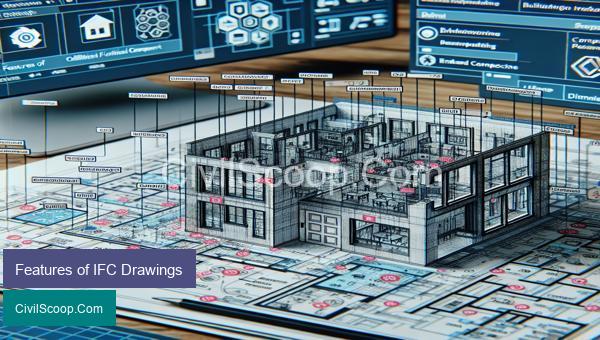
IFC (Industry Foundation Classes) is a file format used for the exchange of digital information between different software applications in the construction industry. IFC drawings are specific types of drawings created using this format that contain detailed information about the design, construction, and operation of a building or infrastructure project. They are commonly used by architects and engineers to share and coordinate design information throughout the project lifecycle. Here are some important features of IFC drawings:
1. Data-rich: IFC drawings are highly detailed and contain a wealth of information about the project, including geometric data, material properties, and project schedules. This data can be extracted and used by different software applications to support various project tasks such as design, analysis, and cost estimation.
2. Format consistency: IFC drawings adhere to a consistent and organized file format, making it easier for different software applications to access and interpret the information. This format consistency also ensures that the data remains intact when it is transferred between different applications.
3. Open standard: IFC drawings are based on open standards, which means that they can be used by any software application that supports the IFC format. This enables interdisciplinary collaboration and improves communication between different project stakeholders.
4. Reduced errors: By using IFC drawings, the chances of errors and omissions are greatly reduced. Since the data is stored in a single file, there is no need for manual data transfer between different applications, which reduces the risk of human error.
5. Clashes detection: One of the main benefits of IFC drawings is their ability to detect clashes between different building elements. This means that potential conflicts in the design can be identified and addressed before construction begins, saving time and money in rework.
6. Compatibility with BIM: IFC drawings are an essential part of the Building Information Modeling (BIM) process. The detailed information contained in IFC drawings can be used by BIM software to create 3D models, which are then used for visualization and analysis.
7. Interoperability: IFC drawings allow different software applications to work together seamlessly, making it easier to coordinate design and construction tasks. This improves project collaboration and reduces the risk of information silos.
In summary, IFC drawings offer a wealth of benefits for the construction industry, including improved communication, reduced errors, and enhanced collaboration. By providing a data-rich and consistent format, these drawings help to streamline the construction process and promote efficiency and accuracy in project delivery.
Conclusion
In conclusion, IFC drawings play a crucial role in the construction industry as they provide a clear and detailed representation of a building project. The use of IFC drawings allows for better collaboration and coordination among all stakeholders, leading to a more efficient and cost-effective construction process. It also helps to minimize errors and conflicts, ensuring that the final product meets the intended design and functional requirements. With the advancements in technology and the increasing demand for sustainable and innovative building designs, the use of IFC drawings is only going to grow in the future. Therefore, it is essential for all construction professionals to have a good understanding of IFC drawings and their importance in the construction process.