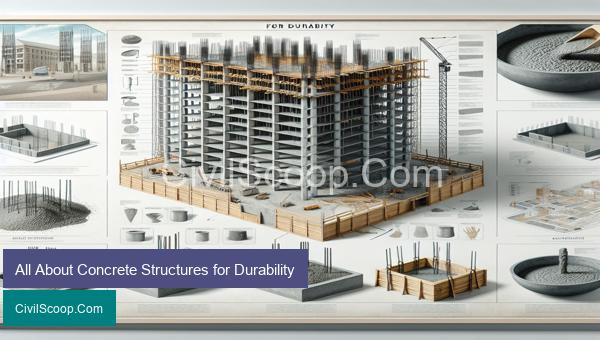
Concrete structures are the backbone of our modern society, providing a strong and reliable foundation for our buildings, roads, bridges, and other infrastructural developments. However, with the constant exposure to weathering and various external factors, these concrete structures are often subject to wear and tear, leading to a decrease in durability and safety. In this article, we will delve into the various aspects of concrete structures for durability, including its composition, potential causes of degradation, and strategies for maintenance and improvement. By understanding the importance of durability in concrete structures, we can ensure their long-lasting functionality and safety for generations to come.
Table of Contents
Design of Concrete Structures for Durability
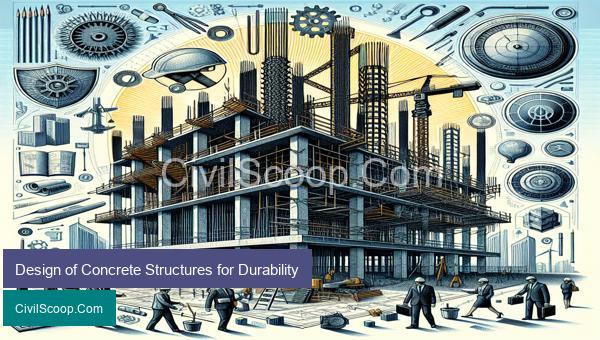
Design of concrete structures for durability is an important aspect of civil engineering. Concrete is one of the most commonly used construction materials, thanks to its strength, durability, and versatility. However, it is susceptible to various factors that can lead to its deterioration over time, such as environmental conditions, chemical attack, and poor construction practices. Therefore, it is crucial to incorporate durability considerations in the design of concrete structures to ensure their long-term performance and safety.
Here are some key factors to consider in the design of durable concrete structures:
1. Exposure Conditions:
The first step in the design of durable concrete structures is to determine the exposure conditions the structure will encounter during its service life. These can vary greatly depending on the location and intended use of the structure. For example, a bridge near a coastal area will be exposed to saltwater and high humidity, while a building in an industrial area may be exposed to chemical pollutants. These factors can significantly impact the durability of the concrete and must be taken into account during the design phase.
2. Concrete Mix Design:
The concrete mix design is crucial in achieving durability. The right combination of cement, aggregates, water, and admixtures must be used to produce a strong and durable concrete mix. Admixtures such as water reducers, air-entraining agents, and corrosion inhibitors can improve the properties of concrete and enhance its durability. The mix design should also consider the exposure conditions and incorporate appropriate measures to resist the expected deterioration mechanisms.
3. Properly Placed and Compacted:
Concrete structures must be properly placed and compacted to achieve optimal strength and durability. Air voids, honeycombs, and uneven compaction can lead to permeability, which allows harmful chemicals and moisture to penetrate the concrete and cause damage. Proper consolidation and surface finishing are essential to prevent these issues and ensure the long-term durability of the structure.
4. Adequate Cover and Reinforcement:
Another critical factor in designing durable concrete structures is providing adequate cover to the reinforcement. The cover protects the reinforcement from environmental conditions and corrosion. It is essential to determine the appropriate cover based on the exposure conditions and the type of reinforcement used. The reinforcement itself should also be carefully chosen to resist corrosion and maintain its strength over time.
5. Proper Maintenance:
Even with a well-designed concrete structure, regular maintenance is crucial to ensure its durability. This includes routine inspections, repairs, and protective measures such as waterproofing and corrosion protection. Neglecting maintenance can lead to small issues turning into significant problems and compromising the durability of the structure.
In conclusion, designing durable concrete structures requires a multidisciplinary approach, considering various factors such as exposure conditions, mix design, placement and compaction, reinforcement, and maintenance. A well-designed concrete structure can have a long service life and provide a safe and sustainable solution for construction projects. As a civil engineer, it is crucial to prioritize durability in the design of concrete structures to ensure the safety and longevity of our built environment.
Conclusion
In conclusion, concrete structures are an essential part of modern infrastructure and offer numerous benefits such as durability, strength, and versatility. However, to ensure their longevity and optimal performance, proper design, construction, and maintenance practices must be implemented. This includes considering factors such as moisture, temperature, and reinforcement corrosion, as well as using high-quality materials and following industry standards. By understanding the principles of durability and applying them to concrete structures, we can ensure their sustainability for generations to come. As new advancements and techniques continue to emerge, the future of concrete structures looks promising in terms of durability and resilience.