
Slate tile is a durable and stylish choice for flooring, walls, and other surfaces in both indoor and outdoor spaces. Its unique composition and texture make it a popular option for homeowners and interior designers alike. In this article, we will explore the various aspects of slate tile, including its origin, characteristics, installation process, maintenance, and design options. Whether you’re considering slate tile for your home or simply curious about its features, this comprehensive guide will provide you with all the information you need to know about this versatile and beautiful natural stone.
Table of Contents
How to Install a Slate Tile?
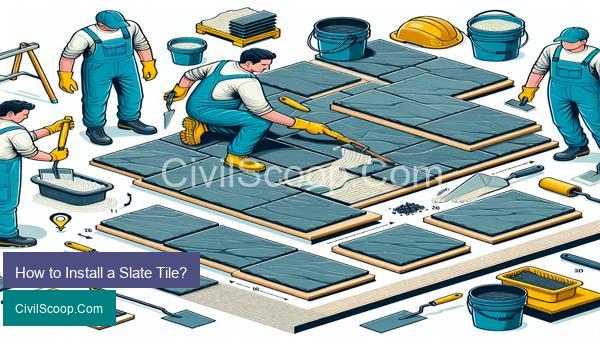
Slate tile is a popular choice for flooring and wall coverings due to its durability and attractive appearance. It is a natural stone that comes in a range of colors, textures, and sizes, making it a versatile option for various interior and exterior spaces. If you are planning to install slate tile yourself, here are the steps you need to follow.
1. Prepare the Surface: The first step in installing slate tile is to prepare the surface where the tiles will be placed. Make sure the surface is clean, dry, and level. If the surface is uneven, you will need to use a self-leveling compound to create a smooth and flat base for the tiles.
2. Measure and Calculate: Before starting the installation, it is essential to measure the area where the slate tiles will be installed. This will help you determine the number of tiles needed and the best layout for the space. It is recommended to purchase 10-15% extra tiles to account for any mistakes or cutting needs.
3. Lay Out the Tiles: Start by laying out the tiles on the floor or wall in the desired pattern. This will give you an idea of how the finished project will look. Adjust the layout if necessary to avoid small or narrow tiles at the edges of the room.
4. Mix the Mortar: The next step is to mix the mortar according to the manufacturer’s instructions. The mortar should be spreadable but not too wet. You can use a trowel to mix the mortar and spread it on the surface using the flat side of the trowel. Make sure to work in small sections to prevent the mortar from drying out before tile installation.
5. Install the Tiles: Start laying the tiles on the surface using the layout you created earlier. Press the tiles firmly into the mortar, and use spacers to maintain a consistent gap between the tiles. It is essential to periodically check the level of the tiles with a spirit level to ensure they are straight.
6. Cut the Tiles: Inevitably, some tiles will need to be cut to fit into corners or around obstacles. You can use a wet saw or tile cutter to make precise cuts. It is advisable to wear safety equipment while cutting the tiles.
7. Grout the Tiles: Once all the tiles are installed, allow the mortar to dry completely. You can use a grout float to spread the grout over the tiles, making sure to fill all the spaces between the tiles. Wipe off any excess grout with a damp sponge before it dries.
8. Seal the Tiles: After the grout has dried, apply a slate tile sealer to protect the tiles and enhance their color and appearance. Follow the manufacturer’s instructions for application and drying time.
9. Finishing Touches: Once the sealer has dried, you can install any necessary transition pieces, such as thresholds or edging, to complete the project.
In conclusion, installing slate tile requires some patience and attention to detail, but it is a manageable project for experienced DIYers. Proper preparation, careful installation, and finishing touches will result in a beautiful and long-lasting slate tile installation.
Materials Required to Install Slate Tiles on Floor

Slate tiles are a popular choice for flooring due to their natural beauty and durability. Installing slate tiles on a floor requires specific materials to ensure a successful installation. Here are the materials required to install slate tiles on a floor:
1. Slate Tiles: The first and most important material needed for installing slate tiles on a floor is, of course, the slate tiles themselves. These tiles are usually sold in a variety of sizes and thicknesses and can be either natural or honed (smoothed and polished). It is important to purchase high-quality tiles to ensure a long-lasting and visually appealing floor.
2. Underlayment: Underlayment is a layer of material that is placed between the subfloor and the slate tiles. It provides a smooth and level surface for the tiles to be installed on and also helps to prevent any moisture from seeping through. The most common underlayment materials for slate tiles are cement board or a waterproof membrane.
3. Mortar or Adhesive: Mortar is used as a bonding agent between the underlayment and the slate tiles. Adhesives, on the other hand, can be used for a thinner application and are better suited for vertical surfaces such as walls. Both materials provide a strong adhesion for the slate tiles.
4. Grout: Grout is a cement-based mixture that is used to fill the gaps between the tiles. It not only helps to hold the tiles in place but also enhances the overall appearance of the floor. Grout is available in a variety of colors to match the color of the slate tiles.
5. Sealant: To protect the slate tiles from stains and water damage, it is recommended to seal them after installation. Sealants penetrate the pores of the tiles, making them resistant to moisture and stains. It is best to choose a sealant specifically designed for natural stone tiles.
6. Tile Spacers: Tile spacers are small plastic pieces that are placed between the tiles to ensure an equal and uniform grout line. These spacers come in various sizes to accommodate different tile layouts.
7. Tile Cutter or Wet Saw: Since slate tiles come in a variety of sizes and shapes, a tile cutter or wet saw is necessary to cut them to fit in smaller or odd-shaped areas of the floor. A wet saw is the better option for cutting slate tiles as it reduces the risk of chipping or cracking.
8. Trowel: A trowel is used to spread the mortar or adhesive onto the underlayment before placing the tiles. The size and shape of the trowel may vary depending on the size of the slate tiles being used.
9. Level and Rubber Mallet: A level is used to ensure that the tiles are installed evenly and flat on the floor. A rubber mallet is also useful for gently tapping the tiles into place without damaging them.
10. Cleaning Supplies: Lastly, you will need cleaning supplies such as a sponge, bucket, and mild detergent to clean the tiles before and after installation. It is important to clean any excess grout or adhesive from the surface of the tiles to prevent staining.
In conclusion, installing slate tiles on a floor requires some essential materials to ensure a successful and long-lasting installation. It is important to choose high-quality materials and follow proper installation techniques to achieve the desired result.
Procedure to Install Slate Tiles

Installing slate tiles is a popular home improvement project that can add a touch of elegance and natural beauty to your space. Slate tiles are preferred for their durability, moisture resistance, and natural variations in color and texture. The installation process for these tiles involves several steps and requires precision and careful attention to detail. In this article, we will discuss the procedure to install slate tiles.
Materials and Tools Required:
1. Slate tiles
2. Tile adhesive
3. Notched trowel
4. Tile spacers
5. Tile cutter/wet saw
6. Rubber mallet
7. Level
8. Grout
9. Grout float
10. Sealer
Step 1: Preparation of the Surface
Before installing slate tiles, it is essential to prepare the surface where you will be installing the tiles. Ensure that the surface is clean, dry, and level. If the surface is not level, you may need to use a self-leveling compound to smoothen it out. Also, remove any old flooring and baseboards to create a clean and even surface.
Step 2: Planning the Layout
Proper planning of the tile layout is crucial for a successful installation. Decide on the direction and pattern of the tiles, ensuring that they are evenly distributed on the floor. Use tile spacers to maintain consistent spacing between the tiles.
Step 3: Applying the Adhesive
Using a notched trowel, apply a layer of tile adhesive on the surface, working in small sections at a time. The notches on the trowel will create grooves in the adhesive, allowing better adhesion of the tiles. Begin at one corner of the room and work your way outwards. Avoid spreading too much adhesive as it can dry out quickly, making it difficult to work with.
Step 4: Installing the Tiles
Gently press each slate tile into the adhesive using a slight twisting motion. This will help to ensure that the tiles are fully embedded in the adhesive. Use a rubber mallet to tap gently on the tiles to ensure a level surface. Continue this process until all the tiles are in place.
Step 5: Cutting and Fitting Tiles
For areas where a full tile will not fit, you will need to cut the tiles to fit the space. Measure the space accurately and use a tile cutter or wet saw to cut the slate tiles accordingly. Make sure to wear safety gear when handling tools such as a wet saw. Fit the cut tiles in place, ensuring that they have a proper fit and the grout lines align with the other tiles.
Step 6: Grouting
Once the tile adhesive has fully cured, remove the tile spacers and begin the grouting process. Mix the grout according to the manufacturer’s instructions and use a grout float to apply it on the surface of the tiles. Work in small sections and use a damp sponge to wipe off any excess grout from the surface of the tiles. Allow the grout to dry for at least 24 hours.
Step 7: Sealing the Tiles
Slate tiles are porous, and sealing them is essential to prevent any damage from moisture and stains. Once the grout has dried, apply a coat of sealer on the tiles and grout lines, following the manufacturer’s instructions. This will help to protect the tiles and keep them looking new for a longer time.
In conclusion, installing slate tiles may seem like a daunting task, but with
Conclusion
In conclusion, it is evident that slate tile is a versatile and durable option for flooring, roofing, and other home projects. Its natural beauty and unique characteristics make it a popular choice among homeowners and builders. With proper care and maintenance, slate tile can last for decades, providing a stunning and timeless aesthetic to any space. It is also environmentally friendly and sustainable, making it an ideal choice for those looking for eco-friendly options. Whether it’s for a modern home or a traditional one, slate tile offers endless possibilities for creating a beautiful and functional space. Consider incorporating slate tile into your next renovation project and experience the many benefits it has to offer.