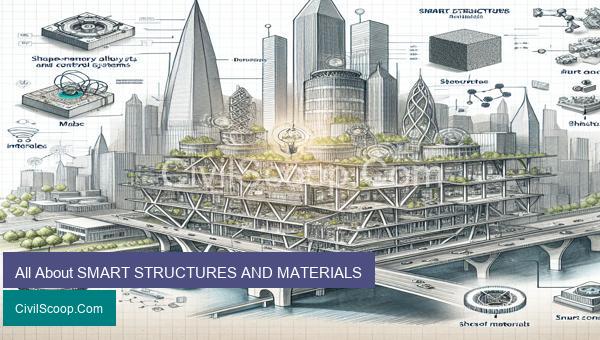
Smart structures and materials have revolutionized the way we build and design objects, systems, and structures. With the advancements in technology and engineering, we are able to create intelligent materials that can adapt, change their properties, and respond to external stimuli. These innovative materials, along with smart structures, have numerous applications in various industries such as aerospace, automotive, construction, and healthcare. In this article, we will delve deeper into the concept of smart structures and materials, their properties, and their diverse uses. From shape-shifting buildings to self-healing structures, join us as we explore all about smart structures and materials.
Table of Contents
SMART STRUCTURES AND MATERIALS
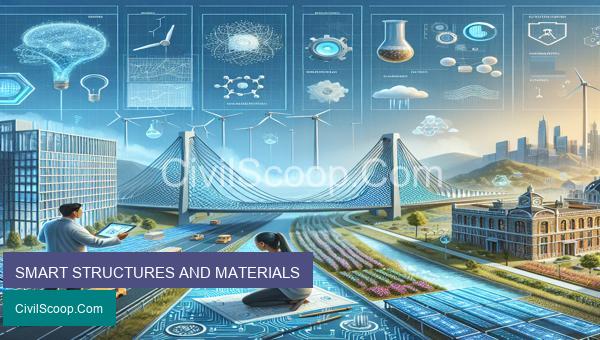
Smart structures and materials refer to advanced materials that have the ability to sense, adapt, and respond to changes in their environment, thereby improving their functionality and performance. These materials are designed to have enhanced properties such as self-healing, shape memory, and self-cleaning, among others, which make them highly applicable in various fields of engineering, including civil engineering.
In recent years, there has been a growing interest and development in smart structures and materials, driven by the need to improve the overall efficiency and durability of structures. These materials have the potential to revolutionize the construction industry by providing sustainable and cost-effective solutions. In this article, we will explore some of the key characteristics and applications of smart structures and materials in civil engineering.
Characteristics of Smart Structures and Materials:
1. Self-sensing capability:
Smart materials have the ability to sense changes in their environment, such as temperature, pressure, and strain, without the need for external sensors. The material’s internal structure responds to the changes, producing an electrical signal that can be measured and used to provide real-time feedback on the material’s condition.
2. Self-healing properties:
One of the most significant advantages of smart materials is their ability to repair damage by themselves. These materials have the capability to heal cracks and other types of damage, thereby extending their lifespan and reducing the need for frequent repairs.
3. Shape memory:
Smart materials have the unique capability of changing their shape or size in response to external stimuli, such as temperature, electricity, or light. This property makes them suitable for applications such as adaptive structures, shape-changing wings for aircraft, and self-deploying structures in outer space.
4. Self-cleaning:
Another interesting characteristic of smart materials is their ability to self-clean, which is particularly useful for structures located in harsh environments or polluted areas. These materials can repel dirt and other contaminants, reducing the need for maintenance and cleaning.
Applications of Smart Structures and Materials in Civil Engineering:
1. Structural Health Monitoring (SHM):
Structural health monitoring is essential for ensuring the safety and longevity of civil structures. Smart materials enable real-time monitoring of a structure’s condition, providing valuable data on its structural integrity. This data can help identify potential issues and enable proactive maintenance, thus reducing the risk of structural failure.
2. Self-healing concrete:
Concrete is the most widely used construction material globally, but it is prone to cracking and deterioration over time. Smart materials, such as shape memory alloys embedded in concrete, can repair cracks and prevent further damage, thereby improving the durability of concrete structures.
3. Adaptive and responsive structures:
Smart materials can be used to create adaptive structures that can change their shape, stiffness, or damping properties in response to environmental conditions. These structures have the potential to increase energy efficiency and reduce maintenance costs for buildings and bridges.
4. Energy harvesting:
Smart materials can also be used to harvest energy from their environment, such as vibrations caused by traffic or wind. This energy can then be converted into electrical power, making smart structures self-sufficient and sustainable.
Conclusion:
Smart structures and materials have revolutionized the field of civil engineering, providing engineers with innovative solutions to improve the efficiency, safety, and sustainability of structures. These advanced materials are continuously being developed, and as technology advances, we can expect more applications in various areas of civil engineering. With their self-sensing, self-healing, and adaptive properties, smart structures and materials have the potential to transform the construction industry and shape the infrastructure of the
Conclusion
In conclusion, the advancements in technology have led to the development of smart structures and materials that are transforming industries such as aerospace, architecture, and transportation. These materials have the ability to sense, respond and adapt to external stimuli, making them more efficient, durable and cost-effective. With ongoing research and development, the potential of smart structures and materials is endless, and they have the capability to further revolutionize the way we live and work. It is essential for industries to embrace and incorporate these technologies to keep up with the ever-evolving demand for smarter and sustainable solutions. As we continue to push the boundaries of innovation, smart structures and materials will play a crucial role in shaping the future of engineering and construction.