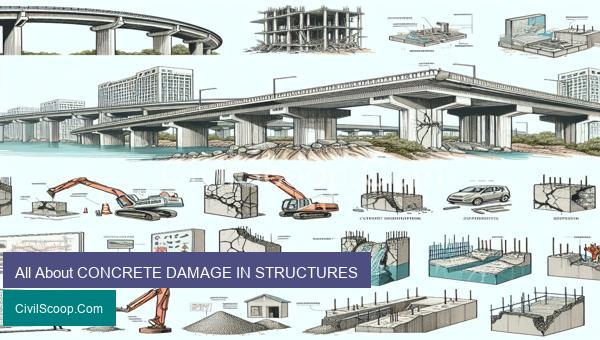
Concrete is a widely used building material, prized for its strength and durability. However, like all materials, it is susceptible to damage over time. From minor cracks to serious structural failures, concrete damage can greatly impact the safety and integrity of a structure. In this article, we will explore the various types of concrete damage that can occur in structures, the causes behind them, and the potential solutions to address these issues. Understanding the nature of concrete damage is crucial for maintaining the longevity and functionality of our built environment.
Table of Contents
CAUSES OF CONCRETE DAMAGE IN STRUCTURES
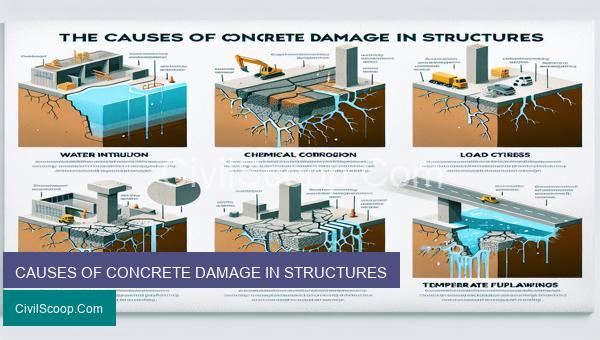
Concrete is a widely used construction material due to its strength, durability, and low cost. However, like any other material, it is not completely immune to damage. Concrete structures can be subjected to various factors that can cause damage over time. The following are some common causes of concrete damage in structures.
1. Corrosion of Reinforcing Steel - The reinforcing steel bars used in concrete structures are prone to corrosion when exposed to oxygen and water. This corrosion causes the steel bars to expand, leading to cracks and spalling of concrete. Corrosion is typically caused by chloride ions from de-icing salts, seawater, or industrial chemicals.
2. Freeze-Thaw Cycling - In cold regions, concrete structures are subjected to repeated freezing and thawing cycles. When water freezes, it expands, putting pressure on the concrete. This pressure can cause cracks and spalling, leading to structural damage.
3. Chemical Attack - Concrete can be damaged by exposure to chemicals such as acids, alkalis, and sulfates. These chemicals can react with the concrete, causing it to deteriorate and lose its strength. Chemical attack is common in industrial settings, where the structures are exposed to strong acids and alkalis.
4. Abrasion and Erosion - High traffic load, water flow, and wind can cause abrasion and erosion on concrete surfaces. This can be a common problem for concrete structures in coastal areas, where strong winds and waves can cause erosion over time.
5. Overloading - Concrete structures are designed to support a certain amount of load. However, when the load exceeds the design capacity, it can lead to structural damage. Overloading can be caused by poor construction practices, changes in usage, or natural disasters like earthquakes.
6. Poor Construction Practices - Improper placement and curing of concrete, inadequate reinforcement, or poor quality materials can lead to concrete damage in structures. Poor construction practices can result in structural weaknesses and reduce the lifespan of the concrete.
7. Fire Damage - High temperatures can cause concrete to lose its strength and crack, leading to structural failure. Fire damage often occurs in buildings with steel-reinforced concrete, as the heat can cause the steel to expand, leading to spalling and cracking of the concrete.
8. Structural Settlement - Settlement occurs when the foundation of a structure sinks, causing the structure to settle unevenly. This can lead to cracks and other forms of damage in concrete structures.
9. Ageing - As concrete structures get older, they become more susceptible to damage. The constant exposure to environmental factors, wear and tear, and other factors can cause the concrete to deteriorate over time.
In conclusion, various factors can cause concrete damage in structures. It is essential to identify and address these issues promptly to prevent further damage and ensure the longevity of reinforced concrete structures. Regular maintenance and timely repairs can help prolong the lifespan of concrete structures and avoid costly repairs or replacements in the future.
Conclusion
In conclusion, concrete damage in structures is a common issue that can greatly affect the stability and safety of buildings. It is crucial for engineers, contractors, and homeowners to understand the different types of concrete damage and their causes in order to prevent them and ensure the longevity of structures. Early detection and proper repair of concrete damage is essential in maintaining the structural integrity of buildings. By following proper construction techniques and regular maintenance, we can minimize the occurrence of concrete damage and ensure safer and more durable structures for the future. Let us continue to educate ourselves and stay updated on the latest developments in concrete technology to better address and prevent concrete damage in structures.