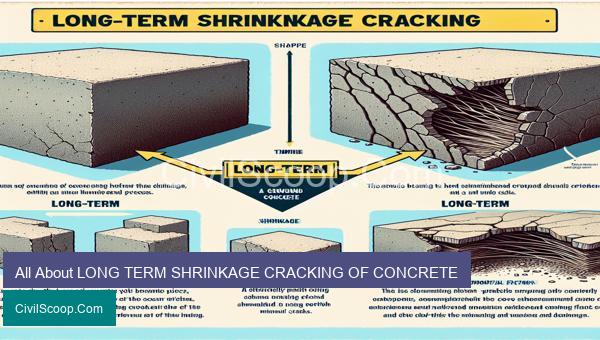
Concrete is a widely used material in the construction industry due to its strength, durability, and versatility. However, despite its many benefits, concrete is susceptible to cracking, especially over long periods of time. One of the most common types of cracks that occur in concrete is long-term shrinkage cracking. These cracks can have detrimental effects on the structural integrity and aesthetics of a concrete structure, making it crucial for construction professionals to understand the causes, prevention, and repair methods for this type of cracking. In this article, we will delve into the details of long-term shrinkage cracking of concrete and provide valuable insights for those involved in the construction process.
Table of Contents
LONG TERM SHRINKAGE CRACKING OF CONCRETE
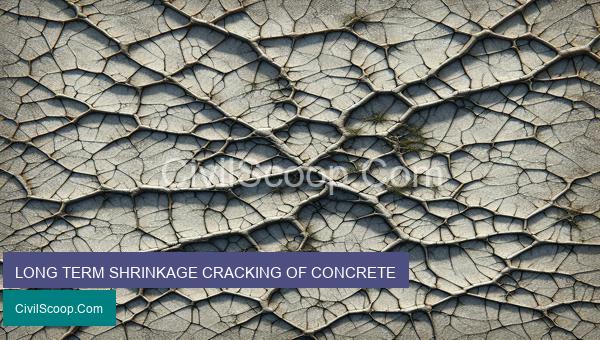
Long term shrinkage cracking of concrete is a common durability issue in civil engineering structures. It occurs due to the gradual loss of moisture in the concrete, which results in volume reduction and tensile stresses. This can lead to the development of cracks that jeopardize the structural integrity and serviceability of the concrete.
Shrinkage is a natural property of concrete and is an inevitable process that starts immediately after the concrete is placed. It is caused by the evaporation of water from the concrete, which is necessary for the hydration process to take place. As the water evaporates, the concrete starts to shrink, and if this shrinkage is restrained, it can result in the development of tensile stresses, which can lead to cracking.
Several factors contribute to long term shrinkage cracking in concrete, including environmental conditions, mix design, and curing methods. The rate and magnitude of shrinkage depend on factors such as the water-cement ratio, the type and amount of cement, and the presence of supplementary cementitious materials. Climate conditions, such as temperature and humidity, also play a crucial role in controlling the shrinkage rate of concrete.
One of the significant concerns with long term shrinkage cracking is that it is a time-dependent process and may take years to become visible. This makes it difficult to detect and address the issue before it becomes severe. As the cracks develop over time, they penetrate deeper into the concrete, making the structure more vulnerable and compromising its load-bearing capacity.
Moreover, shrinkage cracking can also lead to other durability issues such as reduced resistance to corrosion and chemical attacks. Cracks provide pathways for harmful substances to penetrate the concrete, causing damage to the reinforcement and reducing the overall durability of the structure.
To mitigate long term shrinkage cracking, proper mix design and curing methods must be employed during construction. The use of low shrinkage concrete mixes, such as those with a low water-cement ratio or the incorporation of shrinkage-reducing admixtures, can help reduce the potential for shrinkage cracking. Proper curing techniques, such as using curing compounds or covering the concrete with plastic sheeting, can also help control the evaporation of water from the concrete.
In summary, long term shrinkage cracking of concrete is a major concern in civil engineering structures. It is a time-dependent process caused by the natural shrinkage of concrete and can lead to significant durability issues if left untreated. Proper mix design, curing methods, and timely repairs can help mitigate the effects of shrinkage cracking and ensure the long-term durability of concrete structures.
Conclusion
In conclusion, understanding the causes, prevention, and treatment of long-term shrinkage cracking of concrete is crucial in maintaining the strength and durability of structures. By identifying and addressing the factors that contribute to this type of cracking, such as improper mix design and curing methods, construction professionals can ensure the long-term performance and integrity of concrete. Additionally, implementing proactive measures, such as proper reinforcement and crack control joints, can significantly reduce the risk of long-term shrinkage cracking. With ongoing research and advancements in concrete technology, it is possible to mitigate the effects of shrinkage and promote sustainable construction practices. Ultimately, by investing in the prevention and proper treatment of long-term shrinkage cracking, we can enhance the longevity and safety of our structures.