
Concrete has been a crucial material in construction for over a century, with its ability to provide strong and durable structures. However, as the need for sustainable and long-lasting buildings increases, so does the demand for high-quality concrete construction. That is where the concept of construct durable concrete structures comes in. The principle focuses on constructing buildings and infrastructure that can withstand not only the weight and forces placed upon them but also extreme weather conditions and wear and tear over time. In this article, we will explore all the essential aspects of construct durable concrete structures to help you understand why it is crucial and how it can be achieved. From the materials used to the best practices during construction, we will cover everything you need to know to ensure that your concrete structures stand strong
Table of Contents
HOW TO CONSTRUCT DURABLE CONCRETE STRUCTURES
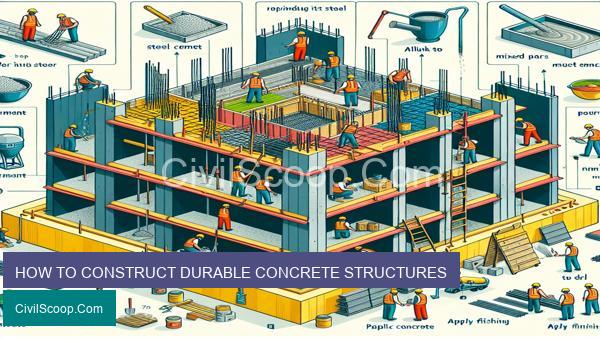
Constructing durable concrete structures is crucial in the field of civil engineering as these structures are meant to last for decades, providing support and safety to buildings, roads, bridges, and other infrastructure. When properly designed and constructed, concrete structures can withstand a wide range of environmental and structural conditions, ensuring the safety of the public and the longevity of the structure. Here are the key factors to consider when constructing durable concrete structures.
1. Quality Materials:
The first step in constructing a durable concrete structure is to use high-quality materials. These include cement, aggregates, water, and admixtures. The quality of these materials directly affects the strength and durability of the concrete. Cement should meet the required standards and be free from impurities. The aggregate used should be clean, well-graded, and not contain any reactive materials. Admixtures should also be carefully selected to improve the workability, strength, and durability of the concrete.
2. Proper Mix Design:
The mix design of concrete is crucial in achieving the desired strength and durability. It involves determining the ratio of cement, water, aggregates, and admixtures to be used in the concrete mix. A well-designed mix accounts for factors such as the type of structure, exposure conditions, and the strength requirements. Proper mix design ensures that the concrete has the necessary strength and resistance to withstand external forces, such as load and climate conditions.
3. Adequate Compaction:
Compaction is necessary to remove air voids from the concrete, which ensures higher density and improves strength and durability. Typically, concrete is compacted using mechanical vibrators to achieve a dense and uniform mix. The degree of compaction is crucial in ensuring the strength of the concrete. Under-compaction can result in reduced strength and durability, while over compaction can lead to segregation and other defects in the concrete.
4. Curing:
Curing is essential in the early stages of concrete strength development as it maintains adequate moisture content and temperature, allowing the concrete to hydrate and gain strength. Adequate curing also helps to reduce shrinkage and cracking, ensuring a durable structure. Curing can be done by spraying water, laying wet hessian cloths, or using curing compounds to prevent moisture loss.
5. Proper Construction Practices:
Construction techniques play a critical role in ensuring the durability of concrete structures. The use of formwork, proper placement, and consolidation of concrete, as well as adequate curing, are essential construction practices that contribute to the overall strength and durability of the structure. Formwork should be designed and constructed to withstand the weight of the concrete without any distortion or movement. Proper placement and consolidation of concrete are also crucial in ensuring a uniform and homogenous mix, reducing the chances of weak spots that could lead to cracking and other defects.
6. Waterproofing:
Water is one of the main causes of concrete deterioration. When water penetrates into the concrete, it can cause corrosion of the reinforcement, leading to cracks and spalling. Therefore, it is essential to use waterproofing additives in the concrete or apply a waterproofing membrane to prevent water ingress. Adequate drainage systems should also be put in place to prevent stagnant water from accumulating around the structure.
7. Regular Maintenance:
To ensure that concrete structures remain durable, regular maintenance and repairs are necessary. Any cracks should be identified and repaired promptly before they spread and cause further damage. Regular inspections and maintenance checks should be carried out to identify any signs of deterioration before they become severe.
In conclusion, constructing durable concrete structures
Conclusion
In conclusion, building durable concrete structures is a complex process that requires careful planning, proper construction techniques, and high-quality materials. From understanding the properties of concrete to incorporating reinforcing elements, there are many factors that contribute to the strength and longevity of these structures. By following the guidelines and best practices outlined in this article, we can ensure that our concrete structures will withstand the test of time and serve their purpose for generations to come. With the increasing demand for sustainable and resilient infrastructure, it is important to prioritize the construction of durable concrete structures. Through continuous research and innovation, we can continue to improve and advance our methods of constructing these essential structures for a safer and more resilient future.