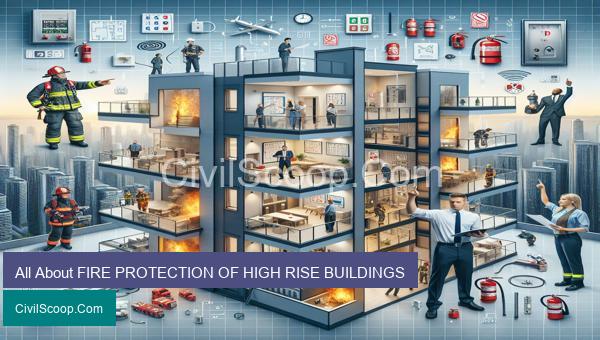
High rise buildings are a common sight in modern cities, serving as iconic landmarks and major centers of commerce, residence, and recreation. These towering structures provide a plethora of benefits, but they also present unique challenges when it comes to fire safety. The massive scale and complex design of high rise buildings require specialized fire protection measures to ensure the safety of occupants and minimize property damage. In this article, we will explore the various aspects of fire protection in high rise buildings, including their unique risks, key regulations and standards, and effective strategies for prevention and response. By understanding the crucial role of fire protection in high rise buildings, we can better appreciate the necessary precautions and measures to ensure their continued safety and functionality.
Table of Contents
FIRE PROTECTION OF HIGH RISE BUILDINGS
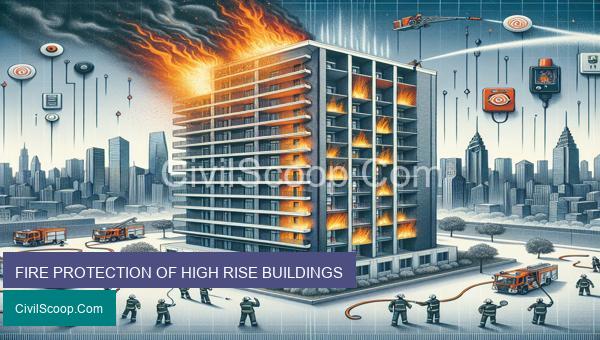
Fire protection of high rise buildings is a critical aspect of ensuring the safety of occupants and protecting the structure from potential damage. A high rise building is generally defined as a building with a height of 75 feet or more, often consisting of multiple floors and a large number of occupants. Due to the increased number of occupants and the complexity of these buildings, fire protection measures must be carefully planned, designed, and implemented.
The primary objective of fire protection in high rise buildings is to prevent or limit the spread of fire and smoke within the structure, allowing occupants to safely evacuate and first responders to effectively combat the fire. This is achieved by employing a combination of active and passive fire protection measures.
Passive fire protection measures involve the use of building materials, design features, and construction techniques that prevent the spread of fire and smoke. This includes the use of fire-resistant materials, such as fire-rated walls, ceilings, and doors that can withstand exposure to fire for a certain amount of time. The layout and compartmentation of high rise buildings also play a crucial role in controlling fire and smoke spread by creating fire barriers and safe escape routes for occupants.
Active fire protection measures, on the other hand, are designed to detect and suppress a fire in its early stages. This includes the installation of automatic fire detection and alarm systems, which can quickly alert occupants and the fire department to the presence of a fire. High rise buildings are also equipped with automatic sprinkler systems, which can significantly reduce the spread of fire and provide occupants with additional time to evacuate.
In addition to these measures, high rise buildings may also have dedicated fire protection systems such as fire pumps, standpipes, and smoke control systems. These systems are specifically designed to address the unique challenges of a high rise building, such as increased water pressure needs and the need for effective smoke removal.
In order to ensure the effectiveness of fire protection measures in high rise buildings, regular inspections and maintenance are crucial. Building owners and facility managers must conduct routine checks on all fire protection systems and promptly address any issues or non-compliance. Regular fire drills and training for occupants can also help to increase their awareness and preparedness in the event of a fire.
In some cases, special considerations may need to be taken for high rise buildings located in areas prone to natural disasters, such as earthquakes or hurricanes. This may include additional structural reinforcements and the use of specialized fire protection systems.
In conclusion, the fire protection of high rise buildings is a complex and critical aspect of building design and construction. A combination of active and passive measures, backed by regular inspections and maintenance, is essential in ensuring the safety of occupants and the protection of the structure in the event of a fire.
Conclusion
In conclusion, the protection of high rise buildings from fire is a crucial aspect in ensuring the safety and well-being of its occupants. Design and construction, along with the installation of fire protection systems, play a crucial role in mitigating the potential risks of fire in these tall structures. By adhering to proper fire safety protocols and standards, we can create a secure environment for residents, workers, and visitors in high rise buildings. It is imperative for building owners, developers, and professionals in the construction industry to prioritize fire safety measures and continuously review and update them to ensure the fire protection of these buildings. With proper planning and implementation, we can minimize the threat of fire and ensure the safety of these iconic and often densely populated structures.