
Project management is an essential aspect of any organization’s success. It involves planning, organizing, and overseeing the completion of a project within a defined timeline and budget. With the ever-evolving business landscape, effective project management techniques have become crucial for companies to remain competitive and meet the demands and expectations of their stakeholders. In this article, we will delve into all aspects of project management, including its definition, key processes, methodologies, tools, and best practices. Whether you are new to project management or looking to enhance your skills, this comprehensive guide will provide insights and tips to help you achieve project success.
Table of Contents
PROJECT MANAGEMENT TERMS & DEFINITIONS
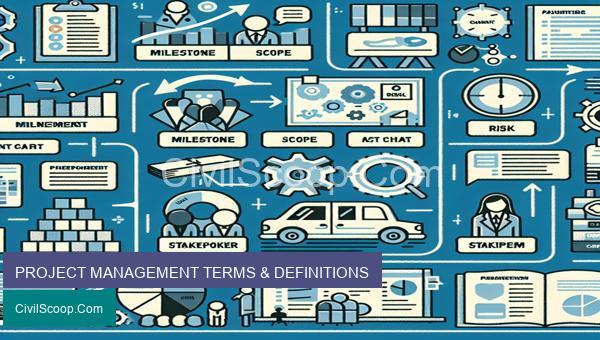
Project management is an essential part of any civil engineering project, as it involves the planning, coordination, execution, and monitoring of tasks to meet specific goals. It involves various terminologies that are used to describe different aspects of the project management process. Understanding these terms and their definitions is crucial for civil engineers to successfully execute projects. Here are some of the most common project management terms and their definitions.
1. Project Scope
Project scope refers to the defined boundaries of the work that needs to be completed to achieve the project’s objectives. It includes the project’s deliverables, features, functions, and tasks that are necessary to complete the project. The project scope helps in setting clear objectives and expectations for the project.
2. Work Breakdown Structure (WBS)
The work breakdown structure is a hierarchical breakdown of the project deliverables and tasks. It is a visual representation that divides the project into smaller, more manageable components, making it easier to plan and control the work. The WBS helps in identifying all the work required to complete the project and assign responsibilities to team members.
3. Project Planning
Project planning is the process of defining and documenting the project scope, objectives, tasks, deliverables, and timelines. It involves creating a detailed project plan that outlines the strategies and actions needed to complete the project successfully. Project planning is a critical phase as it sets the foundation for the entire project.
4. Project Schedule
The project schedule is a timeline that outlines when each task or deliverable needs to be completed to meet the project’s deadlines. It includes the estimated start and end dates for each task, milestones, and the overall project completion date. A well-defined project schedule helps in managing time efficiently and meeting project deadlines.
5. Project Budget
Project budget refers to the estimated cost of the project. It includes the cost of materials, labor, equipment, and any other expenses associated with the project. The project budget is an essential aspect of project management as it helps in controlling costs and ensuring that the project is financially feasible.
6. Risk Management
Risk management involves identifying, assessing, and managing potential risks that could affect the project’s progress and outcomes. It includes developing strategies to mitigate risks and having contingency plans in place if a risk were to occur. Effective risk management helps in minimizing the impact of unforeseen events on the project.
7. Project Monitoring and Control
Project monitoring and control involve tracking the project’s progress, identifying any deviations from the project plan, and taking corrective actions if necessary. It also involves regular communication between team members, stakeholders, and project managers to ensure that the project is on track.
8. Quality Management
Quality management refers to the processes and methods used to ensure that the project’s deliverables meet the necessary quality standards. It involves defining quality standards, performing quality checks, and making improvements to the project’s processes and deliverables to meet those standards.
9. Stakeholder Management
Stakeholder management involves identifying and managing the people or groups who have a vested interest in the project’s success. It includes identifying their needs and expectations and communicating with them throughout the project to ensure their satisfaction.
10. Project Closure
Project closure is the final phase of project management and involves documenting the project’s outcomes, conducting a project review, and releasing resources. It also includes handing over the completed project to the client and obtaining their feedback for future projects.
In conclusion, understanding project management terms and their definitions is crucial for civil engineers to successfully manage projects. These terms help
Conclusion
In conclusion, project management is a crucial aspect of any successful business or organization. It involves planning, organizing, and effectively managing resources to achieve specific goals and objectives within a given time frame. With the increasing complexity of projects and the need for efficient use of resources, project management has become an integral part of modern-day businesses. By following the principles and best practices of project management, teams can improve their productivity, meet deadlines, and deliver quality results. With the continuous advancements in technology, project management is only going to become more critical in the future. Therefore, it is essential for individuals and organizations to understand and embrace the concepts of project management to ensure success in their endeavors.