Table of Contents
All About Fire Resistance Rating (FRR) in Construction
Fire resistance rating (FRR) is a crucial aspect of building design and construction. As the risk of fire is a constant threat to any structure, it is important to understand the concept of FRR and its significance in ensuring the safety and stability of buildings. In this article, we will delve into all aspects of FRR in construction, including its definition, how it is measured, and the importance of complying with strict FRR regulations. By the end, readers will have a comprehensive understanding of FRR and its role in promoting fire safety in the construction industry.
What is Fire Resistance Rating (FRR) in Construction?
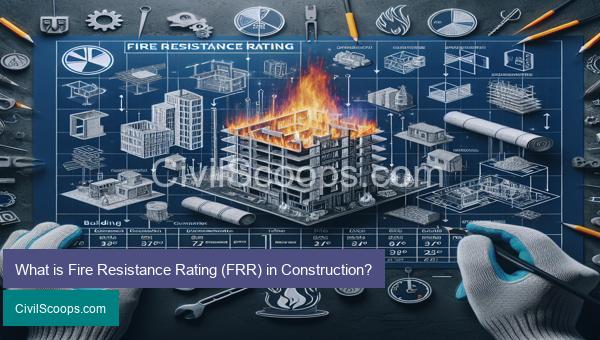
Fire resistance rating (FRR) is a measure of a material, component, or assembly’s ability to withstand fire and prevent the spread of fire for a specific period of time. It is an important factor in building construction, as it plays a critical role in protecting both life and property in the event of a fire.
In the construction industry, fire resistance rating is often referred to as the fire rating or fire protection rating. It is a standardized measure that indicates the time duration during which a structural element can withstand the effects of a fire before its integrity is compromised. The rating is typically expressed in terms of time, such as 30 minutes, one hour, two hours, etc.
FRR is determined by subjecting a material, component, or assembly to a standardized fire test, following internationally recognized standards and protocols. The test simulates a real-life fire scenario and measures how long the material or element can resist the fire and maintain its structural stability and integrity. The results of the test are used to assign a specific fire resistance rating to the material or element.
The purpose of FRR is to provide adequate time for occupants to evacuate the building safely without being exposed to the harmful effects of a fire. It also allows for enough time for the fire department to arrive and contain the fire. In addition, it helps to prevent the spread of a fire to other parts of the building or structure, reducing damage and loss of life.
Fire resistance is a key consideration in the design of buildings, especially in high-rise structures and buildings with complex fire-protection systems. Different building elements, such as walls, floors, doors, and windows, may have different FRRs based on their functional requirements and potential fire load.
In general, materials with higher fire resistance ratings are made of non-combustible materials, such as concrete, steel, or masonry. These materials do not easily catch fire and can withstand high temperatures without losing their structural integrity. On the other hand, materials with lower FRRs are typically made of combustible materials, such as wood or insulation materials, and can only resist fire for a limited amount of time before breaking down and contributing to the fire.
In addition to fire resistance ratings for individual building elements, buildings as a whole may also have an overall fire resistance rating. This rating considers the combined effect of all the individual elements and systems in a building in terms of their fire resistance, fire separation distance, and fire suppression systems.
In conclusion, fire resistance rating is a crucial factor in building construction and design. It ensures the safety of occupants and reduces the risk of damage and loss of property in the event of a fire. As a civil engineer, it is important to understand and comply with fire resistance requirements in building design and construction to create safer and more resilient structures.
Features of Fire Resistance Ratings (FRR)
Fire resistance ratings (FRR) are a measure of a material or structural element’s ability to withstand fire exposure for a specified amount of time.
1. Time duration: The most important feature of FRR is the time duration that a material or element can resist fire. This is usually measured in hours, such as 1 hour, 2 hours, or 3 hours.
2. Heat transfer resistance: FRR reflects the ability of a material or element to slow down the transfer of heat from one side to the other. This is important in preventing the spread of fire through a building.
3. Structural integrity: Another important aspect of FRR is its ability to maintain structural integrity during a fire. This means that the material or element should not collapse or fail under the influence of fire.
4. Protection of building occupants: FRR also takes into consideration the protection of building occupants. This includes factors such as limiting the spread of smoke, toxicity of fumes, and structural stability for evacuation.
5. Testing standards: FRR is determined through standardized tests, such as the ASTM E119 or UL 263. These tests subject the material or element to a real fire scenario and determine its ability to resist fire and maintain structural integrity.
6. Materials and systems: FRR can be applied to different types of materials, including concrete, steel, wood, and gypsum board. It can also be applied to different building systems, such as walls, floors, roofs, and doors.
7. Compliance with building codes: In most countries, building codes require certain FRR for different elements of a building. This ensures that buildings are constructed with materials and systems that can withstand fire and protect occupants in case of an emergency.
8. Maintenance and inspection: FRR can change over time due to factors like wear and tear, moisture, and temperature changes. Regular maintenance and inspections are crucial to ensure that the building remains compliant with FRR requirements.
In conclusion, fire resistance ratings are an essential aspect of building design and construction, ensuring the safety and protection of building occupants in case of fire. It is important for civil engineers to carefully consider FRR when designing structures to prevent fire incidents and limit its potential damage.
How is Fire Resistance Rating (FRR) in Construction measured?
The Fire Resistance Rating (FRR) is a crucial aspect in building construction as it helps to determine the ability of a structure to resist the spread of fire. Essentially, it is a measure of how long a building element can withstand the effects of fire before it fails. This rating is crucial in ensuring the safety of occupants and mitigating the potential damage to the structure and its contents.
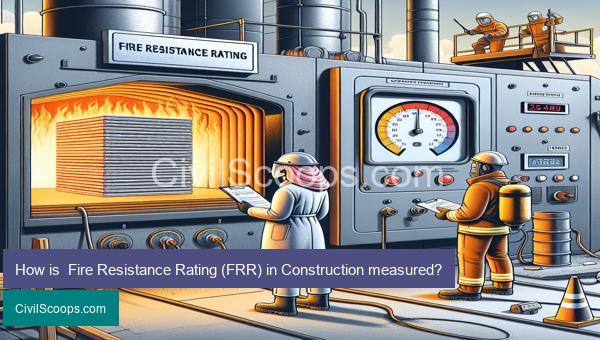
Fire Resistance Rating is measured in terms of time, typically in hours, and is determined through a series of fire tests conducted on building materials and components. These tests are carried out in specialized laboratories where controlled heat and pressure conditions are created to simulate a fire scenario. The results of these tests are then used to determine the FRR of a specific material or element.
The measurement of FRR is based on three main factors: fire endurance, thermal insulation, and integrity. Here is a closer look at each of these aspects and how they contribute to the overall FRR.
1. Fire Endurance: This refers to the time duration during which a material or element can withstand the effects of fire without collapsing or losing its structural integrity. It is an important factor in determining the overall FRR, as the longer a material can withstand fire, the higher its rating will be.
2. Thermal Insulation: This factor refers to the ability of a material to prevent heat transfer from one side to the other. It is crucial in preventing the fire from spreading to other parts of the building. Materials with good thermal insulation properties have a higher FRR as they can slow down the spread of fire to other areas.
3. Integrity: This is the measure of a material’s ability to maintain its structural stability and prevent the passage of flames or hot gases through it. Materials that maintain their structural integrity during fire have a higher FRR as they can effectively contain the fire and prevent it from spreading.
Based on these factors, the overall FRR of a building element is determined by the lowest individual rating among the three. For instance, if a material has a fire endurance of 3 hours, thermal insulation of 2 hours, and integrity of 1 hour, then the overall FRR for that material will be 1 hour.
The Fire Resistance Rating is an essential consideration in the design and construction of buildings, especially in high-rise structures, as it helps to prevent the rapid spread of fire and allows occupants enough time to evacuate safely. Building codes and regulations specify the minimum FRR required for each building element, and it is the responsibility of architects and engineers to ensure that these standards are met.
In conclusion, the Fire Resistance Rating is a crucial aspect of building construction that is measured through specialized fire tests. A higher FRR indicates a longer fire resistance capability, thus ensuring the safety of occupants and minimizing property damage in the event of a fire. As a civil engineer, understanding and accurately determining the FRR of building materials and elements is essential in creating safe and resilient structures.
Advantages of Fire Resistance Rating (FRR) in Construction
Fire resistance rating (FRR) refers to the time period in which a structural element of a building can withstand fire before it fails or collapses. This measure is important in construction as it provides vital protection to the building and its occupants in case of a fire. Here are some advantages of having a high FRR in construction:
1. Enhanced Safety: The primary advantage of having a high FRR is the increased safety it provides to the building and its occupants. In the event of a fire, it allows more time for the occupants to evacuate the building safely. It also gives more time for firefighters to respond and extinguish the fire before it spreads to other areas of the building.
2. Reduced Property Damage: A high FRR can significantly reduce property damage in case of a fire. It helps to contain the fire within a specific area of the building, preventing it from spreading to other parts of the building. This containment not only protects the building structure but also important equipment, documents, and other valuable items.
3. Compliance with Building Codes: Most building codes have specific requirements for FRR which must be met during construction. By complying with these codes, the building is designed and built to withstand fire for a specific period of time. This not only ensures the safety of occupants but also avoids fines and penalties for non-compliance.
4. Lower Insurance Premiums: Insurance companies often offer discounts for buildings with a high FRR. This is because a high FRR reduces the risk of property damage and loss, hence reducing the potential insurance claims. This can result in significant cost savings for building owners in the long run.
5. Longer Evacuation Time: The higher the FRR, the more time occupants have to evacuate the building in case of a fire. This is especially beneficial in large or complex buildings where it may take longer to reach the exit. It also allows disabled individuals or those with mobility issues to safely evacuate the building.
6. Protection of Structural Integrity: Fire can significantly weaken the structural integrity of a building, leading to collapse and further damage. A high FRR helps to preserve the structural integrity of the building by preventing the fire from spreading and weakening the structural elements.
7. Longer Fire Resistance of Building Materials: Building materials with a high FRR perform better under extreme heat conditions. They can withstand high temperatures for longer periods of time before failing, providing more time for evacuation and firefighting efforts.
In conclusion, a high FRR is a crucial aspect of building construction that provides multiple benefits. It not only ensures the safety of occupants but also reduces property damage, complies with building codes, and leads to cost savings. It is essential for all buildings to be designed and constructed with a high FRR to prevent and mitigate the devastating effects of fire.
Disadvantages of Fire Resistance Rating (FRR) in Construction
Fire resistance rating (FRR) refers to the amount of time that a building component, such as a wall or floor, can withstand exposure to fire before it fails. While building codes require certain FRRs to ensure the safety of occupants, there are also disadvantages to using FRRs in construction. In this article, we will discuss the disadvantages of FRR and its impact on building design and construction.
1. Cost implication: One of the major disadvantages of FRR in construction is the additional cost associated with it. Materials with higher fire resistance ratings are often more expensive, which can significantly increase the overall construction cost. This can be a major constraint for budget-conscious clients, making it challenging to implement high FRRs in their projects.
2. Limited design options: FRR often limits the design options available to architects and engineers. For instance, materials with high FRRs may have limitations in terms of size, shape, and aesthetics, restricting the creativity and flexibility in building design. This can pose a challenge in achieving the desired architectural vision of a project.
3. Construction timeline: Meeting the required FRRs can also prolong the construction timeline. The use of specialized materials and techniques to achieve high FRRs can result in longer construction times, leading to delays in project completion. This can also impact the project budget and cause inconvenience to the client.
4. Maintenance and repair costs: Higher FRR materials and components may also require specialized maintenance and repair, which can be costly and time-consuming. This can add to the overall maintenance costs of the building, making it more expensive to upkeep in the long run.
5. Thermal insulation: Materials with high FRRs also have high thermal insulation properties, which can be a disadvantage in some situations. In regions with hotter climates, high thermal insulation can restrict heat dissipation, leading to discomfort for building occupants and increased energy consumption for cooling.
6. Environmental impact: Many materials with high FRRs are synthetic and non-biodegradable, contributing to the growing environmental concerns. The production, use, and disposal of these materials have a significant impact on the environment, adding to the carbon footprint of the building.
7. Difficulty in renovations: High FRRs can also pose challenges during building renovations. Materials with high FRRs may be harder to remove and replace, which can make it more challenging to modify or renovate a building in the future.
In conclusion, while fire resistance rating is essential for ensuring the safety of building occupants, it also has several disadvantages. Therefore, it is crucial to strike a balance between achieving the required FRR and the practicality and cost-effectiveness of the building design. This can be achieved through careful consideration and collaboration between the design team, client, and local authorities.
Applicatio of Fire Resistance Rating (FRR) in Construction
Fire safety is a crucial aspect that needs to be considered in the construction of any building. In order to ensure the safety of occupants and prevent the spread of fire, fire resistance rating (FRR) is a critical factor that must be taken into account by civil engineers. FRR is the time period for which a material or assembly can withstand fire before failure, based on standard fire conditions.
The application of FRR is primarily focused on the design and construction of walls, floors, and other structural elements in a building. The FRR of these elements is determined based on the fire hazards in the building, the building’s occupancy type, and the building’s height.
The main purpose of FRR is to slow down the spread of fire and protect the structural integrity of the building. FRR helps to contain the fire within a specific area of the building, giving occupants enough time to evacuate safely and for firefighters to control the fire. In the case of multi-story buildings, fire-rated walls and floors can also prevent the collapse of the entire building.
In addition to structural elements, FRR is also applied to fire-rated doors and windows. These components act as fire barriers and prevent the spread of fire and smoke to other areas of the building. Fire-rated doors also provide an emergency escape route for occupants in case of fire.
When designing a building, civil engineers must ensure that the materials used have the required FRR based on the building’s regulations and codes. The materials must also be installed according to the manufacturer’s instructions and tested by a certified laboratory to ensure their FRR. In addition, regular maintenance and inspections of fire-rated components are essential to ensure their effectiveness.
FRR is also crucial in the renovation or retrofitting of existing buildings. In such cases, civil engineers need to evaluate the existing FRR of the building and determine if any modifications are required to improve its fire safety.
In some cases, fire-rated coatings or paints are applied to building materials to increase their FRR. These coatings act as an additional layer of protection and can improve the fire resistance of building elements such as steel beams and columns.
In conclusion, the application of FRR is crucial in the construction of buildings to ensure the safety of occupants and prevent the spread of fire. Civil engineers play a critical role in designing and constructing fire-resistant buildings by incorporating the required FRR into their design and ensuring that materials and components meet the necessary standards.
Conclusion
In conclusion, understanding the fire resistance rating (FRR) in construction is crucial for building safety and compliance with building codes. By knowing the different types of materials and their FRR, architects and builders can make informed decisions to ensure the structural integrity of a building in the event of a fire. It is also important for building owners to regularly maintain and inspect the fire protection systems to ensure they are functioning properly. With advanced technology and building practices, the fire resistance rating has become an essential aspect of modern construction, making buildings safer and more resilient against fire hazards. By continuously staying updated and educated on FRR, we can work towards creating a safer environment for ourselves and future generations.