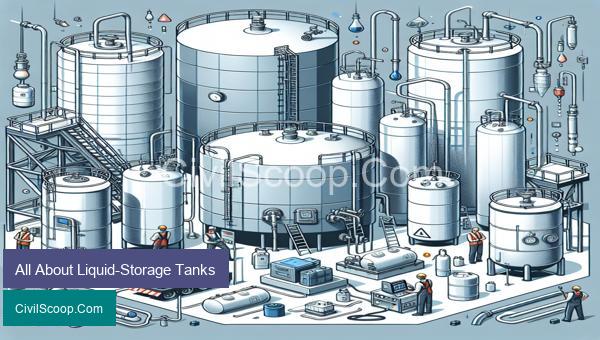
Liquid-storage tanks are essential structures used to safely store large quantities of liquids such as water, chemicals, or fuels. These tanks come in various shapes, sizes, and materials, and serve a crucial role in a wide range of industries, including agriculture, manufacturing, and construction. In this article, we will explore everything you need to know about liquid-storage tanks, including their types, features, maintenance, and important considerations when choosing and using them. Whether you are a business owner, engineer, or simply interested in understanding the importance of liquid-storage tanks, this article will provide valuable insights into these versatile structures.
Table of Contents
Seismic Analysis of Liquid-Storage Tanks
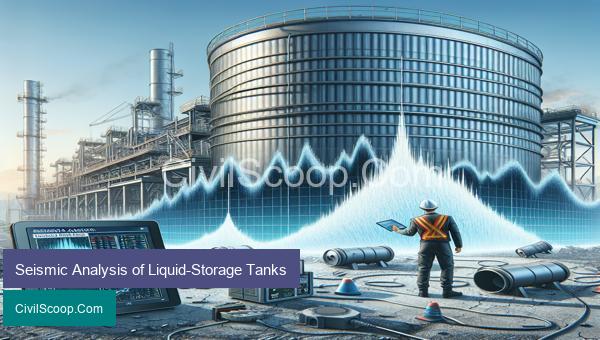
Seismic analysis of liquid storage tanks is essential in order to ensure their safety and prevent catastrophic failures during earthquakes. Liquid storage tanks are large structures used for the storage of different types of liquids, such as water, oil, and chemicals. These tanks are subjected to various types of loads, including seismic loads, during their operation. Therefore, it is crucial to conduct thorough seismic analysis to evaluate the structural response and performance of these tanks under different seismic conditions.
The main objective of seismic analysis is to assess the effects of seismic forces on the tank structure and its contents. This analysis helps in identifying potential weaknesses and vulnerabilities in the tank design, as well as determining the required modifications to enhance its seismic resistance.
The analysis process involves evaluating the forces and motions acting on the tank structure and its contents during an earthquake. These forces can be categorized as horizontal and vertical forces. The horizontal forces include the seismic wave-induced inertial forces, while the vertical forces are due to the weight of the tank and its contents. The magnitude of these forces is determined based on the location of the tank, the type of soil on which it is built, and the intensity of the earthquake.
The first step in the seismic analysis of a liquid storage tank is to determine the design spectrum – a plot of the expected response of a structure to different ground motion amplitudes. The design spectrum is based on the site-specific seismic hazard information and takes into account the characteristics of the tank, such as its height, shape, and material properties. The seismic forces acting on the tank are then calculated using this design spectrum, and the structural response of the tank is evaluated.
One of the critical aspects of seismic analysis is the evaluation of the tank’s foundation system. The foundation is the interface between the tank and the ground, and it plays a crucial role in transferring the seismic forces to the ground. Therefore, it is essential to ensure that the foundation is well-designed and adequately supported to withstand the seismic forces.
Another important factor to consider in the seismic analysis of liquid storage tanks is the sloshing effects of the liquid inside the tank. Sloshing refers to the movement of the liquid inside the tank due to seismic forces, and it can significantly impact the overall stability of the structure. To account for sloshing effects, dynamic analysis techniques, such as finite element analysis or time-history analysis, are used.
Once the seismic analysis is completed, the results are compared with the design criteria and standards to determine if the tank meets the required safety levels. If any vulnerabilities are identified, necessary modifications, such as strengthening the tank’s structural components or increasing the foundation’s stability, are recommended to improve its seismic resistance.
In conclusion, seismic analysis of liquid storage tanks is a critical step in ensuring their safety and minimizing the risk of failure during earthquakes. With the increasing frequency and intensity of earthquakes globally, it is essential to conduct thorough seismic analysis to evaluate the performance of these structures and protect both the environment and human life.
Conclusion
In conclusion, liquid-storage tanks play an important role in a variety of industries and applications. These versatile containers offer efficient and cost-effective solutions for storing and transporting liquids of different types and volumes. With various types, materials, and features available, there is a liquid-storage tank suitable for every specific need and requirement. However, it is crucial to properly design, install, and maintain these tanks to ensure safe and efficient operations. As technology continues to advance, the future of liquid-storage tanks looks promising, with innovations such as remote monitoring and improved materials making them even more reliable and efficient. Overall, understanding the different aspects of liquid-storage tanks is crucial for those working in industries that rely on the safe and secure storage of liquids, ensuring that these essential containers